
How to Avoid Common Defects in Metal Forged Parts? A Practical Guide
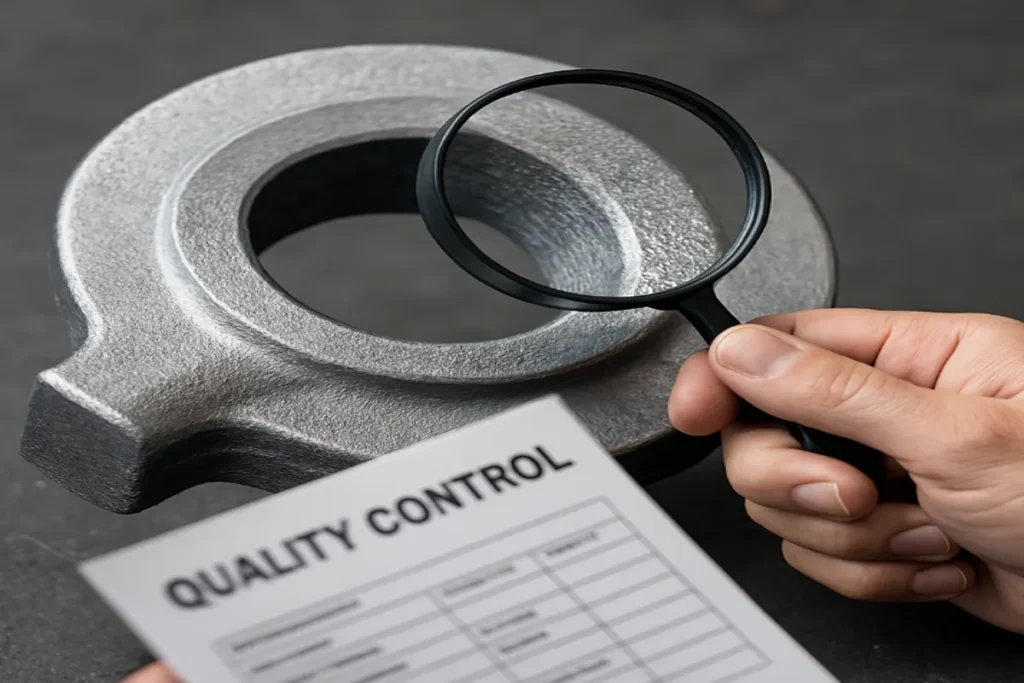
Defective forged parts cost manufacturers millions in recalls, rework, and reputational damage—yet most flaws are preventable with the right process controls. Common forging defects—cracks, laps, cold shuts, and porosity—often stem from poor die design, incorrect material prep, or improper temperature control, but rigorous QA checks and optimized forging parameters can eliminate 90% of these issues. […]
Forged Parts in Automotive: Performance, Safety, & Cost
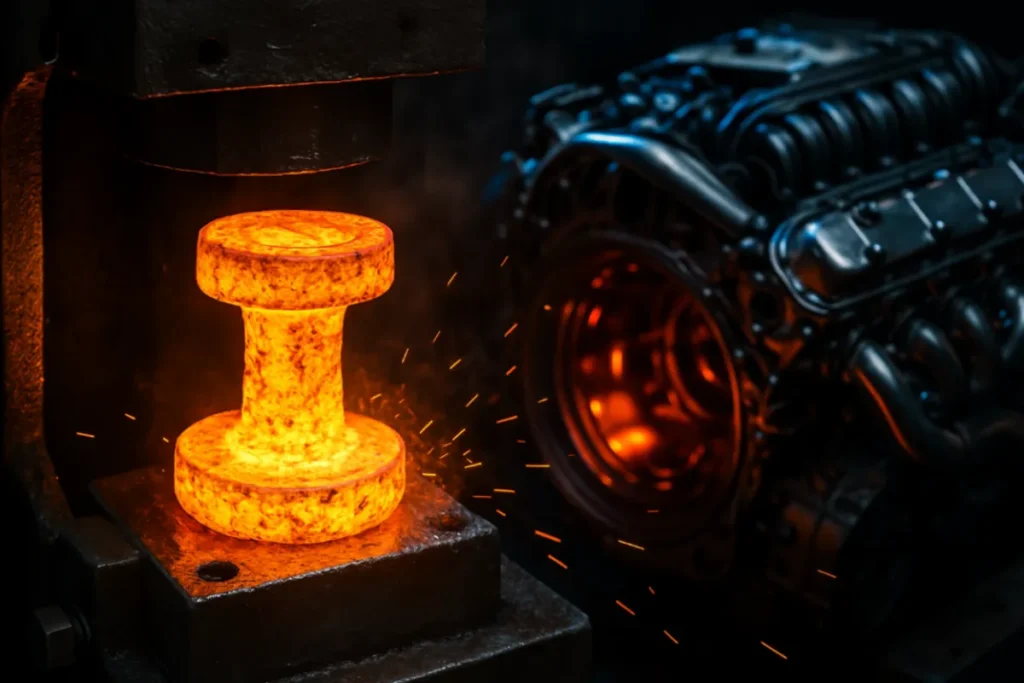
The automotive industry relies on forged parts for critical safety and performance components—strength, durability, and precision matter more than ever. Forged automotive parts offer superior fatigue resistance, weight savings, and reliability over cast alternatives—key for powertrains, suspensions, and safety systems in modern vehicles where failure is not an option. At Prime Manufacturing, we’ve supplied high-precision […]
Choosing the Best Material for Forged Components: A Guide
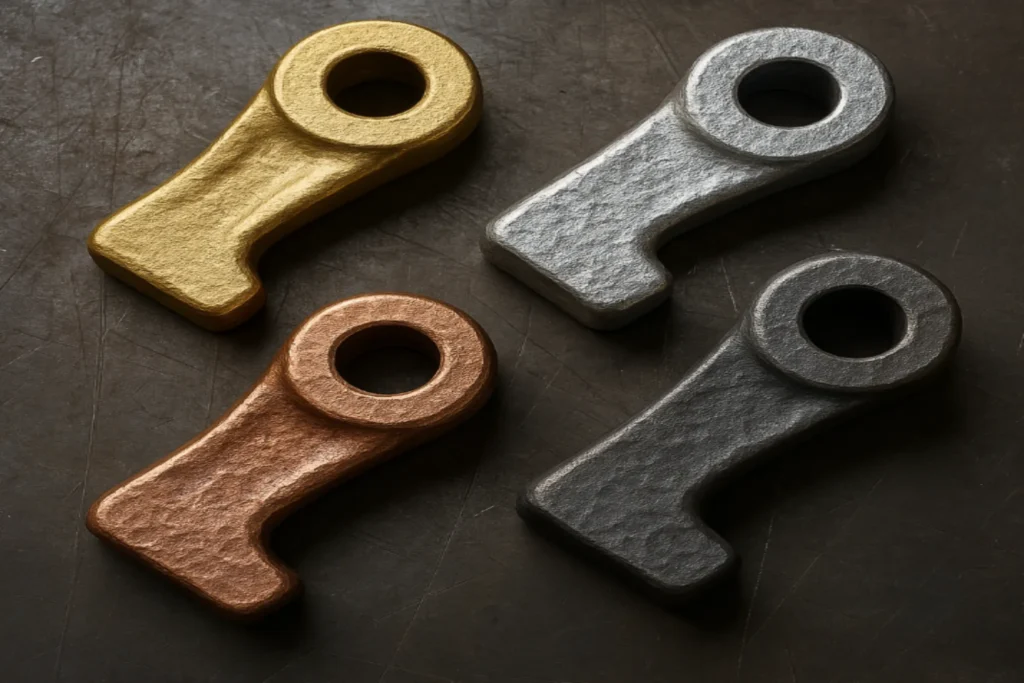
Choosing the best material for forged components requires balancing strength, cost, and application needs. The wrong metal can lead to premature failure, excessive machining costs, or poor performance—but how do manufacturers and buyers make the optimal selection? Carbon steel, alloy steel, stainless steel, aluminum, and titanium are the most common forging materials, each offering different […]
Common Problems in Metal Casting Parts—And How to Solve Them

Even the best casting processes sometimes produce flawed parts—causing leaks, fractures, or premature failures. Over 30 years in metal casting, we’ve fixed thousands of defective batches, saving clients from costly recalls and downtime. The 7 most common casting defects—porosity, shrinkage, cracks, misruns, inclusions, dimensional errors, and surface defects—stem from mold design, metal composition, pouring technique, […]
Metal Casting vs. Other Manufacturing Processes: A Guide
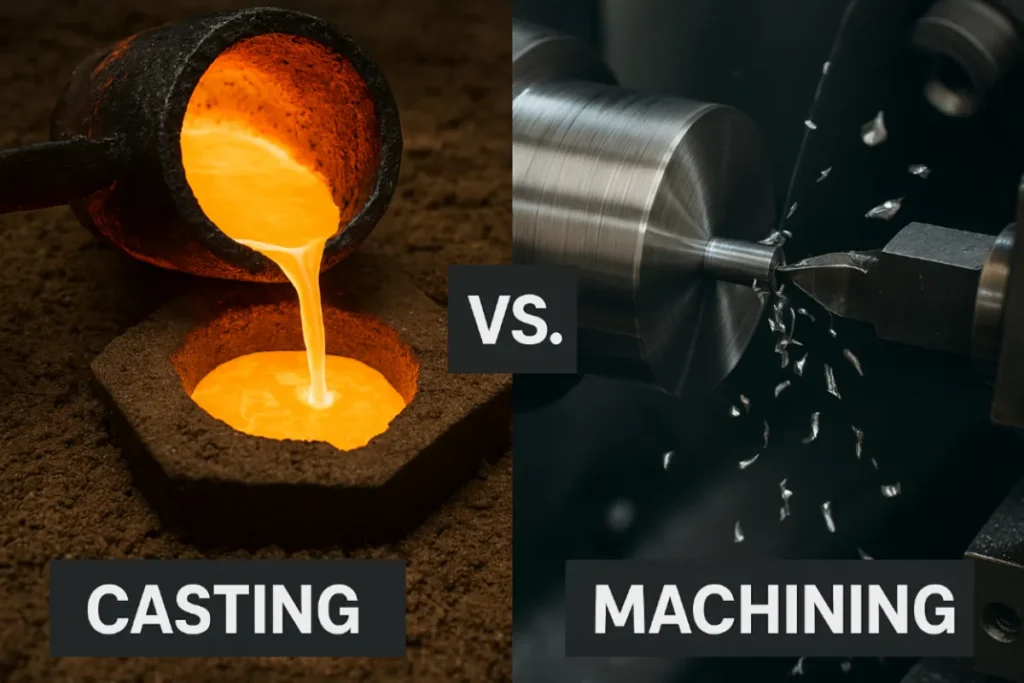
Choosing the right manufacturing process can save costs, improve quality, and speed up production—but picking the wrong one leads to wasted budgets, failed parts, and delays. With three decades in metal fabrication, we’ve seen clients lose thousands by using CNC machining when casting was the smarter choice (and vice versa!). Metal casting excels in complex, […]