Custom Metal Castings – Made Right Since 1993
Different types of metal casting processes
We’ve been producing custom metal castings since 1993. Our ISO-certified factory in China supplies sand cast, die cast, and investment cast parts to industrial clients in the U.S., Germany, Australia, and the Middle East — with full in-house CNC machining and inspection.
Table of Contents
Why Partner with Prime Custom Parts?
Full in-house production
Mold making → casting → CNC machining → surface finishing → packaging — all done in our own factory. No subcontracting.
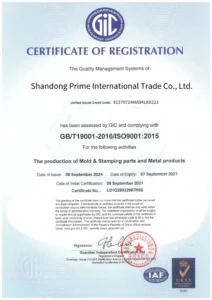
ISO 9001:2015 certified
Every batch is inspected using CMM, spectrometers, or X-ray testing as required by your specification.
30+ years of casting experience
Our team has produced over 10,000 custom castings and solved common issues like porosity, shrinkage, and dimensional tolerance drift.
Factory-direct pricing
As the manufacturer (not a trader), we eliminate middleman markups while maintaining consistent quality.
Fast response, clear timeline
Send your drawing — get a detailed quote and confirmed lead time within 24 hours.
Our Metal Casting Capabilities
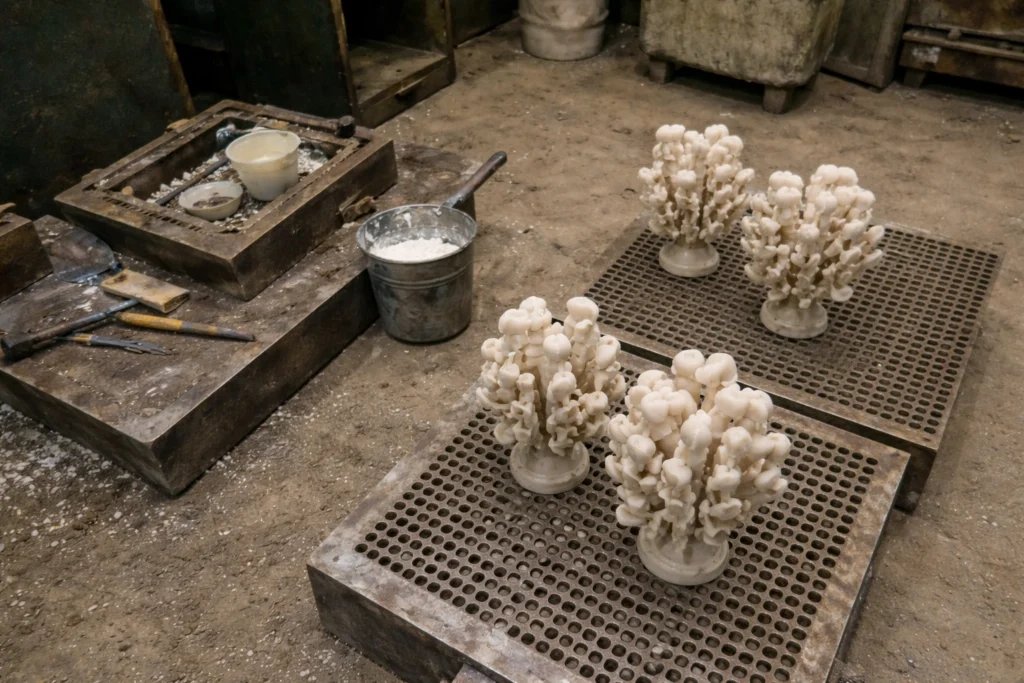
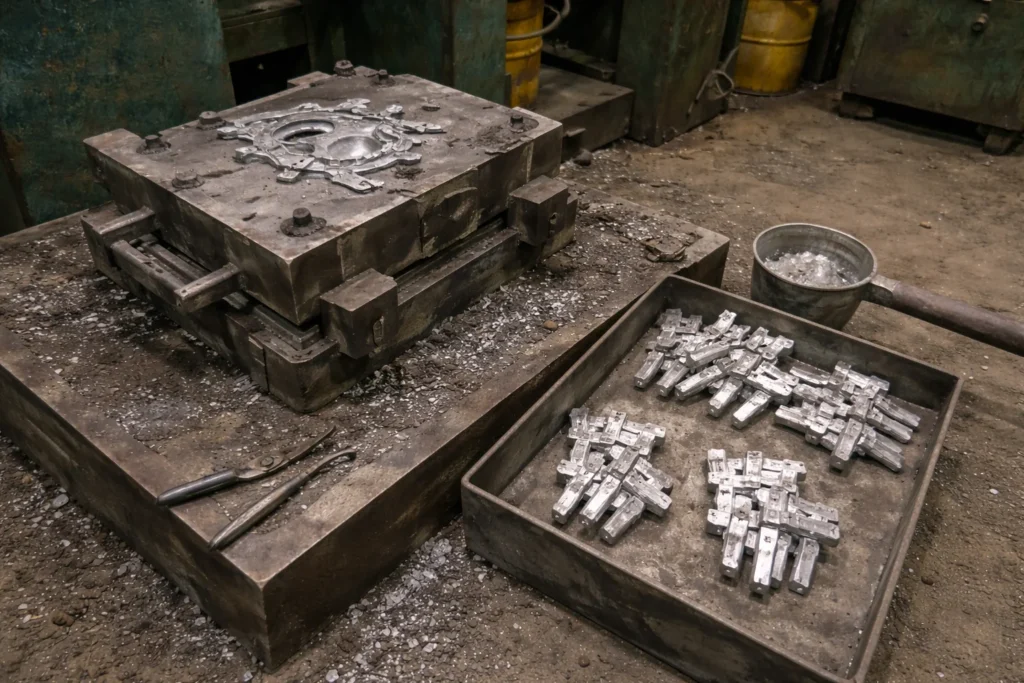
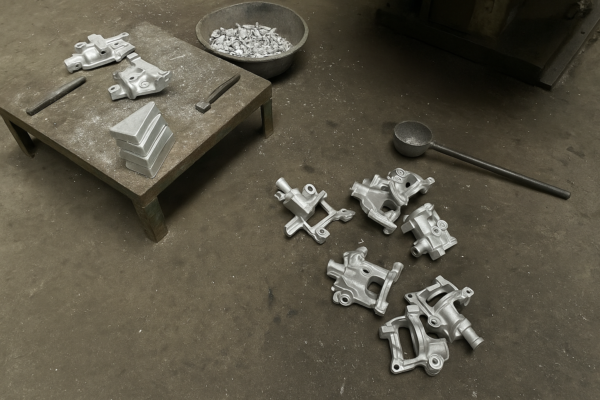
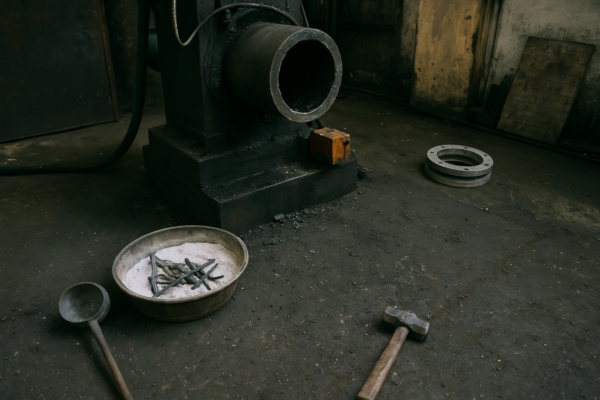
Castings can be divided into several main types according to different processes, and each process has different characteristics and application fields. The following are some common foundry processes and their characteristics and applications:
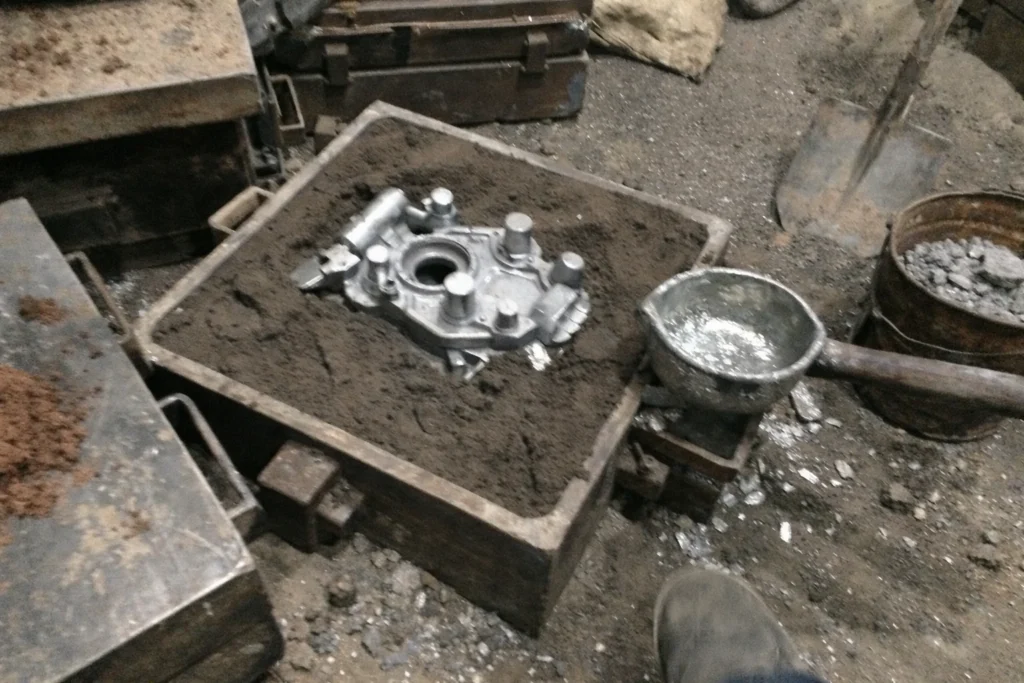
Sand Casting
Materials: Gray iron, ductile iron, carbon steel, aluminum, brass
Max part weight: Up to 500 kg
Typical applications: Pump housings, engine blocks, gearbox cases, machine frames
Investment Casting (Lost Wax)
Materials: Stainless steel (304, 316), carbon steel, alloy steel, brass
Max part weight: Up to 30 kg
Typical applications: Valve bodies, impellers, medical device components, aerospace fittings
Die Casting
Materials: Aluminum alloys (A380, ADC12), zinc alloys
Max part size: Up to 600 mm × 400 mm
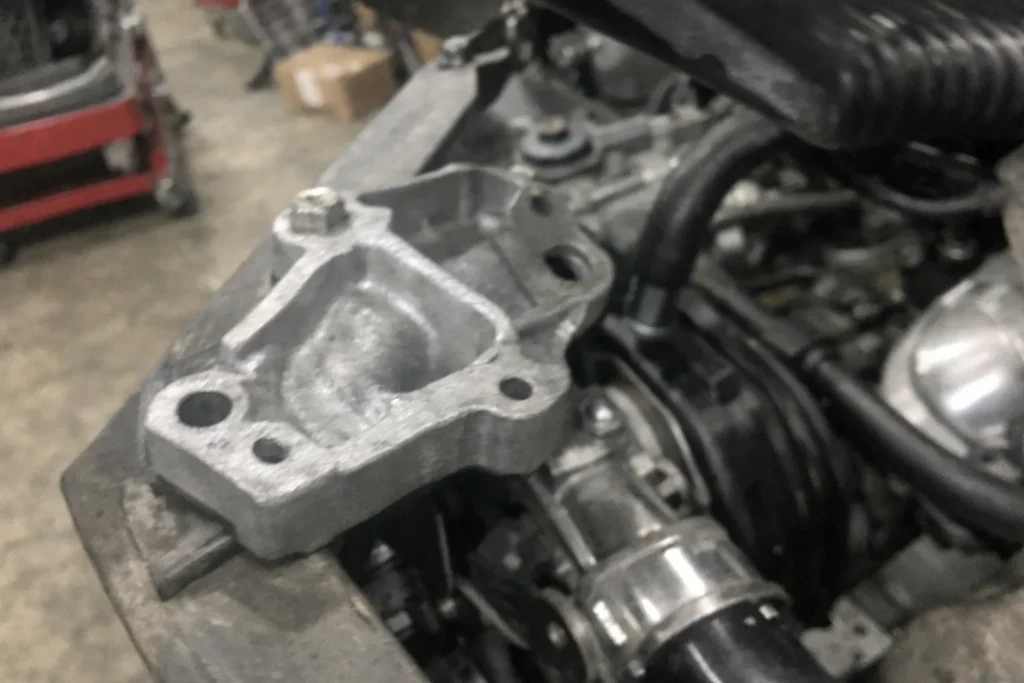
Typical applications: Motor housings, brackets, heat sinks, automotive sensor housings
Cast aluminum alloy
- Features:
- Aluminum alloy casting has good corrosion resistance and good mechanical properties, which is often used in castings that need to be lightweight.
- The production of aluminum alloy castings can be realized by sand casting and die casting.
Applications: mainly used in automotive, aerospace, electronics, electrical appliances, furniture and other fields.
Centrifugal Casting
Materials: Ductile iron, gray iron, stainless steel
Tube dimensions: Ø50–500 mm, length up to 3,000 mm
Typical applications: Rolls for paper mills, cylinder liners, industrial pipes
Metal Mold Casting (Permanent Mold)
Materials: Aluminum, bronze
Max part weight: Up to 50 kg
Typical applications: Compressor pistons, hydraulic manifolds, marine hardware
In Summary
These casting processes have their own characteristics and are suitable for different casting types and production requirements. For example, precision casting is suitable for high precision and small batch production, die casting is suitable for mass production lightweight aluminum alloy parts, and sand casting is suitable for the production of complex castings that do not require high precision. By selecting the appropriate casting process, the production efficiency can be improved, the cost can be reduced, and the demand for castings in different fields can be met.
Common Casting Materials and Their Applications
Gray Iron
Excellent vibration damping and compressive strength. Used in engine blocks, machine bases, and motor housings.
Ductile Iron
Stronger and more impact-resistant than gray iron. Common in automotive suspension parts, gears, and industrial valves.
Carbon Steel
Offers high toughness and fatigue strength. Preferred for structural components, agricultural machinery, and construction hardware.
Stainless Stee
Resistant to corrosion, heat, and chemicals. Widely used in pumps, impellers, marine parts, and medical components.
Aluminum Alloys
Lightweight and corrosion-resistant. Ideal for automotive housings, aerospace brackets, and heat sinks.
Brass and Bronze
Used in plumbing, marine applications, and electrical systems due to excellent machinability and corrosion resistance.
Industries We Proudly Serve
- Automotive: Engine blocks, transmission housings, suspension parts, brackets.
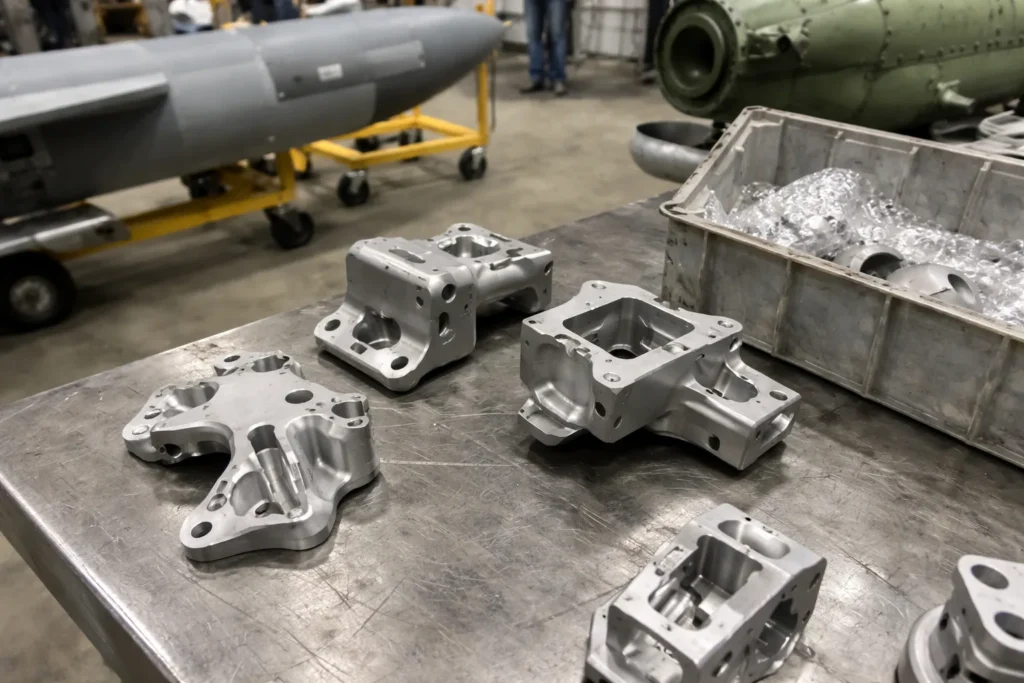
- Aerospace & Defense: Turbine blades, structural components, housings.
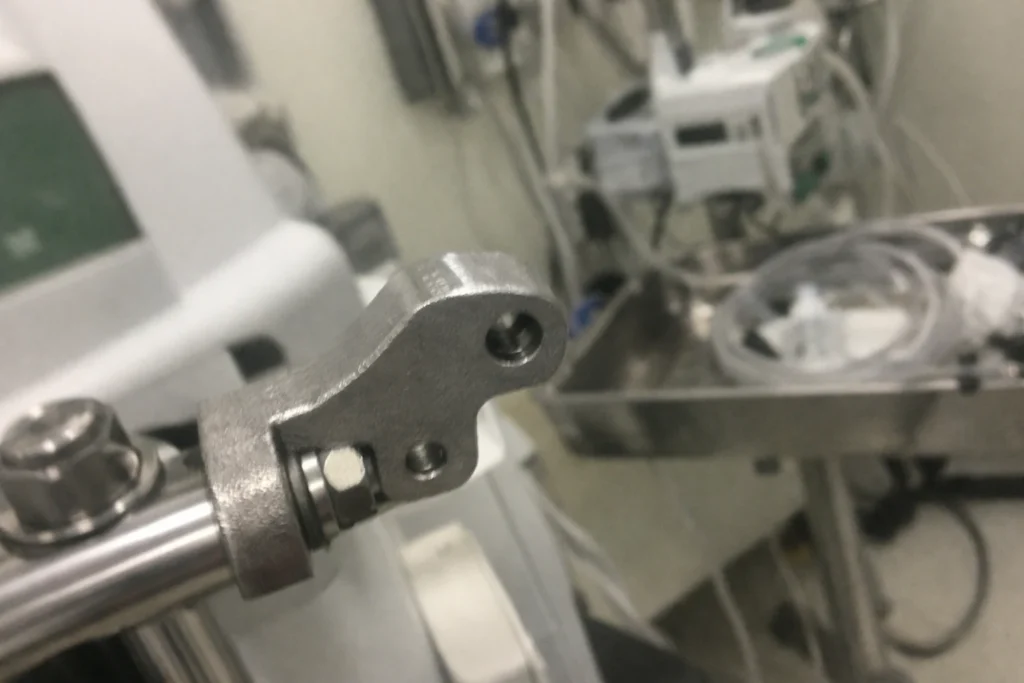
- Medical Devices: Surgical instruments, implantable components, diagnostic equipment housing.
- Industrial Machinery: Pump bodies, valve components, gearboxes, machine frames.
- Electronics: Heat sinks, connectors, enclosures, chassis.
- Energy: Turbine components, parts for oil & gas exploration.
The Process Flow & Duration Estimation
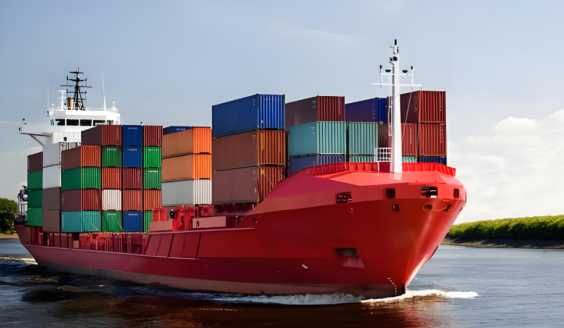
Please note that the final cost depends on the customized service you require, the specifications of the raw materials used, the relevant national laws, and the distance of transportation. Take the example of booking a tall container of products:
Step 1: Casting design & mold making
Casting design: Define geometry, tolerances, alloy grade, and shrinkage allowances based on application requirements.
Mold making: Build sand molds or permanent molds that can withstand pouring temperature and reproduce the casting accurately.
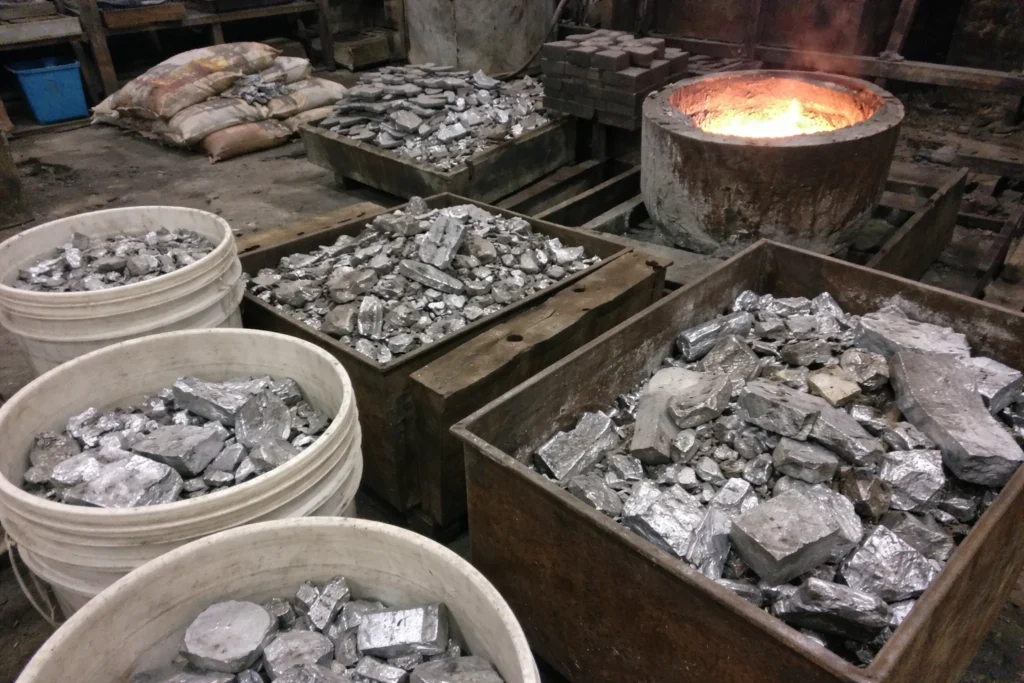
Step 2: Material selection & melting
Material selection: Choose the right alloy (iron, aluminum, steel, etc.) per performance and cost targets.
Melting: Melt charge materials in an induction/electric furnace, then adjust chemistry and remove slag as needed.
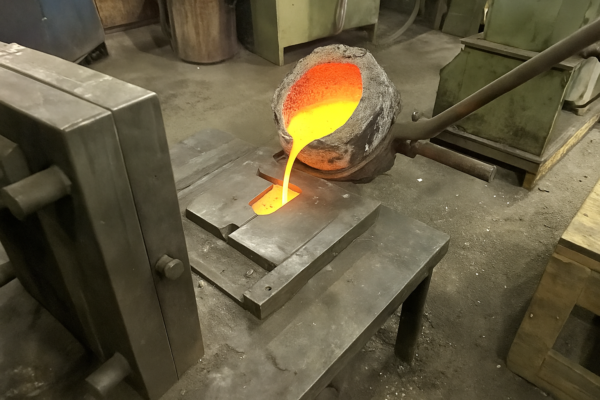
Step 3: Pouring
- Pouring control: Pour molten metal into the mold at the specified temperature and rate to reduce turbulence, gas entrapment, and defects.
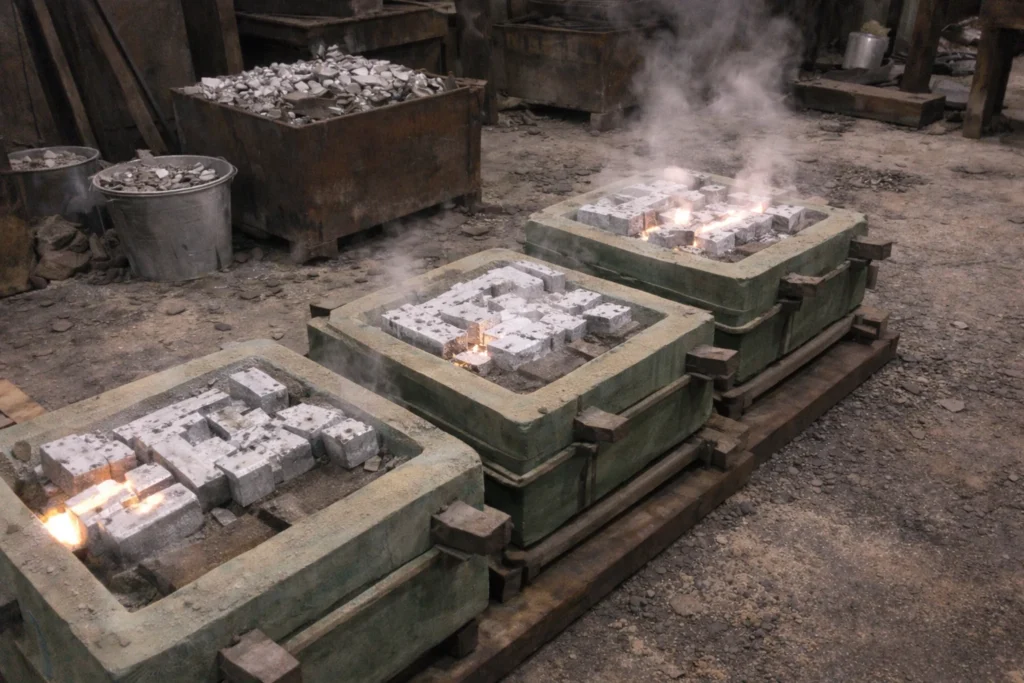
Step 4: Cooling & solidification
Controlled cooling: Allow the casting to solidify and cool in the mold for the required time window.
Solidification control: Manage feeding and cooling to reduce shrinkage, hot spots, and internal porosity risks.
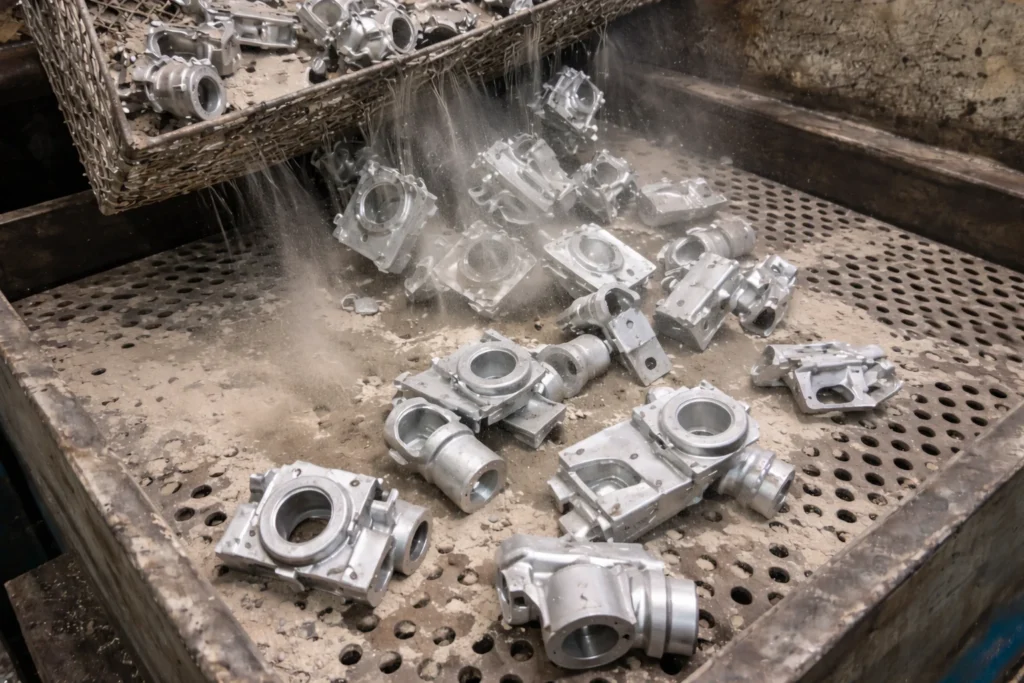
Step 5: Shakeout (demolding) & cleaning
Demolding: Remove the cooled casting from the mold (shakeout for sand casting; mechanical ejection for permanent molds).
Cleaning: Remove gates/risers, deburr edges, and clean surfaces via grinding, shot blasting, or sandblasting.
Step 6: Inspection & post-processing
Inspection: Verify dimensions and surface condition; apply NDT if required (e.g., X-ray, dye penetrant).
Post-processing: Heat treat, machine critical features, or apply surface finishing per spec.
Step 7: Packaging & delivery
Packaging: After final inspection, qualified castings are protected and packed to prevent transport damage.
Delivery: Ship per Incoterms and delivery schedule to meet customer on-time requirements.
Surface Cleaning for Custom Casting Parts
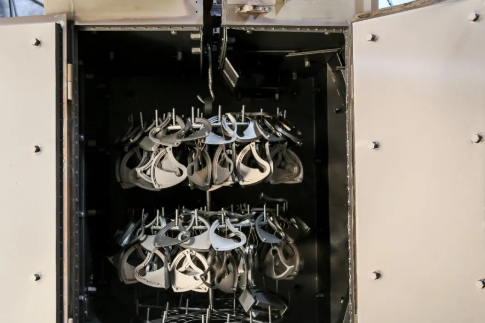
After pouring and shakeout, castings need controlled cleaning to remove sand, scale, and residues—without damaging critical surfaces. PRIME uses repeatable, inspection-friendly cleaning methods to prepare parts for machining, coating, or direct assembly.
- Shakeout & sand removal: Controlled knock-out and media handling to prevent embedded grit.
- Shot blasting / sand blasting: Uniform surface profile for better coating adhesion.
- Grinding & gate removal: Clean parting lines, gates, and risers with burr control.
- Deburring & edge conditioning: Safer edges, stable fit-up, and consistent appearance.
- Final wash & drying: Oil/dust removal before packing, machining, or painting.
Need a cleaning method recommendation?
Send your drawing + surface requirement (Ra, coating, or machining allowance). We’ll suggest a cleaning route and inspection points for stable batches.
Our Work: A Glimpse into Our Capabilities
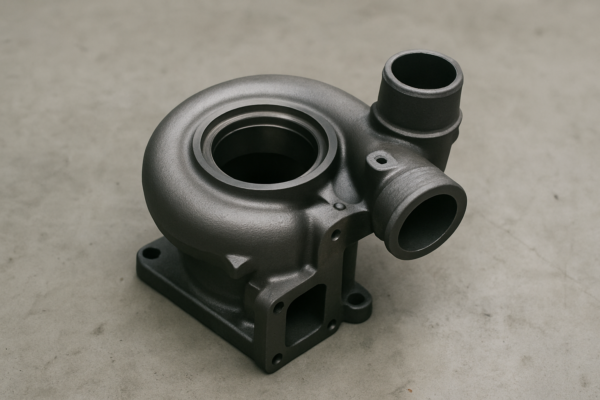
- Project: Automotive Turbocharger Housing
- Material: Heat-Resistant Steel Alloy (e.g., Inconel)
- Process: Investment Casting + 5-Axis CNC Machining
- Highlight: Delivered a lightweight, durable housing with excellent heat dissipation and EMI shielding properties, ready for final assembly.
- Project: Aluminum Electronic Enclosure
- Material: ADC12 Aluminum Alloy
- Process: High-Pressure Die Casting + Powder Coating
- Highlight: Delivered a lightweight, durable housing with excellent heat dissipation and EMI shielding properties, ready for final assembly.
Case Study: Reducing Cost and Weight with Aluminum Casting
- 36% weight reduction
- Improved corrosion resistance
- 40% lower fabrication cost
- Simplified assembly process
Production scaled to 30,000 units/year with consistent dimensional tolerances and >98% yield rate.
Advantages of Metal Casting
Complex Geometry
Casting allows the formation of parts with undercuts, internal passages, and intricate curves without expensive machining.
Cost-Effective for Large Volumes
Once molds are made, casting parts can be produced at low per-unit costs, especially in sand and die casting.
Material Flexibility
From iron to nickel alloys, casting supports a wide range of metals and alloys for diverse mechanical and thermal requirements.
How to Choose the Right Casting Parts Supplier
When choosing your casting parts manufacturer, you need more than just a low price. Here’s what top industrial buyers look for:
Technical Expertise
Does the supplier offer casting process selection support, CAD/CAM design, and simulation?
Production Capacity
Can the factory handle your volume — whether prototyping or high-volume production?
Quality Control
Look for ISO 9001 certification, in-house inspection tools (CMM, spectrometer, X-ray), and traceability?
Packaging & Delivery
Are the parts properly packed for international shipping? Can they deliver on time, globally?
Cost Transparency
Are you receiving competitive pricing based on accurate material and process quotes?
Strict quality checks
Whether the quality inspection of each stage is carried out strictly according to the standard ?
Here are the top questions from global buyers when evaluating a casting parts supplier:
By addressing these concerns, a trusted casting partner becomes a long-term strategic supplier.
- Can you meet my mechanical requirements (tensile strength, hardness)?
- What is the typical lead time for mold development and first sample?
- Do you provide machining, heat treatment, and surface finishing?
- Are certifications and test reports included with shipments?
- What is your standard packaging for international transport?
- How do you handle design changes or engineering feedback?
Your Trusted Resource for Metal Parts Sourcing

10 Casting Failures Behind Leaks, Porosity & Claims
Leaks show up after machining, and then warranty costs explode. But most root causes start inside one “bad shift” upstream. Casting leaks and porosity usually
Investment Casting vs Die Casting: Risk + Volume
Unit price can look perfect. But hidden risk can break your launch. So experienced buyers choose process by risk + volume, not by piece price
Investment vs Die Casting for Automotive Parts
Leaks and fatigue cracks can stop your line. A wrong casting choice often hides inside a clean drawing. I will show how I prevent PPAP
Forged vs Cast vs Machined for High-Strength Parts
You need high-strength parts, yet every process looks risky and expensive. Wrong choices cause failures, delays and costly warranty claims. Forging squeezes hot metal in
Investment Casting for Pump and Valve Components
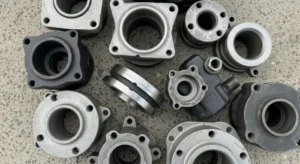
You fight leaks, delays, and quality doubts every year. You need castings that protect both your projects and your reputation. Investment casting pump components and
How to Get Faster, More Accurate Quotes for Your Investment Casting Parts?
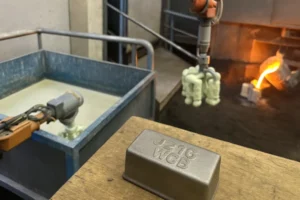
Short answer: To get fast, accurate quotes for investment casting parts, send one complete RFQ package with: 2D/3D drawings, exact alloy grade, quantity and annual
Our Certificate
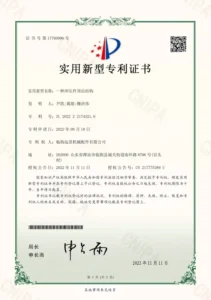
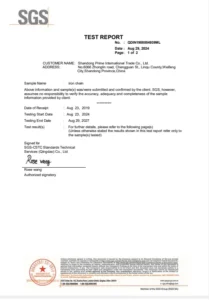
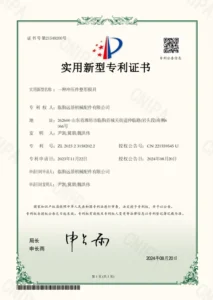
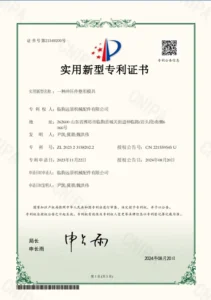
Third-party verification supports supplier approval. Below are our ISO 9001 certificate, SGS test report, and CNIPA utility model patents. If you need a PDF copy for internal review, tell us which document you require.


Get a Free Quote
Start Your Project Today
Looking for casting parts near meor a trusted global partner? Whether you’re sourcing 1,000 units or 1 million, we deliver precision metal casting that meets your requirements.
Free consultation
Engineering support
Fast global delivery
Competitive pricing
Stop overpaying. Start scaling. Partner with a manufacturer that delivers results.
Get a Free, No-Obligation Quote Today!
Ready to start your next project? Send us your 2D/3D drawings (STEP, IGS, X_T formats preferred), material requirements, and order quantity. Our engineering team will review your project and provide a detailed quote within 24 hours.