Custom Welded Assemblies – Engineered Since 1993

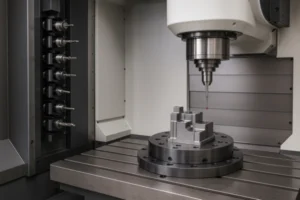
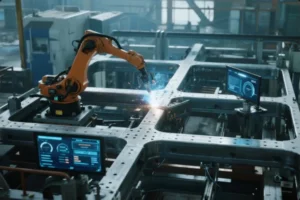
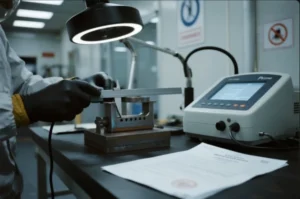
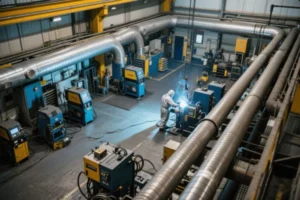
We produce welded metal parts for automotive, construction, agriculture, and industrial equipment companies worldwide — with ISO 9001 certification, 10 dedicated production lines, and full in-house machining and finishing.

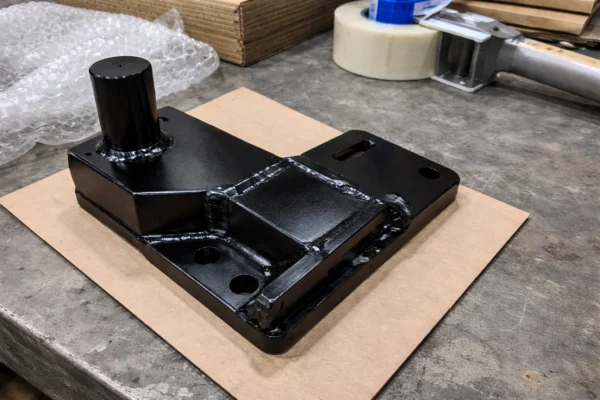
Custom metal weldments including brackets and mounting bases with MIG/TIG weld beads for OEM fabrication

Custom Weldment of metal

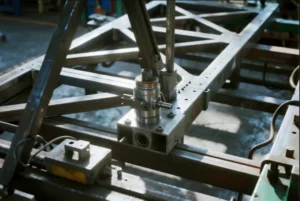
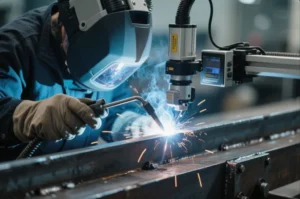
Our custom welded metal parts are designed to meet the needs of different industries, using advanced welding technology to ensure that each product has superior quality and precise performance. Whether in the automotive, mechanical, energy, or construction industries, our metal welders provide robust, durable joining solutions.

Table of Contents

Your Trusted Partner for Precision Welding Solutions

From small brackets to complex welded assemblies, Prime combines certified quality, experienced engineers, and real factory capacity to deliver reliable welding solutions for demanding industrial applications.

ISO 9001 Certified Quality

Our rigorous quality control processes ensure every welded part meets international standards and your exact specifications, from base material verification to final inspection.

30+ Years of Expertise

With more than 30 years of welding and fabrication experience, we provide expert guidance and help you optimize designs for manufacturability, durability, and cost-effectiveness.

Flexible Customization

From simple brackets to complex welded frames and housings, we work from your drawings or samples to produce parts tailored to your specific loads, environments, and installation requirements.

Rapid & Reliable Delivery

With 10 dedicated production lines and integrated welding, machining, and finishing, we offer fast, predictable lead times that help you keep projects and maintenance schedules on track.

Competitive Pricing

Our streamlined operations and manufacturing scale allow us to offer top-tier welded assemblies at competitive wholesale prices, without sacrificing material quality or process control.

Industries We Serve

For decades, Prime has supplied custom welding parts to demanding industries worldwide. Our experience ensures reliable performance, long service life, and stable production for your projects.

🏭

Automotive & Transportation:

Chassis brackets, engine mounts, sensor housings — requiring fatigue resistance and dimensional stability.

🚧

Construction & Heavy Machinery:

Load-bearing frames, hydraulic manifolds — designed for high impact and outdoor corrosion.

🚜

Agriculture Equipment:

Reinforced linkages, implement frames — built to withstand abrasive soil and vibration.

⚙️

Industrial Automation:

Robotic arm bases, structural supports — needing tight flatness and repeatable assembly.

📦

Electronics Enclosures:

Welded cabinets, EMI shields — often with cosmetic finish and grounding requirements.

✈️

Aerospace Ground Support:

Lightweight adapters, tooling fixtures — made from aluminum or stainless per customer spec.

General Hot Selling Products

Customized metal weldments can be divided into several main types according to the processing technology, each process has its unique characteristics and application fields. The following are some common types of metal weldments grouped by process and their characteristics and areas of application:

The arc welding process of a custom-made metal bracket on a workshop workbench, with the weld pool and sparks clearly visible.

ARC Welding (SMAW)

Features:

Applications:

TIG Welding

Features:

Applications:

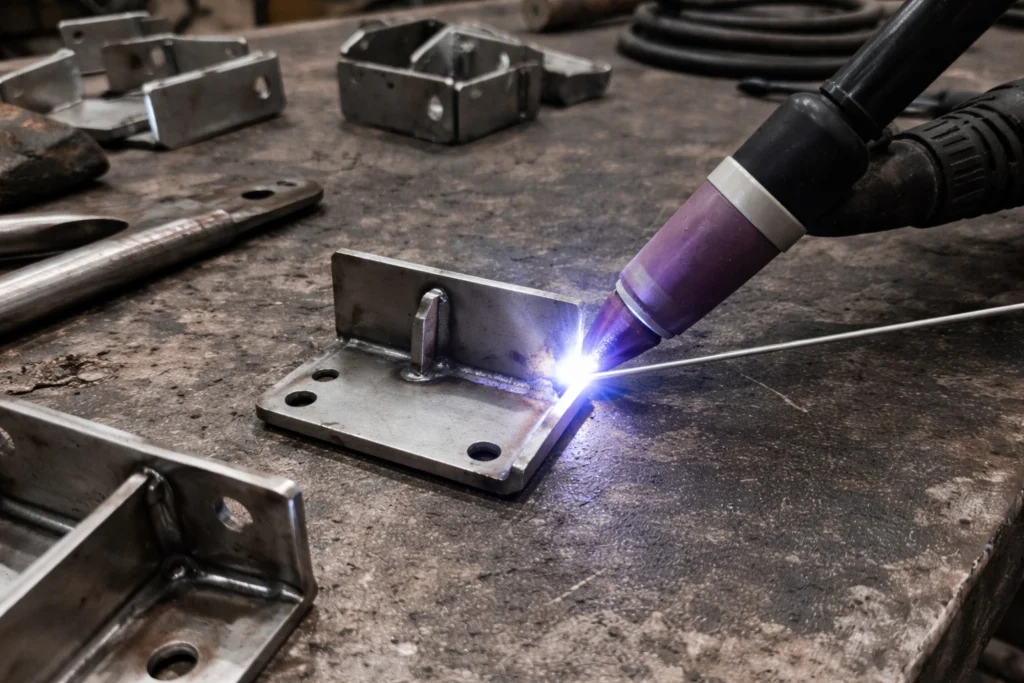
This video shows the TIG (tungsten inert gas) welding process for a custom-made stainless steel bracket, with the welding torch and filler wire forming a weld seam on the workbench.
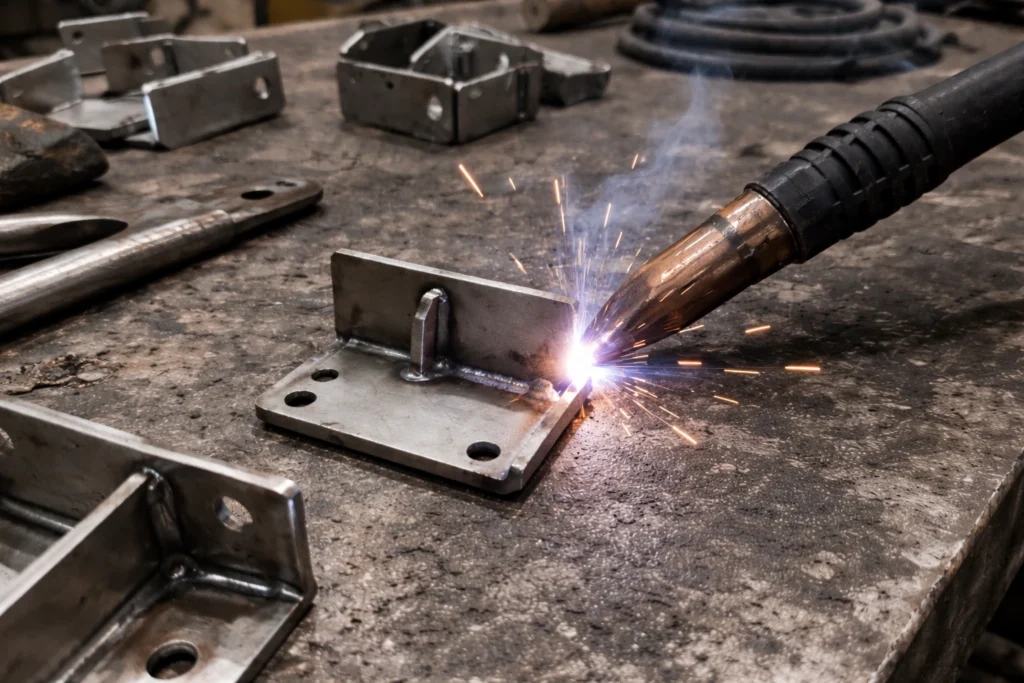
During the MIG welding process of the custom-made steel bracket, sparks fly from the welding torch, and a weld bead forms on the workbench.

MIG Welding

Features:

Applications:

Laser Welding

Features:

Applications:

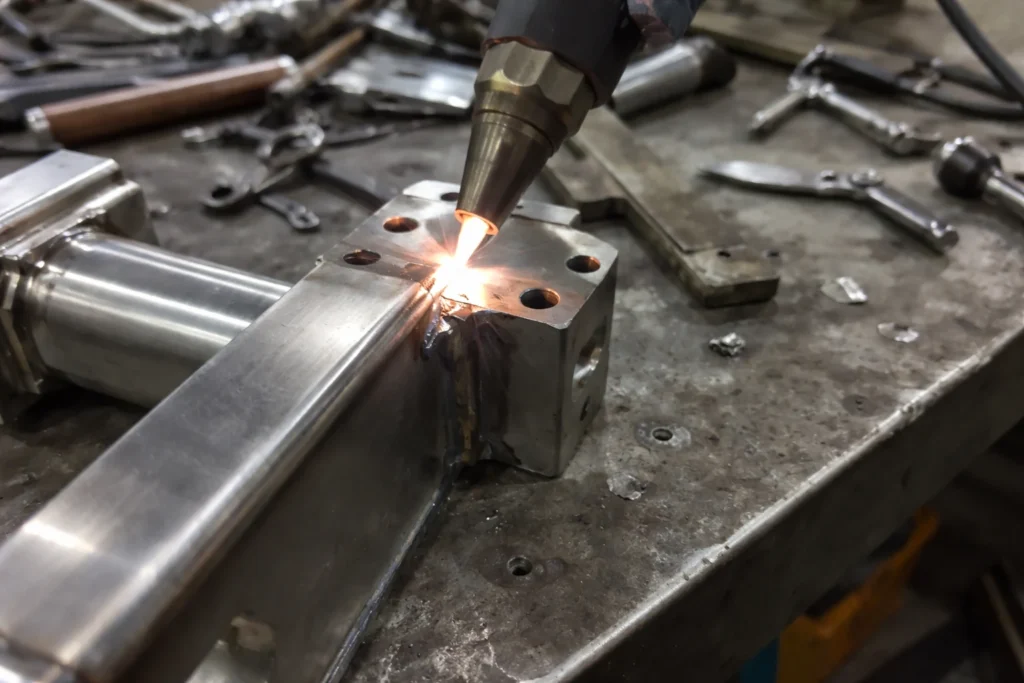
Custom metal parts are being laser welded on a workbench in the workshop.
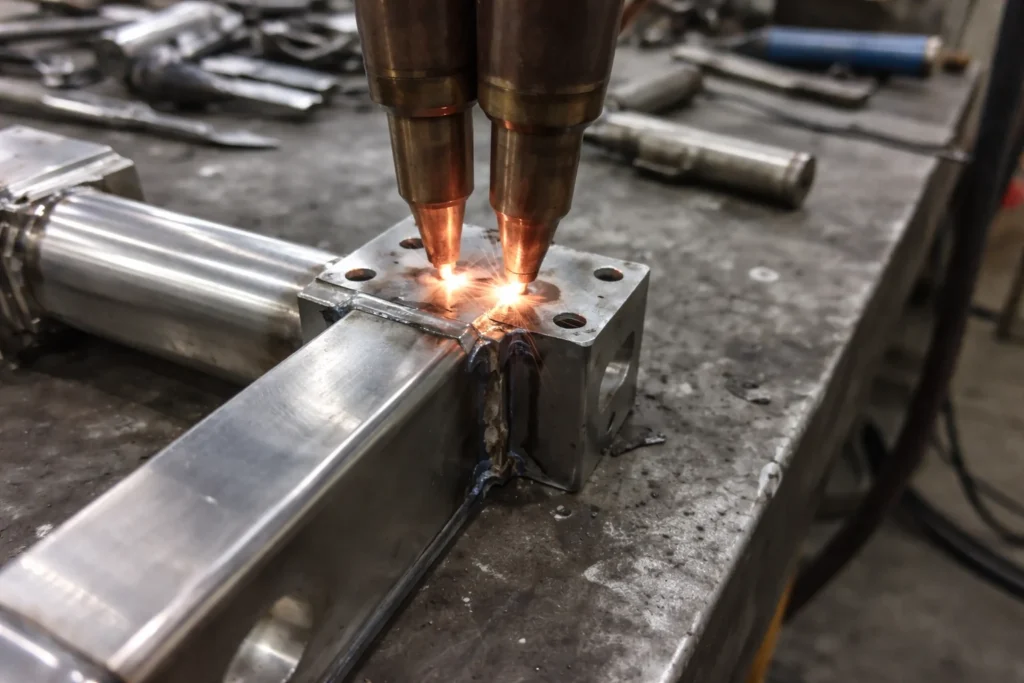
The video demonstrates the process of spot welding custom metal parts using copper electrodes on a workbench, showing the weld points and sparks.

Spot Welding

Features:

Applications:

Gas Tungsten Arc Welding (GTAW)

Features:

Applications:

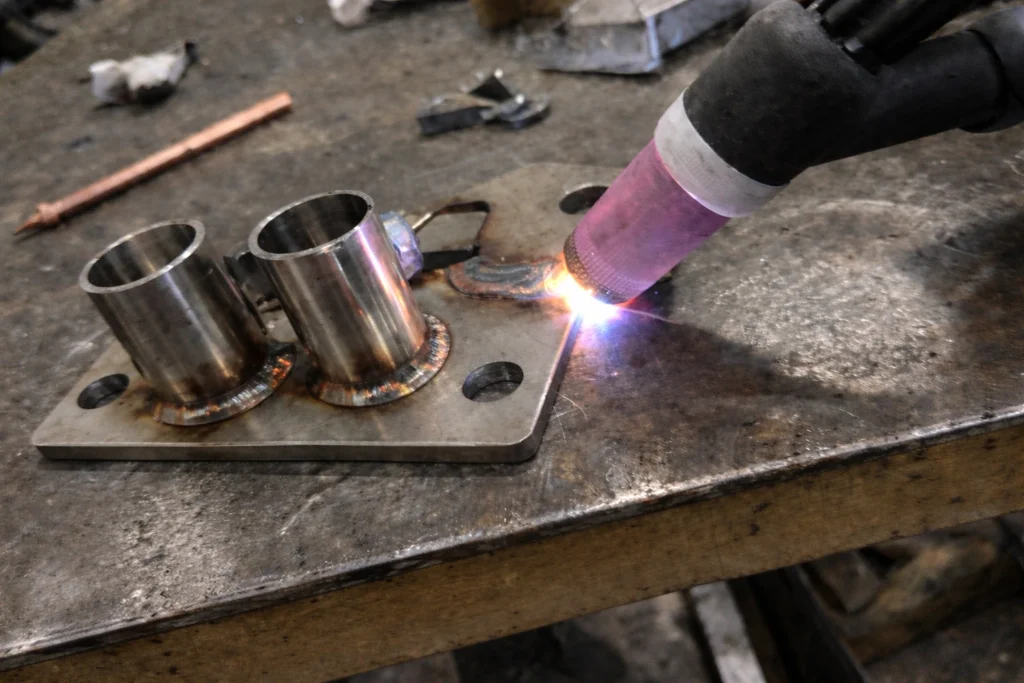
Custom-made stainless steel parts are being TIG welded at close range; the image shows the welding arc and the newly formed weld seam on the metal plate.

In Summary

Different welding processes have different advantages and application fields in production. Selecting the appropriate welding process can meet the different needs of various industries for the strength, accuracy and production efficiency of welded parts. Whether it is arc welding, argon arc welding, MIG welding, or laser welding, each process has its unique advantages. Depending on the material properties, the workpiece size, and the environment in which it is used, provide tailor-made solutions.

Raw materials for metal welding parts

Below is a practical material selection table for OEM welded assemblies (GTAW/TIG, GMAW/MIG, spot welding, laser welding). Need a recommendation? Send your drawing + service environment and we’ll suggest the best grade and weld method.

Material Common Grades / Standards Typical Applications Key Benefits Welding Notes (Quick Guide)
Carbon Steel
General structural / brackets
ASTM A36 / A572
EN S235 / S355
Frames, brackets, base plates, guards Low Cost Easy to Weld Strong Distortion controlled via fixturing and stitch welding on thin plates. Add coating after welding (powder coat / zinc plating) if corrosion risk.
Stainless Steel
Corrosion resistance
304 / 304L (EN 1.4301 / 1.4307)
316 / 316L (EN 1.4401 / 1.4404)
Food equipment, enclosures, marine hardware, medical supports Corrosion Resistant Clean Finish TIG preferred for cosmetic welds; use low-carbon “L” grades to reduce sensitization. Control heat input; post-weld pickling/passivation optional for best corrosion performance.
Aluminum
Lightweight assemblies
5052 / 5083 (sheet/plate)
6061-T6 (machined parts)
Light frames, covers, housings, fixtures Lightweight Good Corrosion TIG/MIG with proper shielding gas; oxide removal is critical. Heat can reduce strength in heat-treated alloys (e.g., 6061-T6) near the weld zone.
Galvanized Steel
Pre-coated corrosion protection
GI / HDG sheet
(zinc-coated)
Outdoor brackets, HVAC parts, light structures Corrosion Protection Fast Lead Time Zinc fumes are hazardous—ensure proper ventilation and PPE. Remove coating near weld area when needed; re-coat/paint after welding to restore protection.
High-Strength Alloy Steel
Load-bearing parts
4130 / 4140 (42CrMo4)
Q&T options
Mounts, shafts with welded tabs, heavy-duty brackets High Strength Wear Resistant Preheat may be required (depends on thickness/carbon equivalent). Control cooling rate to avoid cracking; PWHT may be recommended for critical parts.
Cold-Rolled Steel
Thin sheet-metal fabrication
SPCC / DC01
CR sheet
Covers, cabinets, sheet assemblies Good Forming Smooth Surface Spot welding or short MIG/TIG passes to minimize burn-through. Use backing bar/fixture; deburr edges before welding for cleaner seams.
Nickel Alloy
Heat / chemical resistance
Inconel 625 / 718
Hastelloy (selected)
High-temp fixtures, chemical equipment components High Temp Chemical Resistant TIG typically used; strict cleanliness required. Use matching filler; control heat input and interpass temperature for crack resistance.

Tip: If your assembly requires tight cosmetic appearance, leak-tight seams, or minimal distortion, we can combine TIG for visible joints + spot/laser where suitable, and provide fixtures for repeatability.

The Process Flow & Duration Estimation

The production process of metal welding parts requires precise process control and high-level technology to ensure that the welding parts meet quality standards and meet the special requirements of customers. The following are the main steps in the production of metal weldments:

Step 1: Design and drawing validation

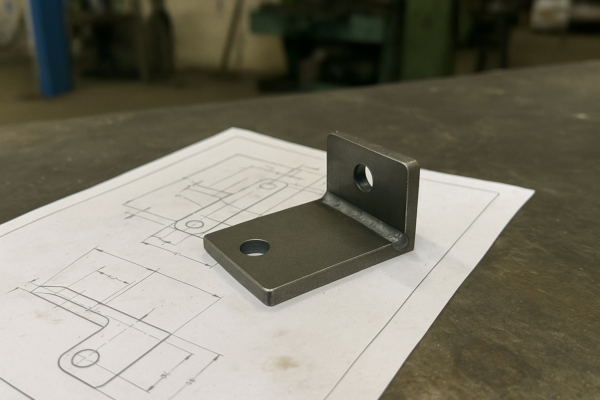
Before production, the engineer will provide the design plan and technical drawing of the welding parts according to the customer’s requirements and design requirements. Design drawings including welding size, shape, material requirements, as well as welding process selection. Ensure that the design conforms to the feasibility of production, and after customer confirmation to the next step.

Design and drawing validation
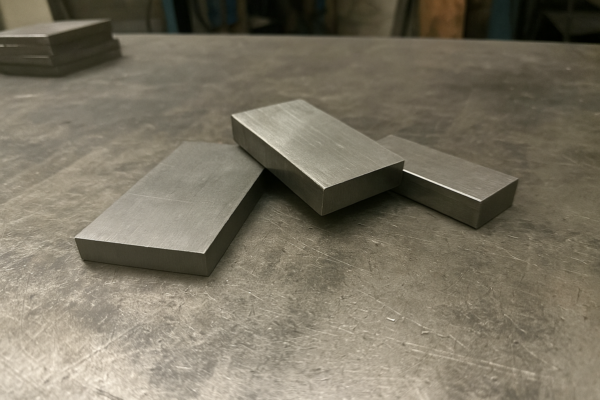
Metal billet blanks prepared on a workbench for CNC machining and custom OEM parts manufacturing

Step 2: Preparation of materials

According to the design drawings and process requirements, select the appropriate metal materials (such as steel, aluminum, stainless steel, etc.) . In this step, the material is pre-inspected to ensure that its quality meets welding requirements. In addition, the selected materials also need to be cleaned to remove surface dirt, grease, oxides, etc. , to ensure the smooth progress of welding.

Step 3: Cutting and machining of workpieces

The metal material is cut to a shape and size suitable for welding according to the design dimensions. Common cutting methods include laser cutting, plasma cutting, shearing, etc. . After cutting the metal parts usually need further processing, such as grinding, deburring, etc. , to ensure the accurate size of the workpiece and good welding contact surface.

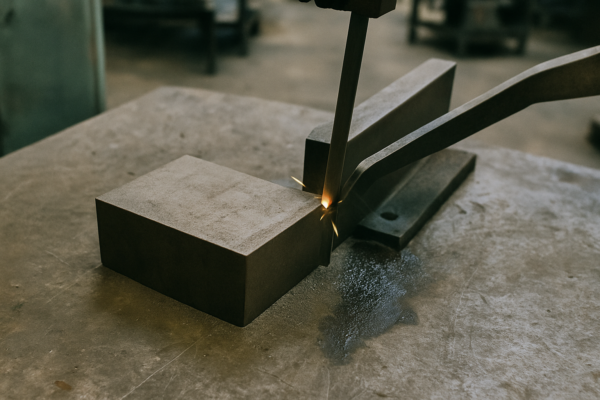
Cutting a metal workpiece on a workshop table with a cutting tool and tongs during CNC machining preparation
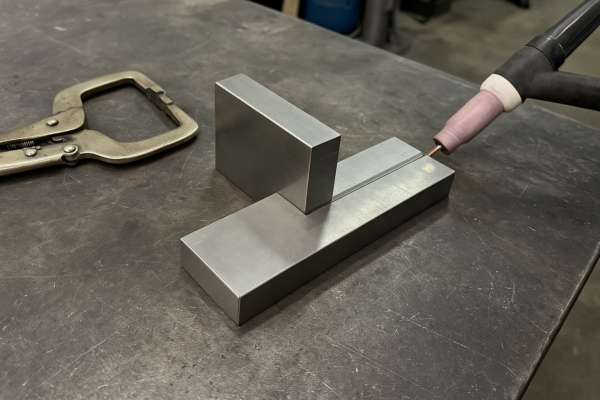
Welding preparation for a steel T-joint with fixture alignment on a workbench before TIG welding and fabrication

Step 4: Prepare for welding

Before welding, the welding area needs to be inspected and prepared. First of all, check the fit of the welding workpiece, to ensure that the fitting accuracy of the joint part to meet the requirements. Then, according to the selected welding process (such as arc welding, argon arc welding, MIG welding, etc.) , prepare the appropriate welding materials and shielding gas. Make sure the equipment is debugged and the welding environment is in accordance with the safety standard.

Step 5: Welding operation

Cleaning and deburring: after the casting is removed, there may be excess metal or burrs on the surface, which need to be cleaned by grinding, sandblasting, etc. .

Welding Process Control: to ensure that the welding heat input, molten pool size, welding speed, etc. in line with technological requirements.

Welding Monitoring and adjustment: real-time monitoring of welding in the welding process, if there is a problem can be adjusted at any time process parameters.

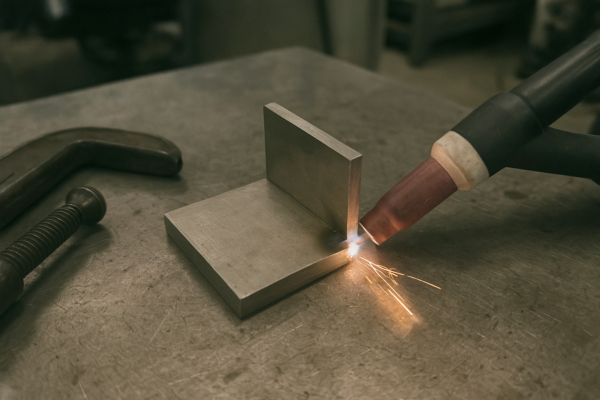
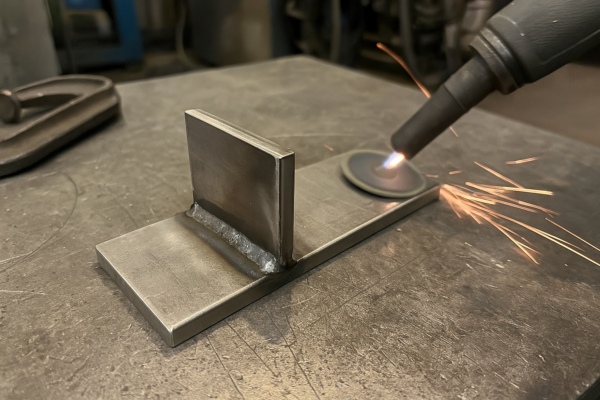
Welding operation on a steel L-joint using a welding torch with sparks for custom metal fabrication and OEM weldments
Post treatment of welding

Step 6: Post treatment of welding

After the welding is completed, the welded joint needs to be post-treated to remove the residues and oxides generated during the welding process to ensure the strength and appearance of the welded parts. Common post-processing methods include:

Step 7: Quality inspection

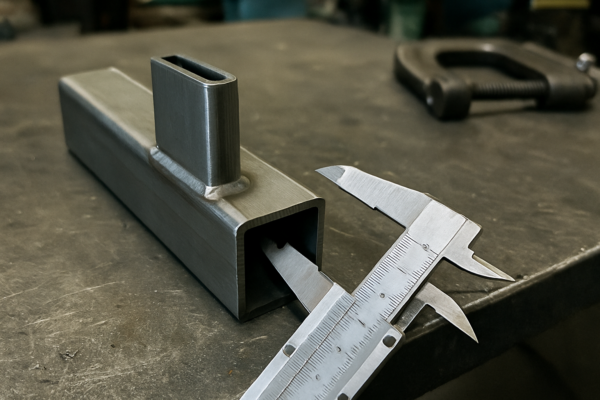
After welding, the metal parts need to go through strict quality inspection to ensure that each product is in accordance with the design standards. The testing items include:

Quality inspection
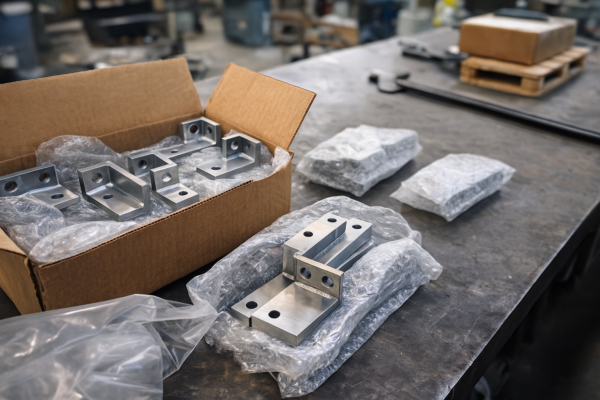
Packaging and shipping

Step 8: Packaging and shipping

After quality inspection of qualified welding parts into the final packaging link. According to the customer’s requirements and product characteristics, select the appropriate packaging, to prevent damage during transportation. Packaged products will be shipped according to the order arrangement to ensure timely delivery to customers.

Step 9: Delivery of finished product

Upon completion of all inspection and post-processing, the castings will become the final product, ready to be delivered to the customer or used for assembly.

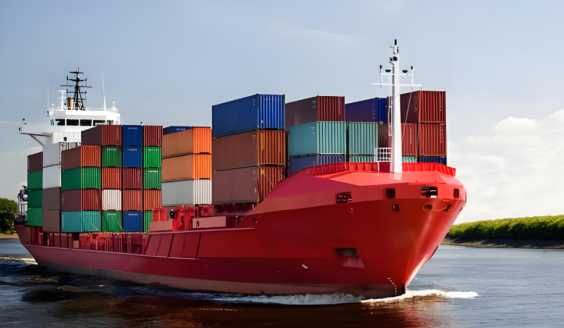
Global logistics and international container shipping services for finished OEM products.

Want to know how to compress lead times?

In order to shorten the production and delivery cycle, we suggest that you tell us your needs in detail, and we will adjust the strategy flexibly according to your requirements to ensure your production and help you succeed!

Post-weld finishing that looks premium and performs in the field

Surface Finishing for Custom Welded Parts

Welding strength is only half the story. A controlled finishing process improves appearance, corrosion resistance, coating adhesion, and handling safety—so your welded assemblies arrive clean, consistent, and ready to install.
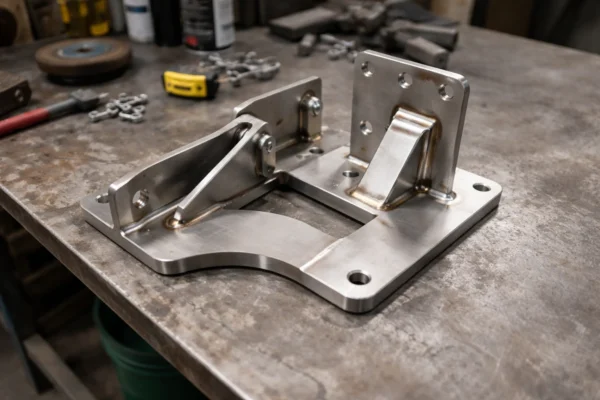
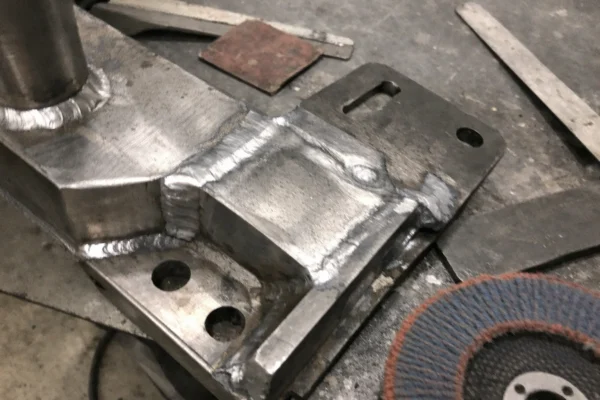
Appearance & Fit Blend weld beads, remove spatter, and keep edges smooth for a clean, “engineered” look.
Corrosion Protection Choose the right prep + finish (powder, paint, plating, passivation) for your environment.
Coating Adhesion Correct cleaning and roughness control reduces peeling, pinholes, and early coating failure.
Production Consistency Repeatable prep parameters help you keep stable batches from prototype to mass production.

Surface Prep (Before Any Coating)

We match preparation to your coating system and requirement: spatter removal, bead grinding, edge rounding, degreasing, and controlled roughness for adhesion.

Deburr & edge break Spatter removal Bead blending Degrease & rinse
Typical Prep Workflow
1
CleanOil/oxide removal for stable coating adhesion.
2
BlendGrind/feather weld bead per drawing or cosmetic class.
3
ProfileSet surface roughness for powder/paint/plating.
4
ProtectMask critical areas (threads/seats) when needed.

Common Finishes for Welded Assemblies

Pick the finish based on corrosion level, appearance, wear, and cost. We can also follow your specified standard or approved supplier list.

Powder coating Wet paint E-coat Zinc / Nickel plating Shot blasting Passivation (SS)
When to Use What
✓
Outdoor corrosionE-coat + powder or zinc plating + topcoat.
✓
Cosmetic demandBlend welds + powder coating for uniform look.
✓
Stainless assembliesPickling/passivation after proper cleaning.
✓
Industrial wearHarder coating systems and controlled surface prep.

Quality Checks That Prevent Rework

We confirm the finishing result matches your function and visual requirements—especially on edges, weld seams, and coated surfaces.

Visual & cosmetic class Coating thickness (if required) Adhesion checks Masking verification Cleanliness before packing
Deliverables (On Request)
A
Finish spec sheetProcess + acceptance criteria you can approve.
B
Photos per batchKey angles of weld seams & coated surfaces.
C
Inspection reportCritical dimensions, surface notes, and packaging check.
D
Custom standardFollow your ISO/ASTM/DIN or internal finishing spec.
Finish Selection Quick Guide (All options are customizable to your material, geometry, and end-use.)
Finish Best For Notes for Welded Parts
Powder Coating Durable cosmetic surface; consistent color & texture Requires stable prep; weld seam blending improves final appearance.
Wet Paint Flexible color matching; touch-up friendly Great for large assemblies; consider masking for threads and seats.
E-Coat Even coverage on complex shapes; corrosion base layer Often used as primer under powder for outdoor/automotive-like environments.
Zinc / Nickel Plating Corrosion protection; fasteners & brackets Geometry and weld areas may affect uniformity—verify critical fits and threads.
Shot Blasting Surface uniformity; prep for coating Controls roughness and removes scale; ideal before powder/paint systems.
Pickling / Passivation (SS) Stainless corrosion resistance after welding Reduces heat tint risk; confirm spec for medical/food-contact applications.
Can you match our cosmetic standard for visible welds?

Yes. Share a photo reference or cosmetic class requirement. We can blend weld seams, control edge breaks, and align finishing steps to meet your visual acceptance criteria.

How do you protect threads and precision fits during finishing?

We use masking solutions and process planning to protect threads, sealing surfaces, and tight-tolerance areas. Call out no-coat zones on the drawing for best results.

What do you need from us to recommend the right finish?

Send your drawing and tell us the environment (indoor/outdoor, humidity, salt, chemicals), color/texture preference, and any required standard. We’ll suggest a reliable prep + finish combo.

Do you provide sample finishing or approval before mass production?

Yes. We can run sample pieces or a pilot batch for finish approval, then lock the process parameters for stable batch-to-batch consistency.
The Common Pitfalls When Purchasing

Please note that the final cost depends on the customized service you require, the specifications of the raw materials used, the relevant national laws, and the distance of transportation. Take the example of booking a tall container of products:

Our Certificate

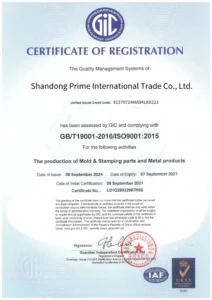
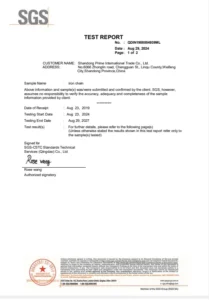
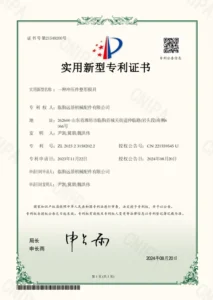
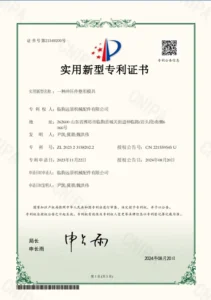
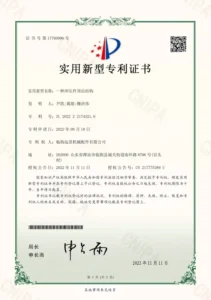
Third-party verification supports supplier approval. Below are our ISO 9001 certificate, SGS test report, and CNIPA utility model patents. If you need a PDF copy for internal review, tell us which document you require.

A Brief Self-Nomination​, Why Choose Prime?

Choose Us, you will get cost-effective, high-quality, on-time delivery of metal weldment solutions.

Why Choose Prime

Experience: we have more than 30 years of metal welded parts production experience, can provide high-quality custom metal welded parts for the industry.

Professional team: Our Engineering team is familiar with metal welded parts technology, can provide precise design and production services.

Quality assurance: WE ARE ISO 9001 certified to ensure that every metal welded part meets the highest standards of quality.

Rapid Response: We are committed to providing fast sample production and production cycle, to ensure that your needs can be met in a timely manner.

Global Services: No Matter where you are, we can provide you with quality services to ensure the smooth progress of your business.

Your Trusted Resource for Metal Parts Sourcing

Get in touch

Custom Hardware Parts Made Easy

Ready to partner with a leader in industrial metal parts manufacturing? Our process is simple, transparent, and designed for your convenience.

Tell Us Your Requirements

Share detailed information about your needs, including drawings, reference images, and any specific ideas or specifications you have in mind.

Receive Tailored Solutions & Quote

Based on your requirements and design, we’ll provide a custom solution and send you a detailed quote within 24 hours.

Approve for Production

Once you approve the design and quote, we’ll begin mass production and take care of the shipping, ensuring timely delivery.

Get a Free Quote

Reach out to us for a free quote and expert advice on your custom hardware needs. At Prime, we’ll provide the right solution for your project, ensuring quality and precision every step of the way.

Send a message