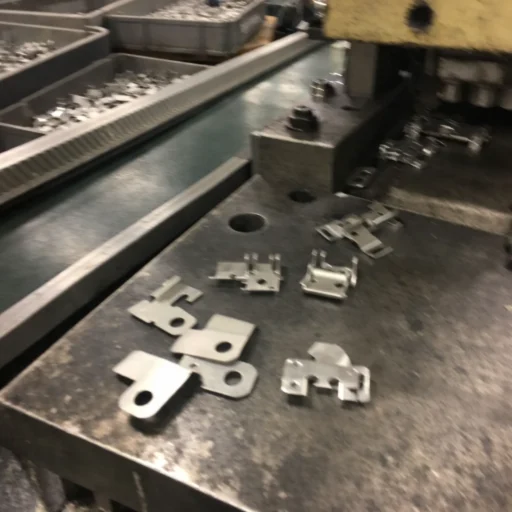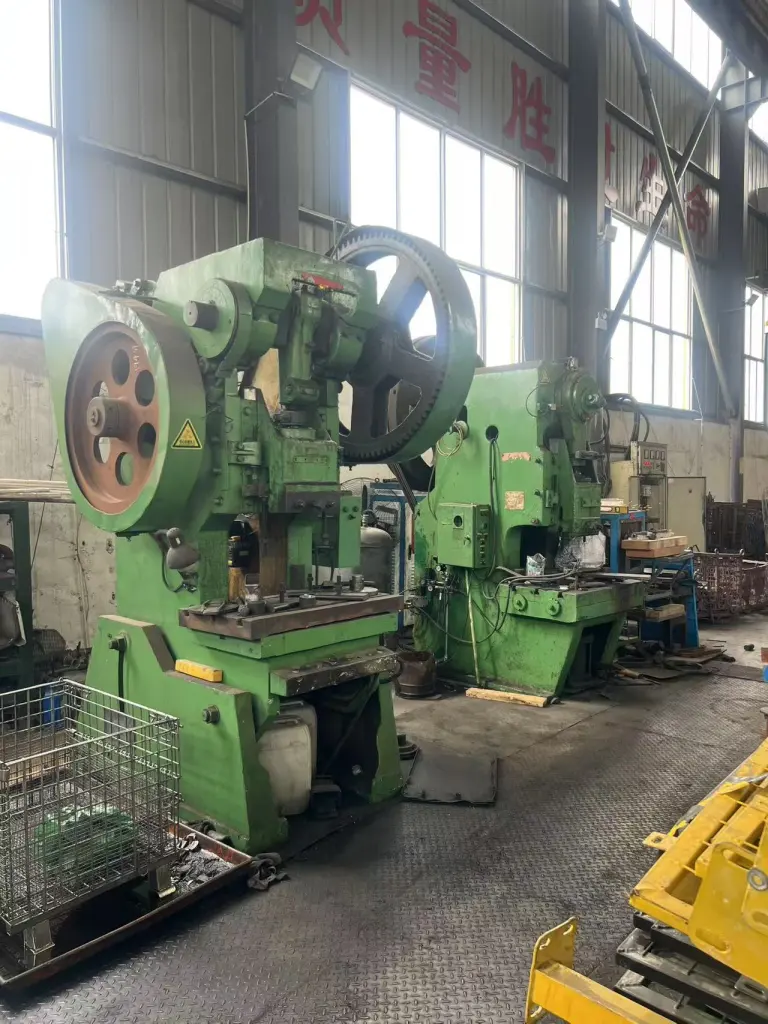
ISO 9001:2015 Certified Custom Metal Stamping Partner

Progressive die, deep draw & four-slide stamping with in-house tooling, inspection, and worldwide delivery.

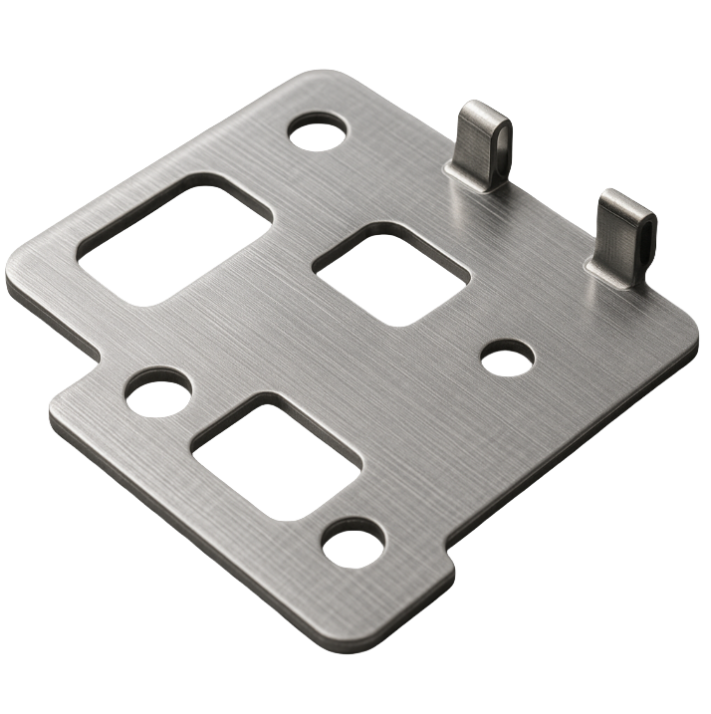
custom precision metal stamping parts

Scalable Production, Transparent Pricing

Operating 10 dedicated stamping lines (25–300T) since 1993, we deliver consistent quality at volume—without hidden tooling markups.

Low MOQ, Fast Validation

Start with just 100 pcs to validate design and fit—ideal for prototyping or niche applications without inventory risk.

Certified Quality, Full Traceability

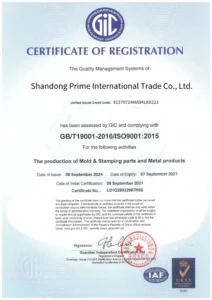
Every batch is backed by ISO 9001:2015 processes, with FAI, material certs (MTC), and dimensional reports on request.

Metal Stamping Parts: Process, Tolerances & What You Get

Metal stamping is a cost-effective way to produce repeatable sheet-metal components at volume. We combine press forming with in-house tooling and inspection to deliver stable tolerances, controlled burr, and export-ready documentation for OEM programs.

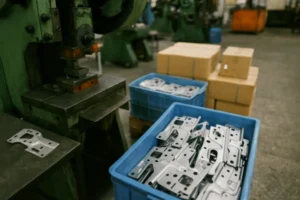
High-speed progressive stamping press with coil feed and stacked stamped plates, producing OEM metal parts in volume.

Table of Contents

Prime Capability

Press Tonnage & Machining Capability

Founded in 1993, PRIME operates 10 production lines with an ISO quality system for stable OEM supply. All capability ranges are customizable by drawing/spec.
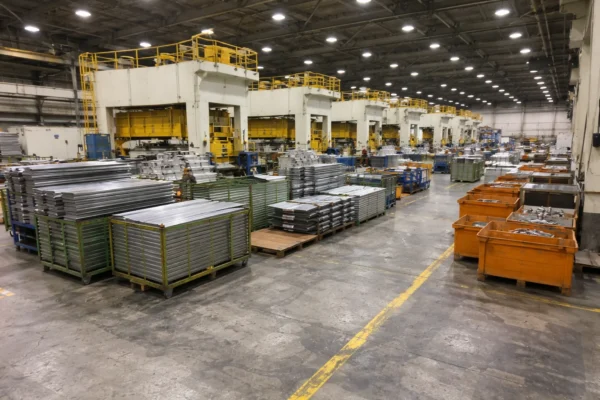
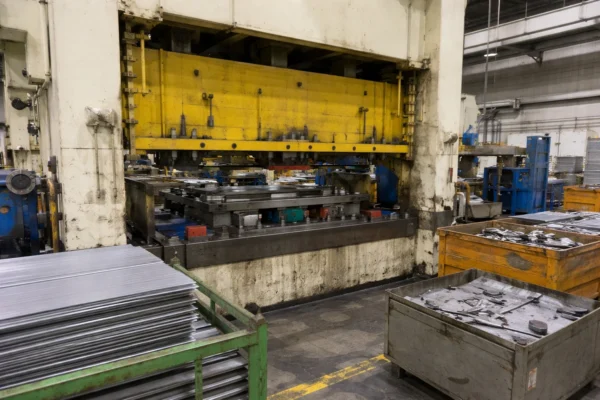
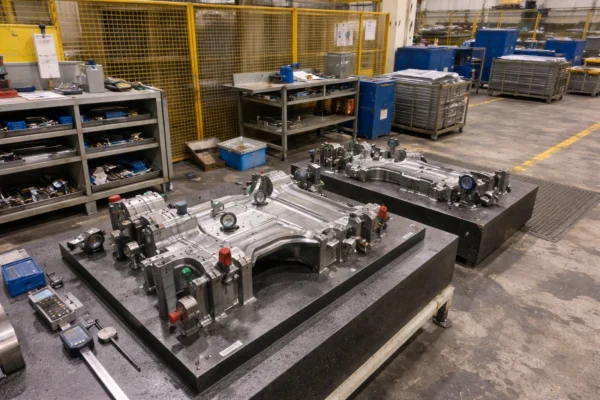
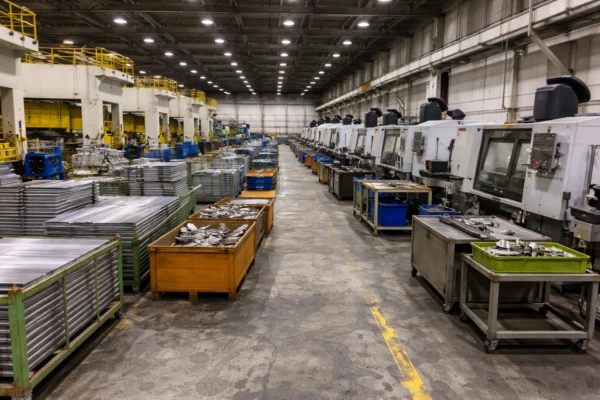
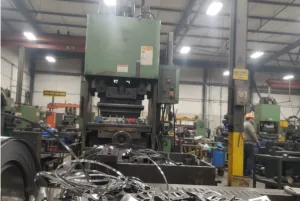
Wide view of a metal stamping workshop with multiple stamping press lines, sheet metal stacks on carts, and organized material flow. Stamping parts quality inspection station with gauge fixtures on granite surface plates inside a controlled inspection area. Quality inspection setup for stamped parts showing gauges and controlled inspection area
OEM metal parts production floor combining stamping presses and CNC machining centers with organized carts of sheet metal blanks and finished components.

Press Tonnage

25–300T

Progressive / compound tooling options

Production Lines

10 Lines

Prototype → mass production support

Secondary Ops

CNC + Tapping

Deburr, drilling, reaming, threading

Typical Tolerance

±0.05 mm

Final tolerance per drawing & CTQ

  • Materials Carbon steel / stainless steel / aluminum / copper alloy (custom grades available)
  • Processes Blanking, piercing, bending, forming, embossing, and assembly-ready features
  • Quality Control FAI, in-process checks, final inspection reports, material certificates (as requested)
Capability Item Typical Range Notes
Stamping Thickness 0.3–6.0 mm Thicker than 4.0mm? Possible with multi-stage forming—share your drawing for feasibility review.
Finishing Options Zinc / Nickel / Black oxide / Passivation Coating spec per drawing/standard
Delivery Mode Prototype → Mass Production Stable batch consistency for OEM orders

Send your drawing (PDF/DWG/STEP) and annual volume estimate.
We’ll respond within 24 hours with:
– DFM feedback & manufacturability assessment
– Recommended process (progressive/deep draw/etc.)
– Tooling lead time & sample schedule

Materials Used in Metal Stamping

Applications demand different strength, formability, and corrosion resistance. Below are the most frequently used stamping materials. Grades, thickness, and standards are fully customizable based on your drawing and spec.

Material Common Grades / Standards (Examples) Why It’s Used Typical Stamped Parts
Cold-Rolled Steel SPCC / DC01 ASTM A1008 Best for cost-sensitive, high-volume structural parts where moderate corrosion resistance is acceptable. Brackets, covers, panels, structural stampings
Galvanized Steel SGCC / DX51D+Z EN 10346 Choose when parts will be exposed to humidity or outdoor environments—extends service life without painting. Electrical enclosures, mounting plates, outdoor hardware
Stainless Steel 304 / 1.4301 316 / 1.4401 ASTM A240 Essential for food, medical, or marine applications requiring long-term corrosion resistance and cleanability. Clips, brackets, decorative parts, medical/food-related hardware
Aluminum Alloy 5052 6061 ASTM B209 Ideal when weight reduction matters—e.g., portable equipment or moving assemblies. Lightweight panels, housings, heat-sink brackets
Copper / Brass Copper C110 / T2 Brass C260 / H68 ASTM B152 / B36 Preferred for electrical conductivity and EMI shielding in connectors or terminals. Terminals, contact springs, conductive tabs, shields
Customization: We can stamp to your required standard (DIN / ISO / ASTM or custom), thickness range, temper, and surface finish. Send your drawing and target specs for a material recommendation.

Core Process Guide: From Engineering Design to Delivery

Chapter 1

Preparation for design and engineering

Manufacturing engineers reviewing a CAD blueprint and discussing DFM details during an OEM project meeting in a machine shop.
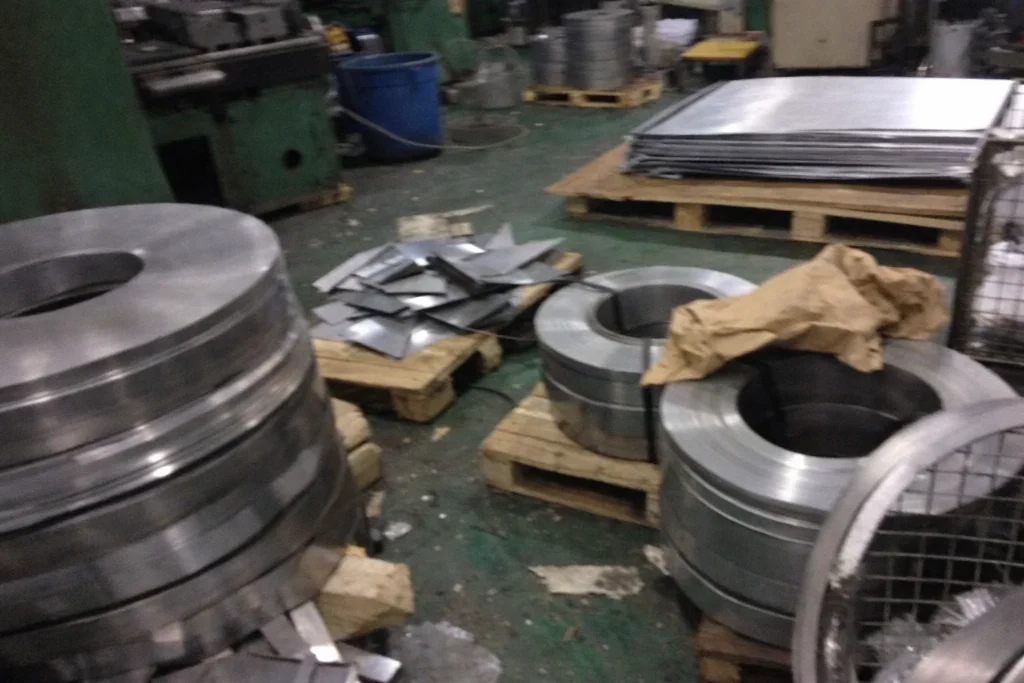
Custom metal stamping material preparation with steel coils and stacked sheet blanks on pallets in a factory workshop

Chapter 2

Material preparation

Chapter 3

Stamping

Custom metal stamping press forming a sheet metal strip into stamped parts on a production line, with bins of components and scrap.
CNC machining stamped metal brackets after stamping, with milling tool, coolant line, and bins of parts and metal chips.

Chapter 4

CNC Machining

Chapter 5

Secondary processing

custom metal stamping deburring secondary operation
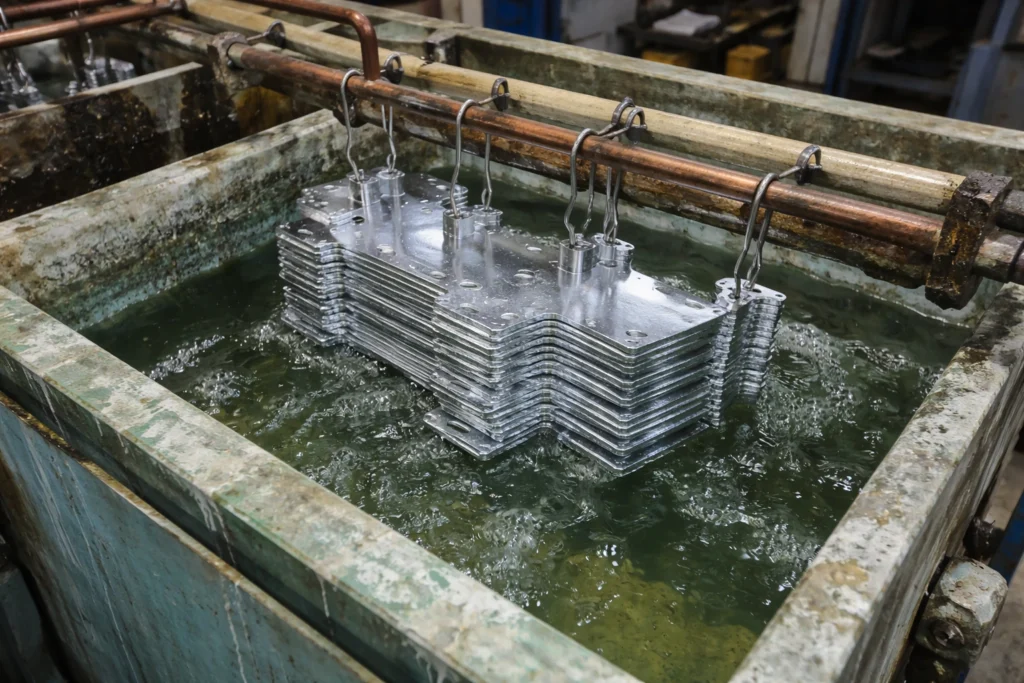
Electroplating surface treatment for custom metal stamping parts, zinc-plated steel components submerged in a plating tank for corrosion resistance.

Chapter 6

Surface treatment

Chapter 7

Quality control

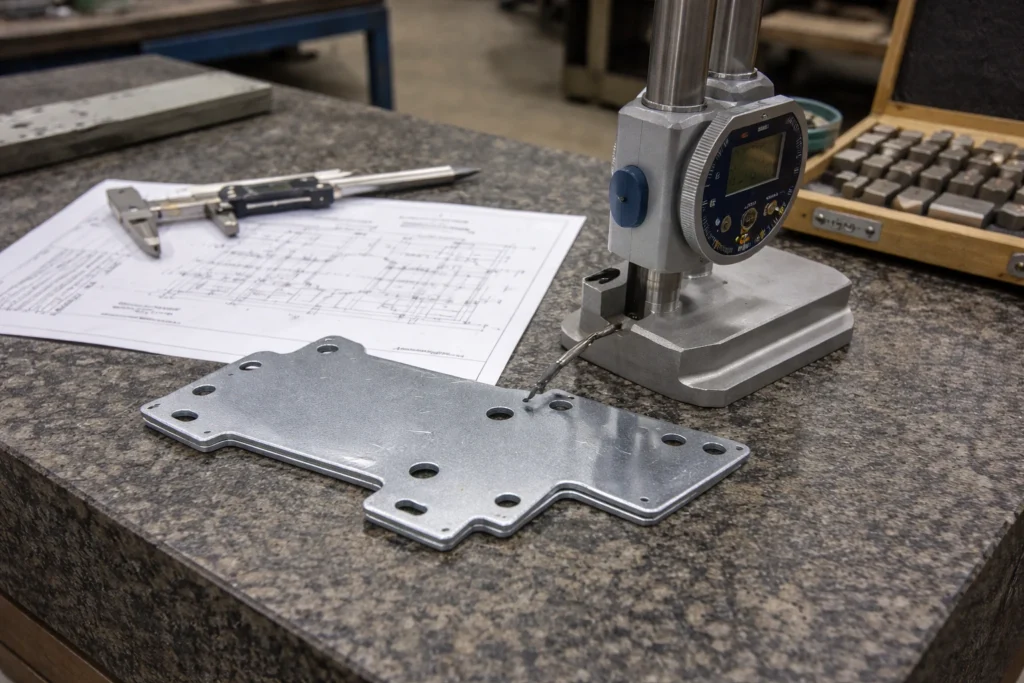
custom metal stamping first article inspection fai quality control
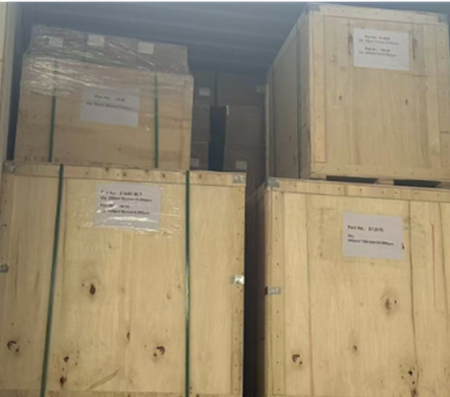
Export wooden crates packed and labeled for shipment, showing secure packaging for OEM custom parts and international delivery.

Chapter 8

Assembly and packaging

Chapter 9

Logistics and delivery

Container cargo ship transporting stacked shipping containers for international logistics and global delivery of OEM custom parts.
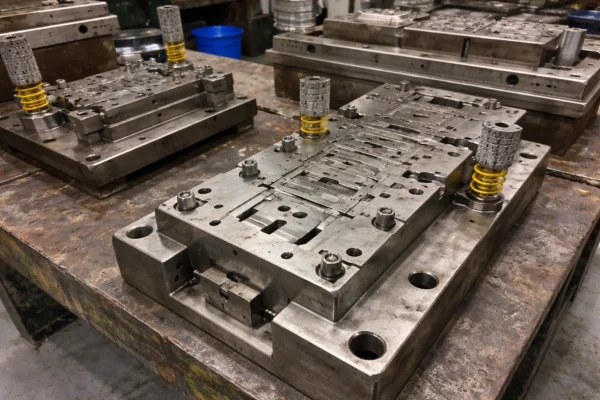
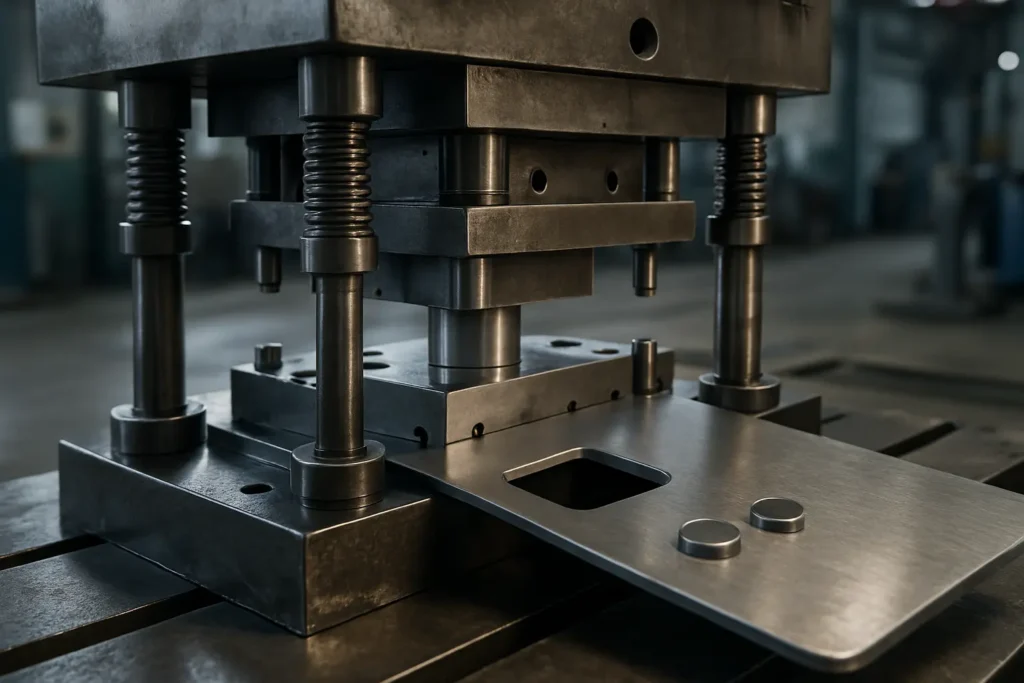
Custom metal stamping die tooling on a workshop bench—steel press die and mold components prepared for production
STAMPING TOOLING • DIE & MOLD

Stamping Tooling That Protects Your Tolerance & Lead Time

PRIME builds and maintains production-ready stamping dies to keep parts stable from prototype to mass production. We align tooling decisions with your CTQ features, material behavior, and required finish—so you get consistent batches, not surprises.

  • Tooling types: Progressive / Compound / Transfer / Simple dies (matched to volume & geometry)
  • DFM first: strip layout, bend relief, hole-to-edge checks, springback risk review
  • Validation: trial runs + FAI samples + key dimensions report before ramp-up
  • Maintenance: wear tracking, sharpening plan, spare inserts for stable long-term supply

Faster quoting

Clear tooling approach + process route in the first reply (die concept, stations, risks).

Better consistency

Controlled forming, burr direction, and critical features—built into the die, not “fixed later”.

Lower total cost

Right die for the job reduces secondary ops and rework across long production runs.

Finish-ready

Tooling accounts for plating/powder coat needs (racking, edges, masking constraints).

Tip: Send PDF/DWG/STEP + material + annual volume + target finish. We’ll confirm die type, estimated lead time, and CTQ control points.

Surface Treatments for Custom Stamped Parts

Finishes impact corrosion resistance, appearance, electrical contact, paint adhesion, and assembly behavior. Selection should match the base material (carbon steel / stainless / aluminum), environment, and functional needs (e.g., conductivity, torque consistency, masking areas, post-weld cleaning).
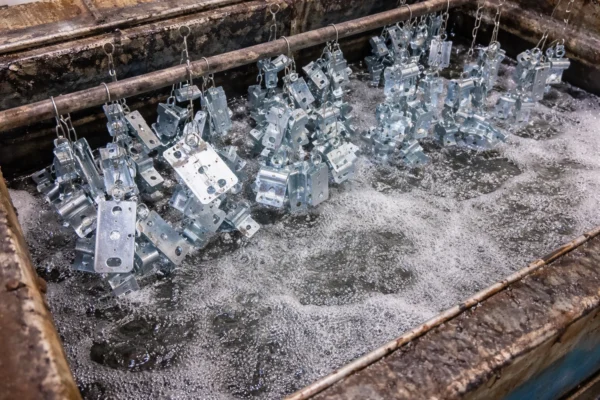
Zinc-plated custom stamped steel parts showcasing high-quality surface finish for improved durability and corrosion resistance.
Recommended when you need a cost-effective finish for steel stampings.

Zinc Plating (Clear/Blue Passivation)

  • Common choice for carbon steel stampings used in indoor or mild outdoor environments.
  • Often paired with chromate conversion (e.g., clear/blue) for improved corrosion behavior.
  • Good fit for brackets, clips, covers, and general assembly parts.
Typical thickness~5–25 μm (per drawing/spec)
Base materialsCarbon steel (most common)
Key benefitBalanced cost & corrosion protection
Engineering noteHigh-strength steel may require hydrogen embrittlement bake (if specified)
Note: corrosion performance depends heavily on pretreatment, conversion coating type, and real service conditions.

Our Metal Stampting Capabilities

Different stamping processes vary in forming principles, structural characteristics, and application scenarios. Selecting the appropriate process helps optimize performance, efficiency, and cost.

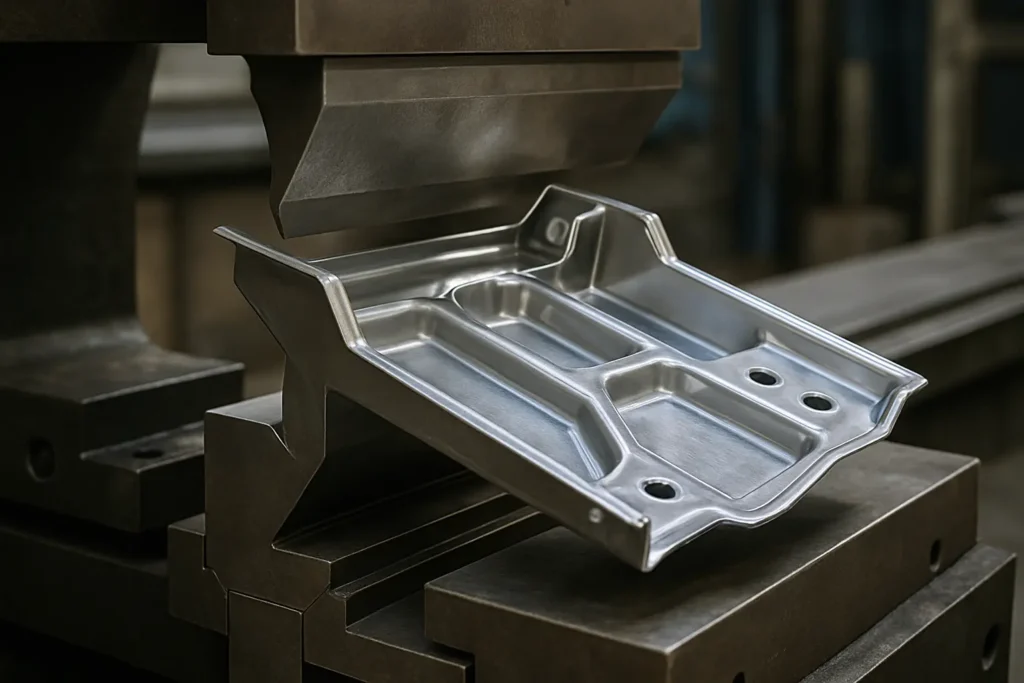
metal stamping, blanking, punching, die set, sheet metal fabrication, precision engineering

Blanking / Piercing Parts

The stamping process primarily involves shearing operations such as blanking and punching, which separate the metal material to obtain the desired shape or hole pattern. This process offers high production efficiency and good dimensional consistency, making it suitable for mass production.

Features: Low cost, high productivity, stable dimensions

Applications: Washers, connector plates, electrical contacts, mounting plates

Bending / Forming Parts

By bending, flanging, and ribbing, metal sheets are formed into specific three-dimensional structures while essentially maintaining the material thickness. This process is suitable for parts with high structural and assembly functional requirements.

Features: Flexible forming, diverse structures, wide applicability

Applications: Brackets, mounting parts, reinforcements, structural connectors

sheet metal forming process
deep drawing process

Deep Drawn Parts

The deep drawing process transforms flat sheet material into hollow or semi-hollow shapes with a certain depth. This process typically requires multiple steps and demands high material ductility and process stability.

Features: Deep forming capability, strong integrity, uniform walls

Applications: Metal housings, covers, containers, industrial enclosures

Progressive Stamping Parts

Progressive die stamping continuously performs multiple processes such as punching, forming, and trimming within the same die set, with automatic material feeding, making it suitable for high-precision, high-consistency mass production.

Features: High automation, high efficiency, excellent repeatability

Applications: Automotive parts, electronic hardware, precision stamped components

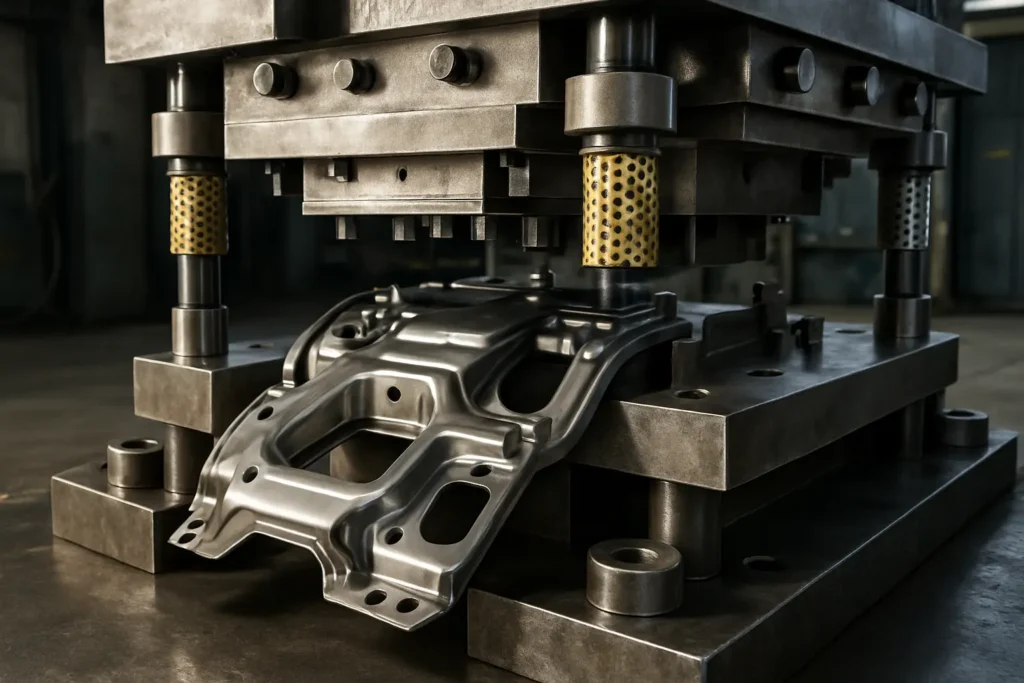
progressive die stamping, high-volume production, multi-station die, metal forming, punching, trimming, automatic feeding, high-precision manufacturing
High-quality custom-made metal parts

Combined Stamping Process Parts

Compound processes combine multiple processes such as blanking, forming, and deep drawing on the same part. This is suitable for stamping products with complex structures and high levels of functional integration, and requires extensive experience in mold design and manufacturing.

Features: High process integration, complex structures, tight tolerances

Applications: High-end industrial equipment parts, function-integrated metal components

Industries We Proudly Serve

prime stamped parts automotive application
  • Automotive: Engine mounts, chassis parts, suspension components, body structural parts
prime stamped parts aerospace defense application
  • Aerospace & Defense: Turbine blades, structural support components, casings, protective parts
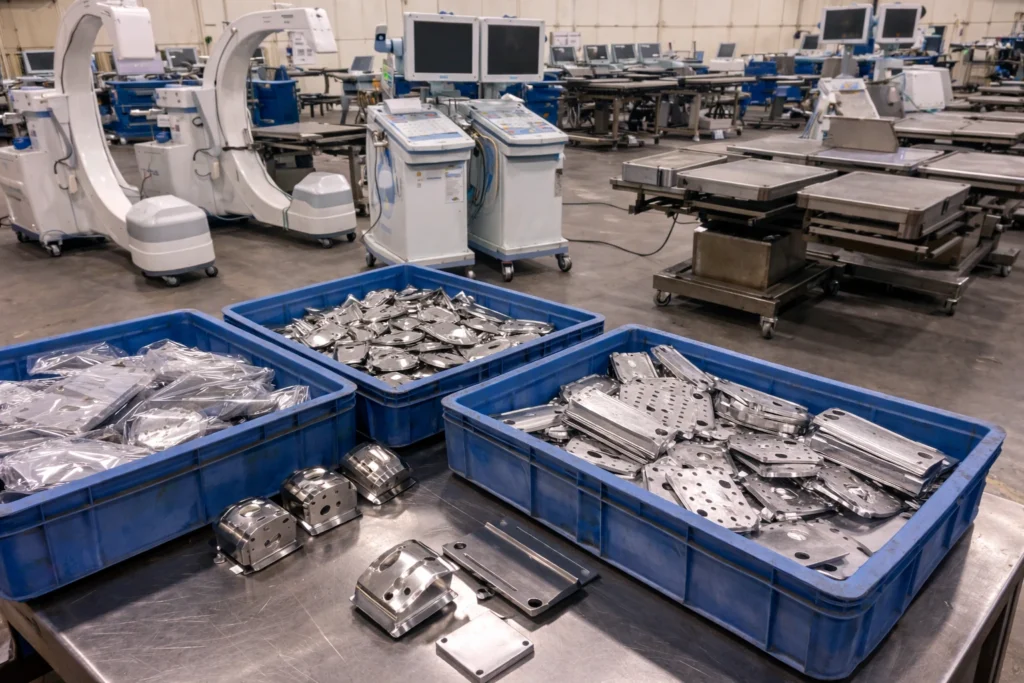
Medical device production area with bins of stainless steel stamped parts on a worktable beside assembled imaging equipment and operating tables.
  • Medical Devices: Surgical instruments, implantable components, diagnostic equipment housings
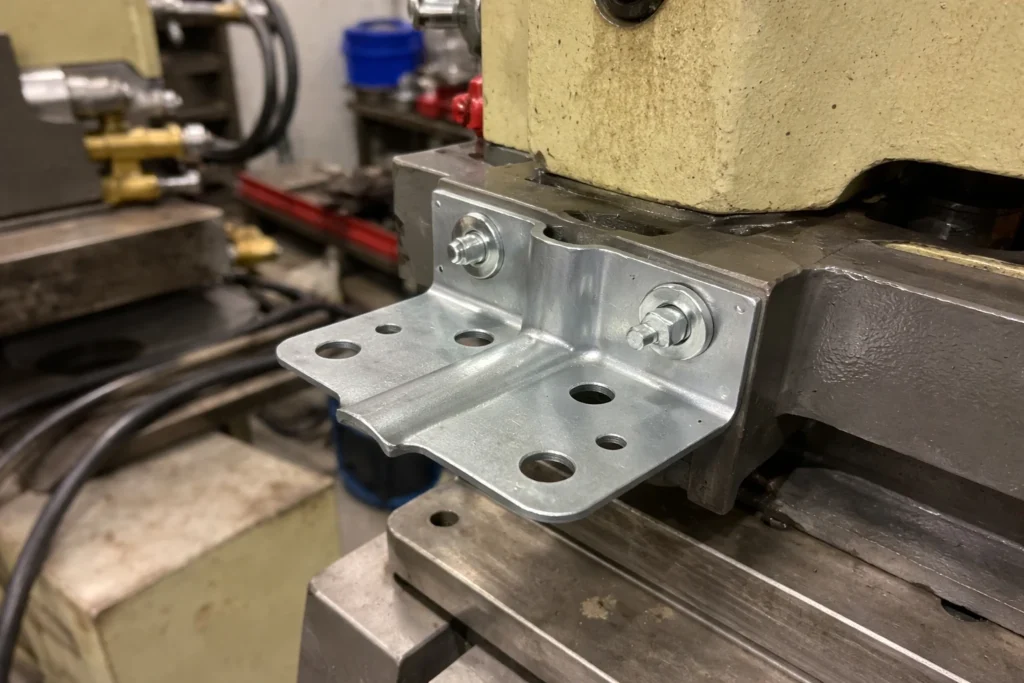
Custom metal stamping part—galvanized stamped steel mounting bracket bolted to industrial machinery in a workshop
  • Industrial Machinery: Pump body, valve components, gearbox, frame
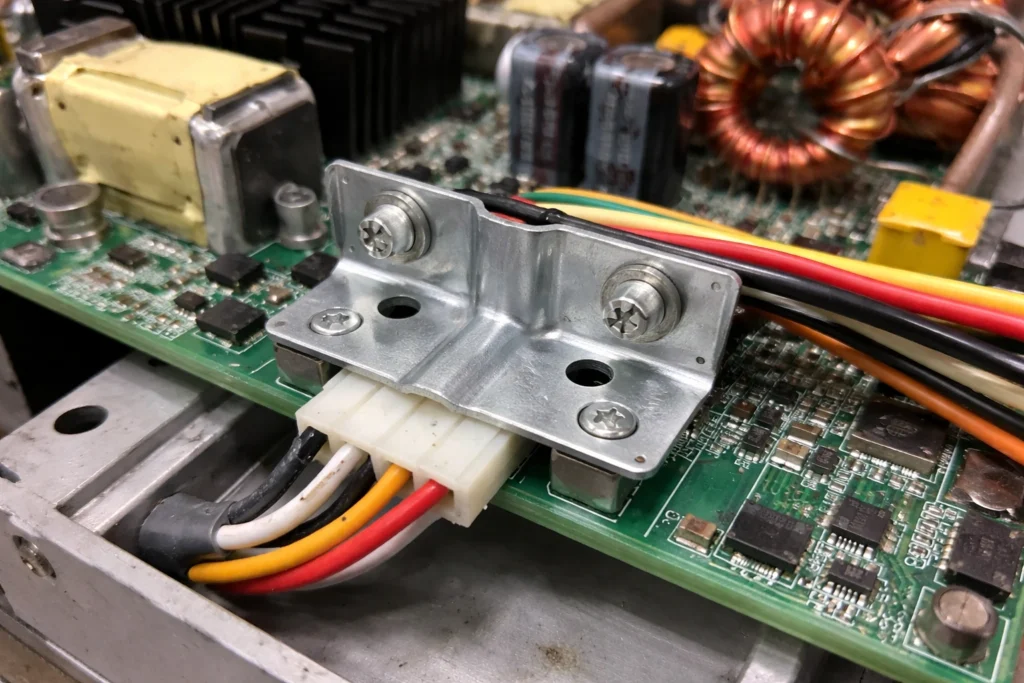
Custom metal stamping part on electronics—stamped steel bracket securing a connector and wire harness on a PCB
  • Electronics: Heat sinks, connectors, housings, and enclosures.
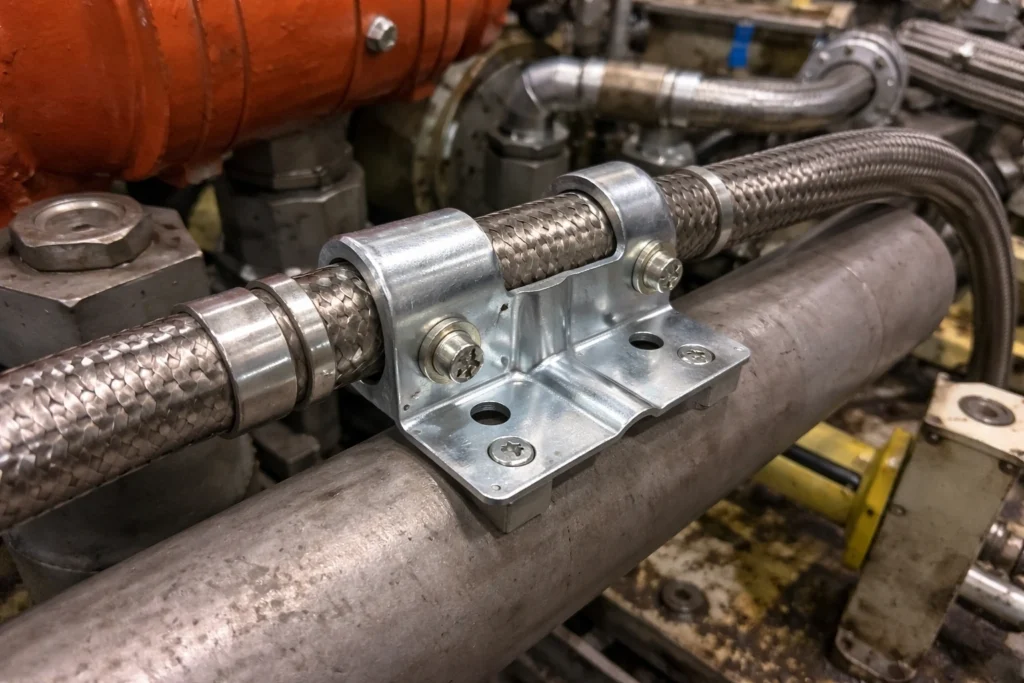
custom stamped part oil gas equipment
  • Energy: Turbine components, oil and gas equipment parts

Metal Stamping Applications: Case Studies

Automotive Bracket Manufacturing

A leading automotive supplier needed to produce 500,000 mounting brackets annually with strict tolerance requirements of ±0.1mm. By implementing progressive die stamping with in-die sensors for real-time quality control, we achieved:

  • 35% reduction in production costs compared to previous machining process
  • 99.8% first-pass yield rate
  • Production rate of 2,000 parts per hour
  • Material waste reduction of 42%

The high-strength steel brackets maintained consistent quality across production runs, meeting all automotive industry standards.

Medical Device Component Production

A medical device manufacturer required precision stainless steel components for a surgical instrument. Using deep draw stamping with specialized tooling, we delivered:

  • Components with tolerances of ±0.025mm
  • Surface finish of 0.4 Ra or better
  • 100% compliance with FDA material requirements
  • Elimination of secondary finishing operations

The seamless, burr-free components significantly reduced assembly time and improved device reliability.

Key Advantages of Metal Stamping

Why do global manufacturers prefer metal stamping parts?

Cost-Efficiency

Once the die is made, per-part cost is low even at high volumes.

High Precision

Tight tolerances and consistent quality make it suitable for demanding industries.

Fast Production

Progressive dies enable thousands of parts per hour — ideal for mass production.

Design Flexibility

Complex geometries and features are achievable with minimal secondary operations.

Custom metal stamping parts on a press table beside a conveyor line, showing precision stamped brackets and clips

Choosing a Reliable Stamping Parts Manufacturer

Working with the right stamping parts manufacturer determines project success. Evaluate based on:

ISO 9001 certification

Proven quality system.

In-house tool & die capabilities

Faster turnaround and customization

Modern stamping equipment

Consistent performance

Skilled engineers

Expert support for DFM (Design for Manufacturing)

Scalable production

Prototype to mass scale

Strict quality checks

Inspection at every stage

Quality Control / DFM / Risk Prevention

Common Stamping Defects & PRIME Prevention Strategies

Stamping defects usually come from material variation, die wear, improper clearance, poor lubrication, or unstable press parameters. PRIME focuses on process control + die maintenance + in-process inspection to keep dimensional stability and surface quality consistent.

Typical Defects (Click to expand)

Each item lists what you see on the part and the most common causes. Use this as a quick reference when reviewing samples or NCRs.

1
Burr / Sharp Edge Excessive burr height, rough cut edge, unsafe handling risk.
  • Likely causes: die wear, wrong punch–die clearance, poor punch alignment, insufficient lubrication.
  • Risk: assembly interference, coating failure, customer safety complaints.
Clearance control Tool wear monitoring Deburr standard
2
Cracks / Edge Tearing Visible splits at bend area or near punched holes.
  • Likely causes: bend radius too small, material too hard/low ductility, grain direction issue, inadequate lubrication.
  • Risk: fatigue failure, leak risk (if sealing feature), scrap spike.
DFM bend radius Material cert check Forming lubrication
3
Wrinkling / Buckling Waves on flange, surface folds after forming.
  • Likely causes: insufficient blank-holder force, wrong draw beads, poor material flow control.
  • Risk: appearance rejection, dimensional drift, poor flatness.
Blank-holder tuning Flow control Flatness inspection
4
Springback / Angle Out of Spec Bend angle opens up; assembly fit becomes unstable.
  • Likely causes: material yield variation, inconsistent press force, inadequate forming compensation.
  • Risk: rework, poor mating with fasteners, tolerance stack-up issues.
Compensation design Press parameter control Go/No-Go gauge
5
Dimensional Drift / Hole Position Error Holes shift, pitch errors, mismatch in assembly.
  • Likely causes: strip feed instability, pilot wear, progressive die timing, thermal or vibration effects.
  • Risk: assembly failure, PPAP rejection, high customer returns.
Feed & pilot control SPC on key dims First-off approval
6
Surface Scratches / Dents Handling marks, die galling, cosmetic defects.
  • Likely causes: dirty tooling, insufficient lubrication, poor part stacking, improper packaging.
  • Risk: coating adhesion issues, appearance complaints, rework cost.
Tooling cleanliness Anti-galling Packaging spec
7
Uneven Plating / Coating Defects (Post-Stamping) Blisters, peeling, thin edges, poor coverage.
  • Likely causes: burrs/surface contamination, trapped oil, poor pretreatment, sharp edges.
  • Risk: corrosion failures, salt spray failure, warranty claims.
Pretreatment control Edge conditioning Cleanliness audit

Need a defect-prevention plan for your part?

Please send your drawings (in PDF/DWG/STEP format) and target specifications. PRIME will respond with a preventive inspection checklist: tooling plan, key quality characteristic control points, and inspection plan.

  • Tip: If you have a required standard (e.g., ISO 9001, PPAP, ASTM, DIN), include it in the RFQ for faster alignment.

FAQS

What information is required to get an accurate quote for custom metal stamping parts?

To generate an accurate and production-ready quotation, the following information is recommended:

  • 2D drawings (PDF) or 3D files (STEP / IGES preferred)

  • Material grade and thickness

  • Estimated annual or project volume

  • Critical tolerances and functional requirements

  • Surface treatment or secondary processes

  • Delivery destination and target lead time

If drawings are incomplete, our engineers can assist with DFM optimization to improve manufacturability, reduce tooling cost, and avoid future production risks.

Material selection depends on strength, formability, corrosion resistance, and application environment. Commonly used materials include:

  • Stainless steel (304, 316, 430)

  • Carbon steel (SPCC, Q235, AISI 1010–1020)

  • Aluminum alloys (5052, 6061)

  • Copper & brass

  • Spring steel

Choosing the right material directly affects tool life, stamping stability, and final part cost. Material recommendations are provided based on your industry standards and performance requirements.

Tolerance capability depends on part geometry, material thickness, and stamping process:

  • Standard stamping tolerance: ±0.1 mm

  • Precision progressive stamping: up to ±0.05 mm

  • Critical functional features: controlled via in-die forming or secondary machining

For tight-tolerance components, we apply process control, tool validation, and in-process inspection to ensure dimensional consistency across mass production.

The choice depends on part structure and production volume:

  • Progressive stamping is ideal for high-volume parts with multiple features, offering high efficiency and stable quality.

  • Deep draw stamping is used for deep, hollow components such as housings and enclosures, requiring uniform wall thickness and structural strength.

Our engineering team evaluates geometry, tolerances, and cost targets to determine the most suitable stamping process.

Typical project timelines are as follows:

  • Tooling design & fabrication: 15–30 days

  • Initial samples: 7–10 days after tooling completion

  • Mass production: 3–5 weeks depending on order quantity

For repeat orders using existing tooling, lead times are significantly shorter. Urgent projects can be supported with expedited production schedules.

Yes. In addition to stamping, we provide integrated secondary services, including:

  • Deburring and polishing

  • Tapping and threading

  • Welding and sub-assembly

  • Heat treatment

  • Surface finishing (zinc plating, powder coating, anodizing, etc.)

Offering one-stop processing helps reduce supply chain complexity, control quality, and shorten overall delivery time.

die stamping and deep draw stamping

Your Trusted Resource for Metal Parts Sourcing

Our Certificate

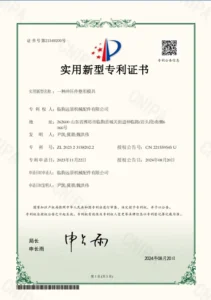
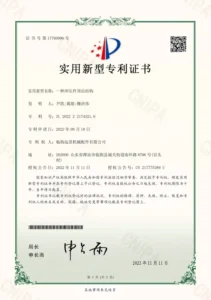
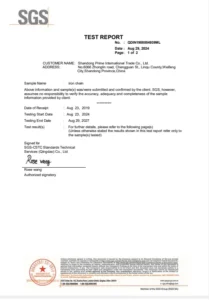
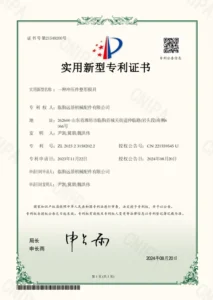
Third-party verification supports supplier approval. Below are our ISO 9001 certificate, SGS test report, and CNIPA utility model patents. If you need a PDF copy for internal review, tell us which document you require.

Get a Free Quote

Start Your Project Today

Looking for stamping parts a trusted global partner? Whether you’re sourcing 1,000 units or 1 million, we deliver precision metal stamping that meets your requirements.

Free consultation

Engineering support

Fast global delivery

Competitive pricing

Stop overpaying. Start scaling. Partner with a manufacturer that delivers results.

Get a Free Quote

And get a 24h response from our expert team. Let us help you reduce costs, improve quality, and accelerate your project timeline.

Send a message