
What liquid is used to harden steel?

Hardening steel is an important process in metalworking, and one of the key steps involves quenching—rapidly cooling the heated metal to lock in its hardness. But what exactly is the liquid used to harden steel, and how does it affect the metal’s properties? In this article, we will explore the liquids commonly used for quenching […]
What happens to steel when forged?
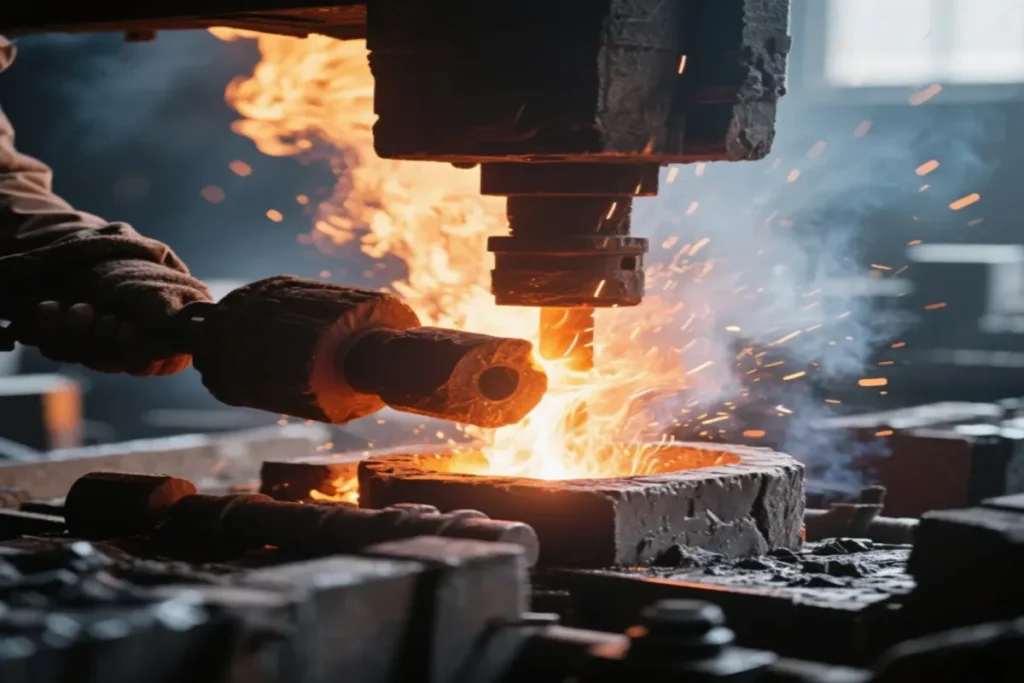
Forging steel is a time-tested technique used to shape metal into tools, parts, and other components by applying heat and pressure. But what exactly happens to steel during this process? Forging changes the structure of the steel, improving its properties like strength, toughness, and durability. In this article, we’ll explore how forging affects steel, including […]
How hot can a single burner forge get?
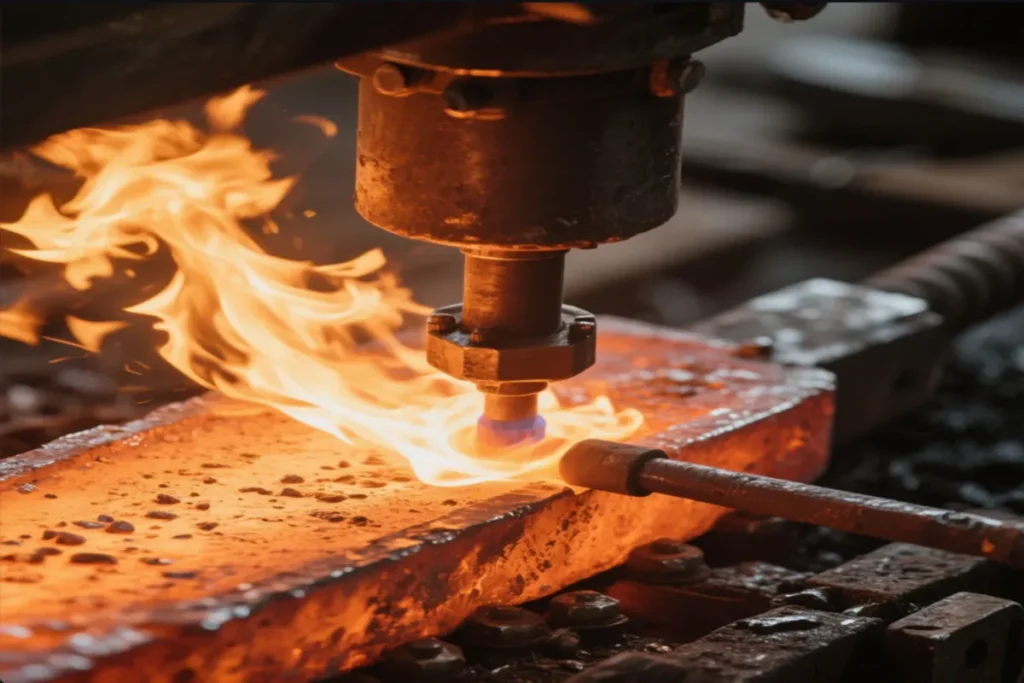
A single burner forge is a popular choice for blacksmiths and hobbyists who want to heat metal for forging or other metalworking tasks. But just how hot can a single burner forge get, and is it capable of reaching the high temperatures needed for various metalworking projects? In this article, we’ll explore the temperature capabilities […]
How hot does copper have to be to forge?
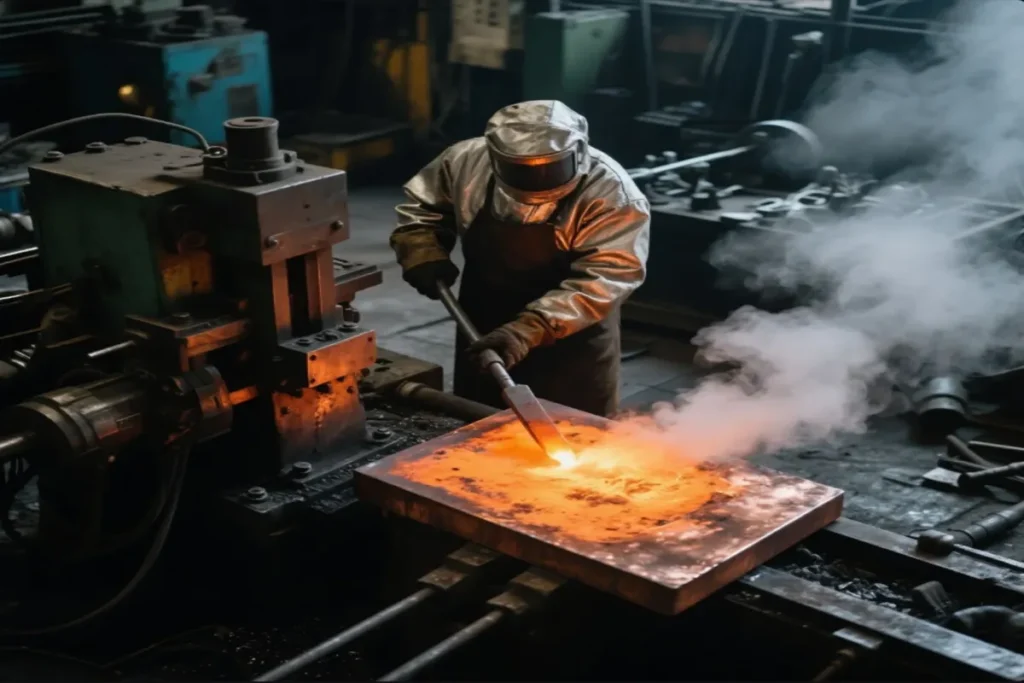
Copper is a popular metal used in various industries due to its excellent conductivity and malleability. When it comes to forging copper, understanding the correct temperature is crucial to ensure the metal is both workable and maintains its properties. In this article, we’ll explore the ideal temperatures for forging copper, how hot it needs to […]
How hot does a forge need to be to melt steel?
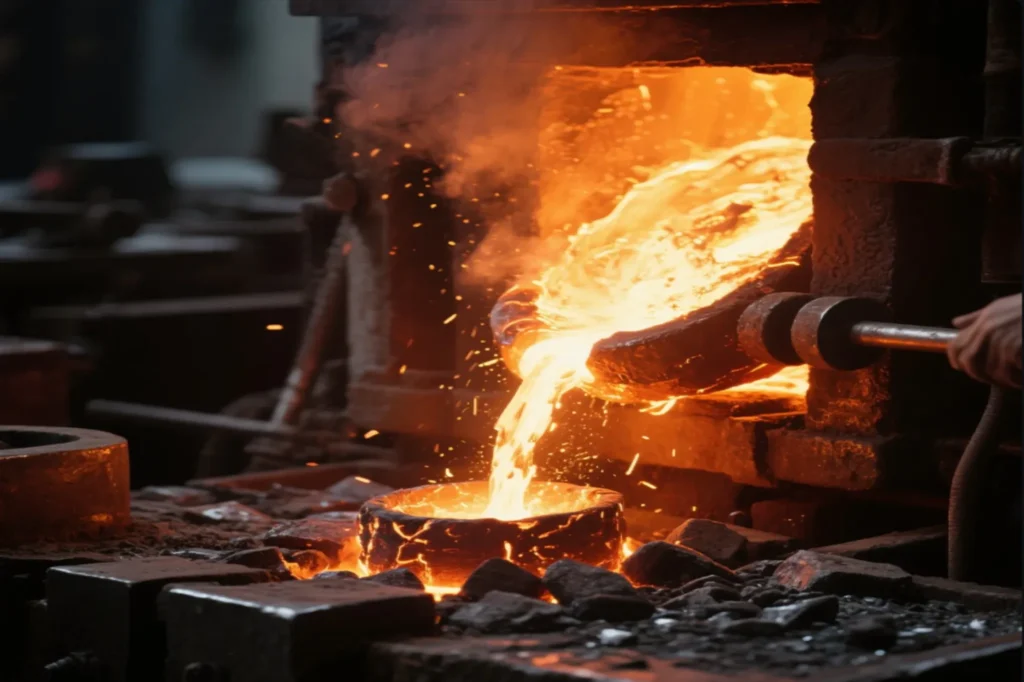
Forging steel requires high temperatures to make it malleable, but melting steel takes much more intense heat. Many people wonder what temperature is necessary for a forge to melt steel, especially if they are considering melting or working with metal at home. In this article, we’ll dive into the temperature requirements for melting steel and […]
What is fullering in forging?
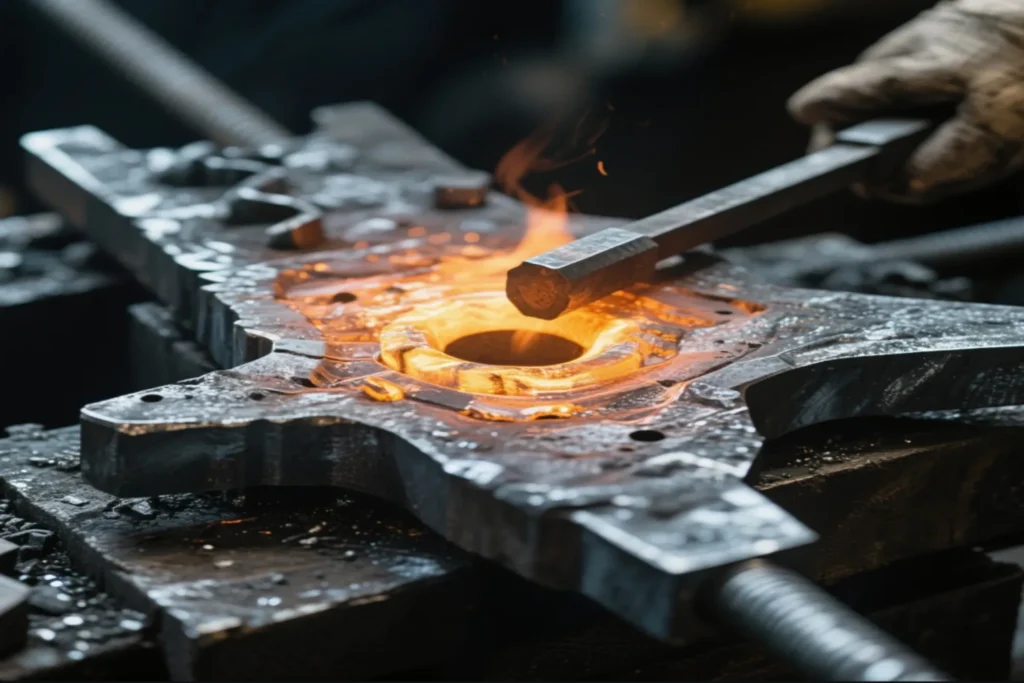
In forging, fullering is an important technique used to shape and refine metal. It is a process commonly employed in blacksmithing to narrow or groove a piece of metal, making it easier to form and manipulate. Fullering plays a significant role in ensuring that the metal is prepared correctly for the next steps in the […]
What metals cannot be forged?
Metal forging is a popular technique used to shape various metals into parts with high strength and durability. However, not all metals can be forged effectively. Many customers ask about the limitations of metal forging to better understand which materials can benefit from the process. Here’s an exploration of metals that cannot be forged and […]