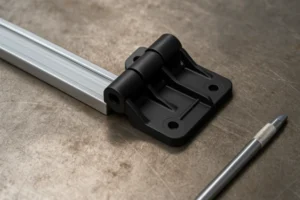

Custom Plastic Parts – Made Since 1993

We supply injection molded and CNC-machined plastic components to automotive, medical, electronics, and industrial equipment companies in North America, Europe, and Asia — with ISO 9001-certified production and in-house tooling.

Custom made plastic parts

Custom made plastic parts

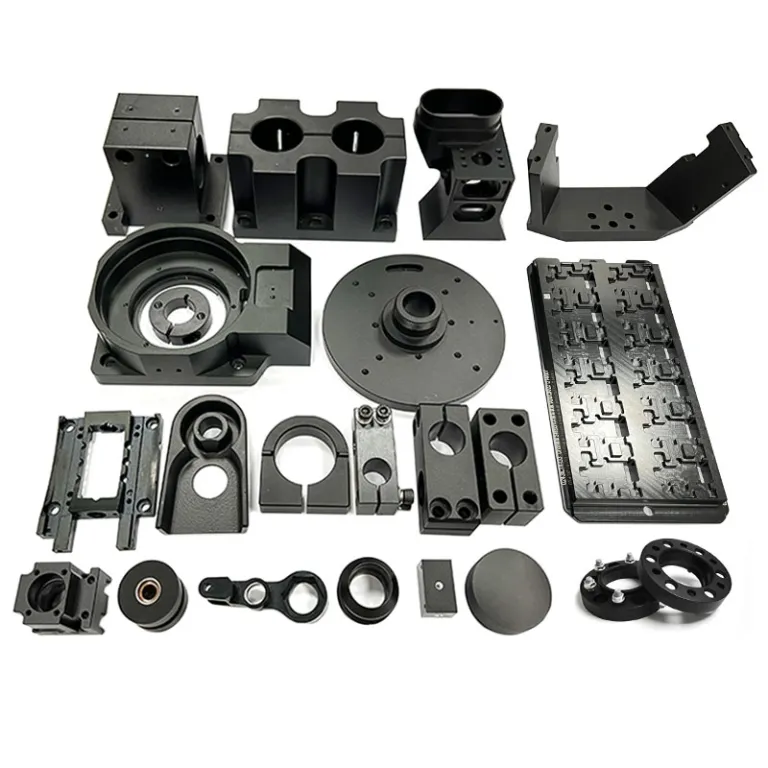
Custom metal-plastic parts are widely used in many industries, such as automotive, electronics, medical, home appliances, aerospace, industrial equipment and other fields. Due to the good combination of metal and plastic, customized metal-plastic parts play an important role in improving product performance, reducing weight and reducing cost. They can be used in a variety of demanding work environments.

Table of Contents

Your Reliable Partner for Industrial Plastic Parts

Prime combines certified quality, deep engineering know-how, and real in-house capacity to deliver custom plastic parts that are consistent, cost-effective, and easy to source.

ISO 9001 Certified Quality

Our entire production process is ISO 9001 certified. Every batch is traced and inspected from raw material to final checks, so each part meets stringent international standards and your drawings.

30+ Years of One-Stop Experience

Since 1993, we have mastered the full chain from mold design and tooling to molding, machining and final packaging – reducing your coordination workload and communication cost.

10+ Production Lines for Speed & Flexibility

Our in-house capacity supports both prototype runs and large-volume orders, with stable lead times that keep your projects and maintenance plans on schedule.

Competitive Pricing Through Efficiency

By optimizing tooling, cycle times and our supply chain, we offer competitive B2B pricing without cutting corners on materials or quality control.

Dedicated Engineering Support

Our engineers work directly with your team on material selection, DFM, and tolerance analysis, helping you achieve reliable, cost-effective designs from the first sample.

Application fields of customized plastic parts

Here are some real-world examples of how Custom plastic Parts can be used in different industries (automotive, medical, electronics, etc.) and how Prime Custom Parts can address customer pain points.

Lightweight, Durable Components for Modern Vehicles

Automotive Industry: Lightweight, Durable Components for Modern Vehicles

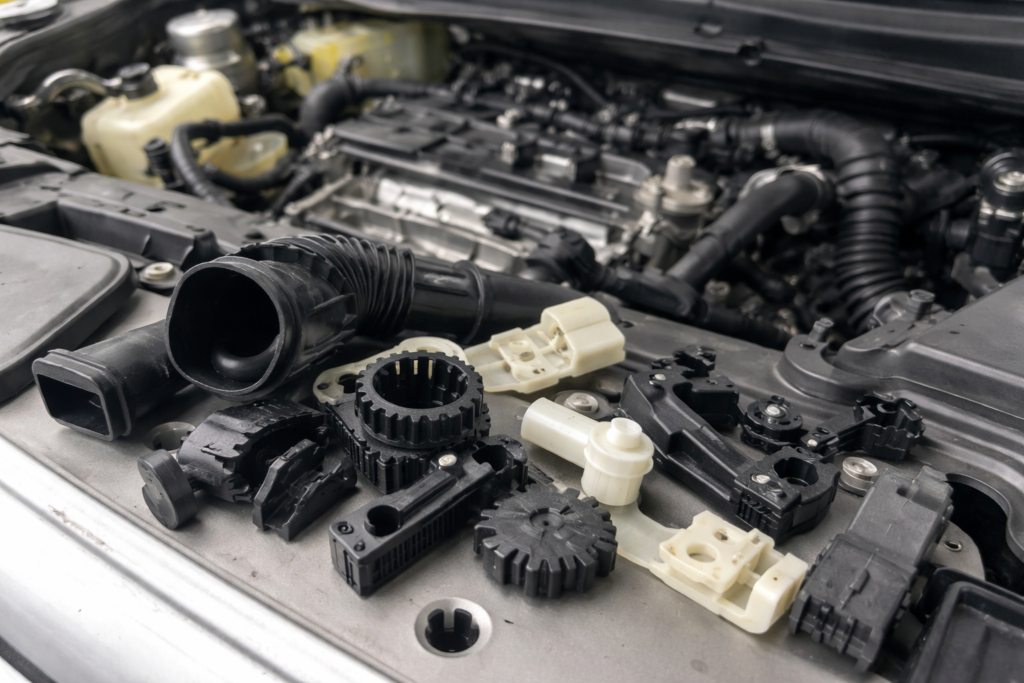
A leading automotive manufacturer needed custom-engineered plastic housings for their new electric vehicle platform. Their challenge was to reduce overall vehicle weight while maintaining exceptional durability and heat resistance.

Prime Custom Parts Solution:

We worked closely with their engineering team to select advanced, high-strength polymers and optimized the injection molding process to deliver precision components with tight tolerances. The result: A 20% reduction in part weight, faster assembly times, and components that passed all OEM reliability tests.

Medical Devices: Precision and Biocompatibility in Life-Critical Equipment

A medical device company required complex, biocompatible plastic enclosures for portable diagnostic equipment. Their pain points included strict compliance standards (ISO 13485) and the need for rapid prototyping to accelerate product launch.

Prime Custom Parts Solution:

Our team recommended certified medical-grade plastics and leveraged rapid tooling for fast turnaround. We ensured all parts met cleanroom manufacturing standards and delivered prototypes within two weeks—helping the client bring their device to market ahead of schedule, with full regulatory compliance.

The custom plastic components on the hospital equipment cart showcase precision-molded connectors and transparent tubing fittings used in biocompatible applications.
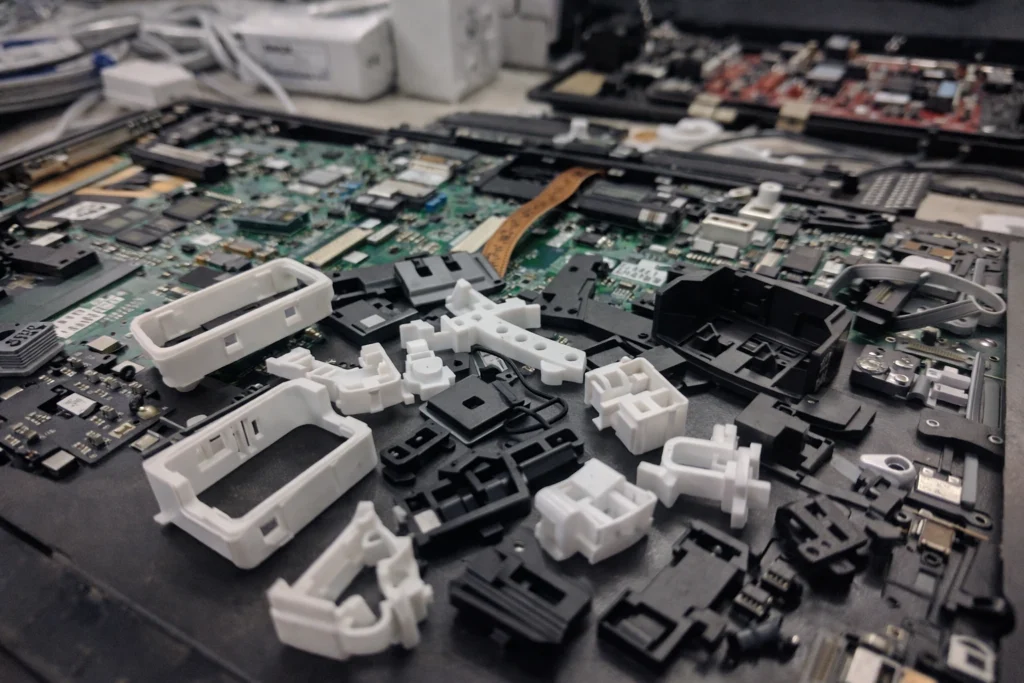
Custom-designed, high-performance plastic parts are distributed across the circuit board for use in smart electronic devices.

Electronics: High-Performance Plastics for Smart Devices

An electronics OEM was developing a new generation of smart sensors for industrial automation and needed custom plastic enclosures with ESD protection and superior finish. The main challenge: combining complex geometries with EMI shielding requirements.

Prime Custom Parts Solution:

We provided material consulting, recommending conductive plastics, and integrated over-molding technology for EMI shielding. Our precision CNC machining delivered flawless, ready-to-assemble parts that improved the product’s reliability and reduced field failure rates.

Manufacturing process of main plastic parts

Metal-plastic parts can be divided into several main types according to different processes, each process has different characteristics and application fields. The following are some common metal-plastic processes and their characteristics and applications:

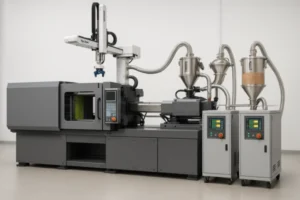
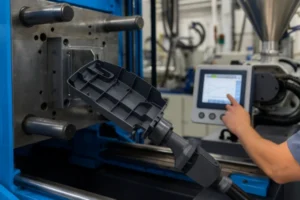
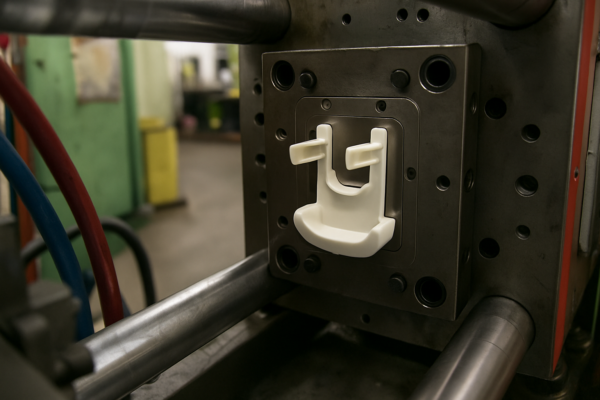
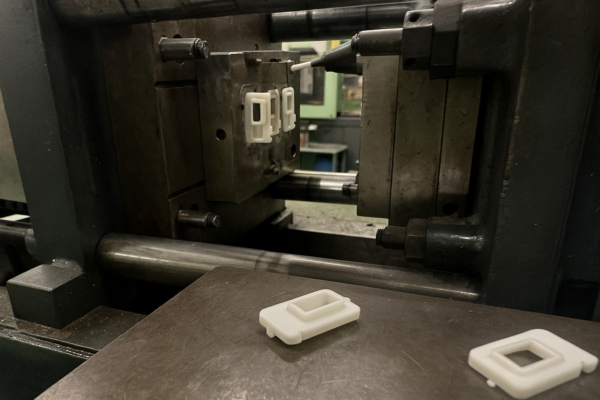
Injection molding machine producing a custom plastic part as the mold opens and the white component is ejected during production.

Injection Molding

Features:

Injection molding offers high efficiency, excellent consistency, and is ideal for producing complex, high-precision plastic parts in large volumes. It supports a wide range of materials and is widely used in automotive, electronics, medical, and consumer products.

Applications:

Injection molding is perfect for mass-producing complex plastic parts with consistent quality. It’s widely used in automotive, electronics, and medical device manufacturing.

Thermoforming

Technical Parameters:


Thermoforming typically uses plastic sheets heated to 100–200°C, then shaped over molds using vacuum or pressure, allowing for wall thicknesses from 0.25 mm to over 8 mm. It is compatible with a wide range of thermoplastics such as ABS, PET, and polycarbonate for both small and large parts.


Advantages:


Thermoforming offers fast prototyping and lower tooling costs compared to injection molding, making it ideal for moderate production runs. It enables the creation of lightweight, durable, and large-sized components with complex shapes and fine details.

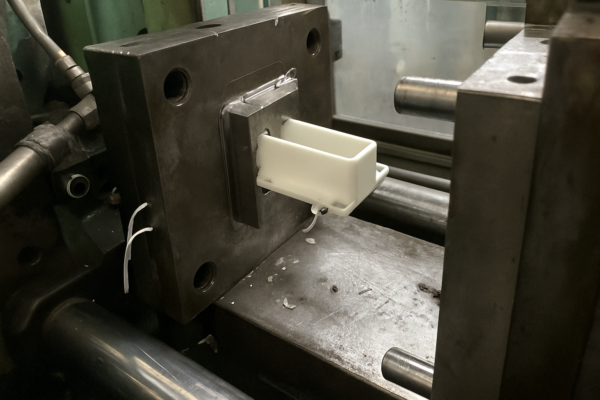
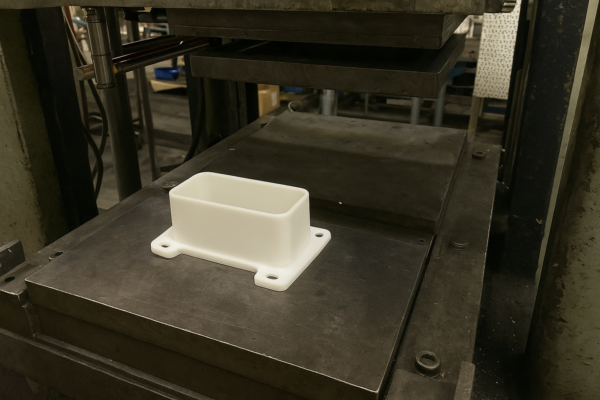
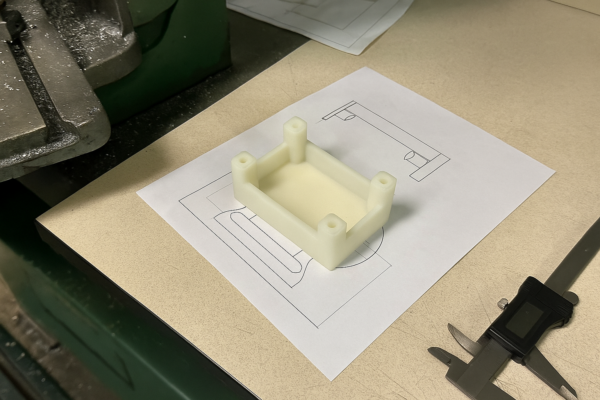
Custom molded plastic tray component on an industrial molding tool, showing a newly formed white part during production.
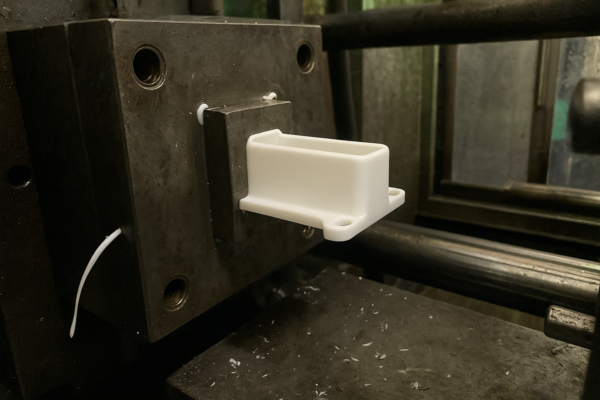
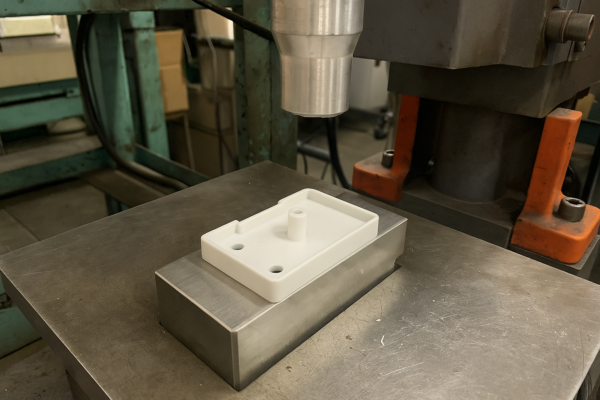
Custom molded white plastic housing component on an industrial press tool, demonstrating OEM plastic part production on the shop floor.

Extrusion Molding

Technical Parameters:

Extrusion molding applies high pressure to force heated plastic or metal material through a shaped die, enabling continuous production of profiles with complex cross-sections. The process supports a wide range of thermoplastics, thermosets, and aluminum alloys, with output rates and tolerances determined by material type and die design.

Advantages:

Extrusion molding delivers high efficiency, low material waste, and is ideal for producing long, uniform parts with consistent cross-sections. It offers great flexibility for customizing shapes and can integrate additional features such as grooves or internal cavities.

Metal Injection Molding (MIM)

Technical parameters:


Metal Injection Molding (MIM) combines Powder metallurgy and injection molding techniques and is suitable for complex three-dimensional shapes, high precision and mass production with typical tolerances up to ± 0.3% . The process can handle iron-based, titanium alloy, stainless steel and other metal materials, commonly used in the wall thickness of 0.5 mm, the density of more than 97% of precision parts manufacturing.


Scenario:


Metal Injection Molding (MIM) is widely used in the manufacture of high-precision small structural parts in automobile, medical equipment, electronic products and aerospace industries. It is especially suitable for producing metal parts with complex shape, large batch and high requirement for mechanical properties.

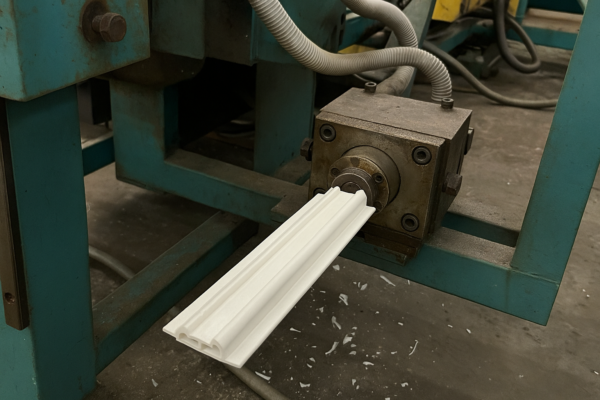
Plastic extrusion process producing a custom white profile as it exits the extrusion die on industrial manufacturing equipment.
Thermal Riveting

Thermal Riveting

Technical Parameters:


Hot riveting typically operates at temperatures ranging from 150°C to 350°C, using controlled pressure and dwell time to securely deform and fasten thermoplastic or metal rivets. The process offers high repeatability and is suitable for a variety of part geometries and joint strengths.


Application Scenarios:


Hot riveting is widely used in automotive components, electronic housings, and household appliances for creating strong, permanent joints without adhesives or screws. It is especially suitable for mass production environments requiring rapid, automated assembly of plastic and metal parts.

Ultrasonic Welding

Technical Parameters:


Ultrasonic welding operates at frequencies typically between 20 kHz and 40 kHz, using high-frequency vibrations to generate localized heat and bond thermoplastics or metals without the need for adhesives or additional heat sources. Key parameters include amplitude, welding time, pressure, and energy, which are precisely controlled to ensure strong, clean welds with minimal material deformation.


Application Scenarios:


It is widely used for joining plastic parts in the automotive, electronics, and medical device industries, such as bonding housings, filters, and electrical connectors. Ultrasonic welding is also ideal for applications requiring clean, particle-free joints and fast, repeatable production cycles.

Ultrasonic Welding
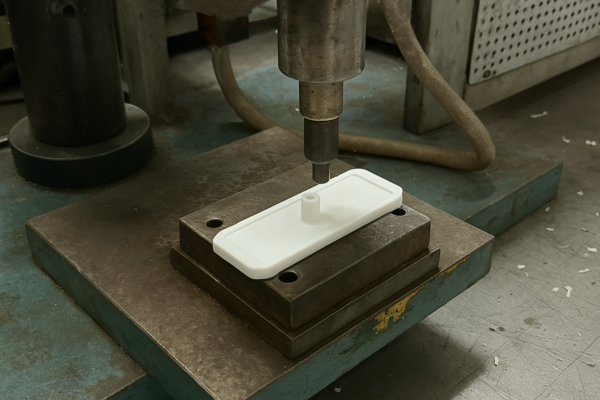
Ultrasonic welding or heat staking station assembling a custom molded plastic component on a metal fixture, showing OEM plastic part production.

Compression Molding

Technical Parameters:


Compression molding involves placing preheated plastic material into a heated mold cavity, then applying pressure (typically 5–50 MPa) and temperature (usually 120–200°C) to shape and cure the part. Key parameters include mold temperature, compression pressure, dwell time, and material viscosity, all of which affect the part’s dimensional accuracy and mechanical properties.


Application Scenarios:


This process is commonly used for producing large, complex, or high-strength plastic components such as automotive bumpers, electrical housings, and appliance panels. It is especially suitable for thermosetting plastics and composite materials that require precise molding and superior structural integrity.

These metal-plastic processes have different characteristics and application fields. Selecting the appropriate process can not only meet the design requirements, but also effectively control the cost and improve the performance and quality of the products. In the actual production, according to the demand and industry standards to select the appropriate process is crucial.

Common materials for custom plastic parts

Use this quick-reference table to compare popular engineering plastics by properties, typical applications, and notes for manufacturing. (Injection molding / CNC machining / surface finishing considerations.)

✔ Engineering-grade options ✔ Mold & CNC friendly ✔ Practical selection notes
Custom Plastic Materials Cheat Sheet
Material Common Grades Key Properties Typical Applications Selection Notes
ABS General / Flame-retardant Tough, easy to mold, good surface finish Housings, brackets, consumer & industrial covers Accepts painting, plating, and textured finishes; moderate heat resistance
PC (Polycarbonate) Optical / UV-stabilized High impact, transparent options, good heat Guards, lenses, transparent covers Watch stress cracking; consider radius & proper gating
PC/ABS Impact / FR blends Balanced toughness + processability Electrical enclosures, automotive interiors Great all-rounder for tight cosmetic requirements
PA6 / PA66 (Nylon) GF15–GF30 / heat-stabilized Strong, wear-resistant, good fatigue Gears, levers, clips, structural parts Moisture absorption affects dimensions; define conditioning
PA12 Low-moisture / flexible Better dimensional stability vs PA6/66 Fluid fittings, housings, functional prototypes Often chosen when tight tolerance matters in nylon family
POM (Acetal) Copolymer / Homopolymer Low friction, excellent wear, stable Precision gears, bushings, sliding components Great for tight tolerance; avoid strong acids/oxidizers
PP Copolymer / filled Lightweight, chemical resistant, fatigue hinge Containers, covers, chemical handling parts Lower stiffness; add ribs; check shrink & warpage
HDPE High-density Excellent chemical resistance, tough Linings, tanks, wear strips Soft for precision features; consider inserts for threads
PMMA (Acrylic) Optical High clarity, good UV resistance Light covers, display parts, windows Brittle vs PC; avoid sharp corners; polish-friendly
TPU Shore 70A–95A Elastic, abrasion resistant Seals, gaskets, protective covers Define hardness & compression set requirements
PBT GF / FR Dimensional stability, electrical performance Connectors, sensor housings, electrical parts Often used for electrical; check creepage/CTI needs
PPS GF40 / mineral filled High heat, chemical resistance, rigid Automotive under-hood, pump parts Premium option; stable at temperature, but more brittle
PEEK Virgin / GF / CF High temperature, high strength, chemical resistant Aerospace, medical (spec-dependent), high-load parts High cost; define annealing & machining allowances if CNC
PTFE (Teflon) Virgin / filled Ultra-low friction, chemical inert Seals, liners, sliding bearings Soft material; consider backing/support design

Tip: For faster quoting, provide material, color, finishing, tolerance, and annual volume (prototype vs mass production).

Notes: Properties vary by grade, filler, and processing method. For critical applications, confirm datasheets, service temperature, chemical exposure, and compliance requirements (e.g., ROHS/REACH/UL/food-contact as applicable).

The Common Pitfalls When Purchasing

Please note that the final cost depends on the customized service you require, the specifications of the raw materials used, the relevant national laws, and the distance of transportation. Take the example of booking a tall container of products:

Our Work: A Glimpse into Our Capabilities

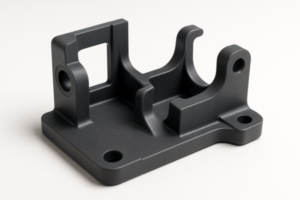
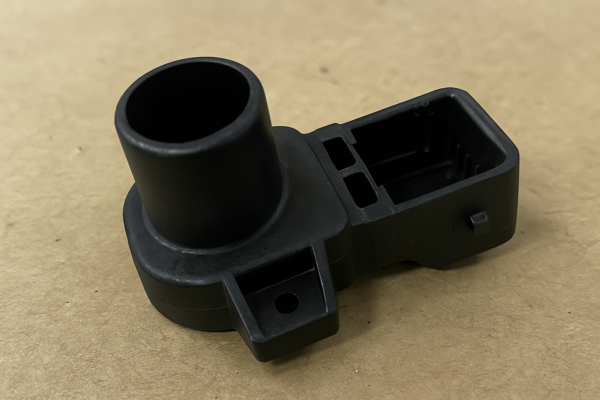
Automotive Sensor Housing
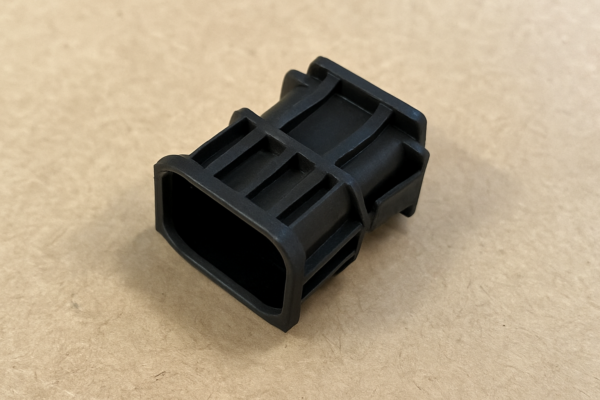
Heavy-Duty Sensor Connector Housing

The Process Flow & Duration Estimation

Please note that the final cost depends on the customized service you require, the specifications of the raw materials used, the relevant national laws, and the distance of transportation. Take the example of booking a tall container of products:

Step 1: Design and development

Design and development
Injection molding die and mold producing a custom white plastic clip part, showing OEM plastic tooling and production on the factory floor.

Step 2: Design and manufacture of die and mould

Step 3: Raw material preparation

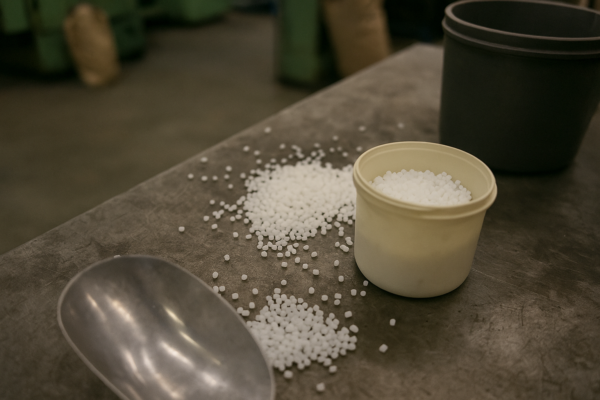
Plastic resin pellets and raw material scoop on a factory workbench, preparing polymer feedstock for injection molding production.
Injection molding machine producing custom white plastic components, with molded parts placed on the press table during OEM production.

Step 4: Implementation of production process

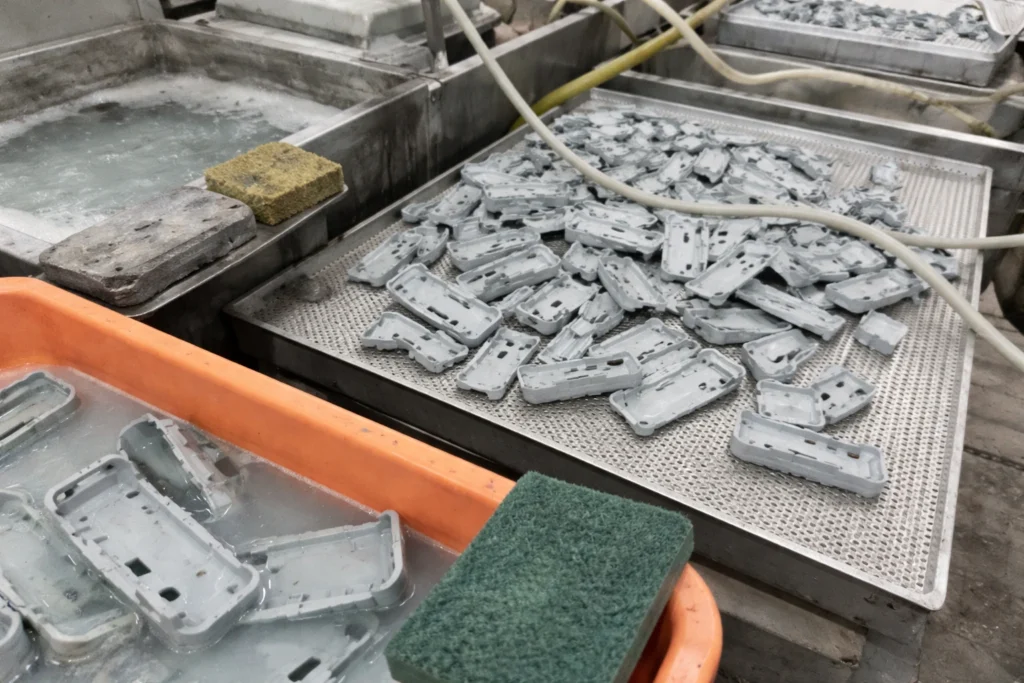
Step 5: Surface treatment

Surface treatment
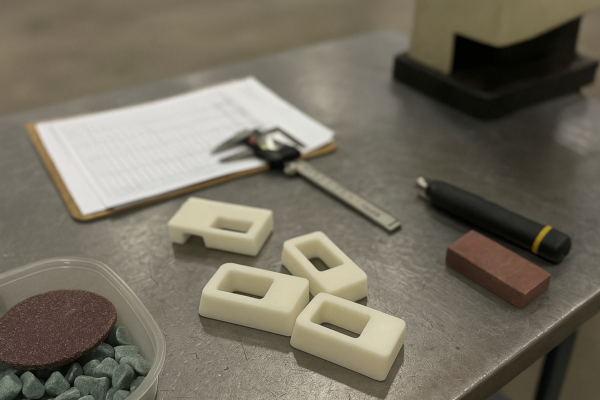
Quality Control and inspection

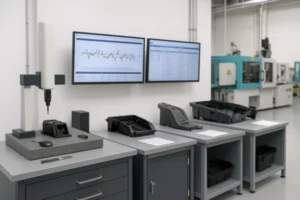
Step 6: Quality Control and inspection

Step 7: Packaging and delivery

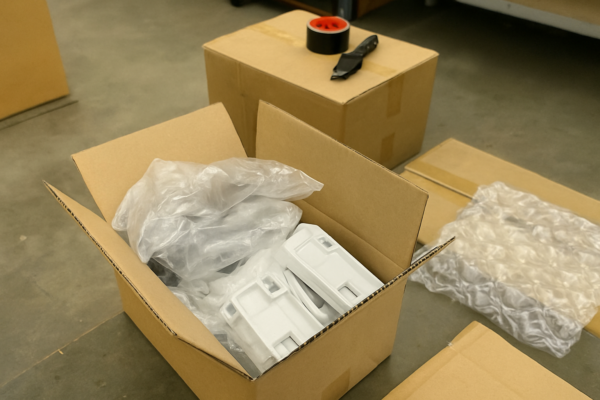
Export packaging for custom plastic parts with protective PE bags and cartons, showing OEM order packing and delivery preparation.
Container cargo ship transporting stacked shipping containers for international logistics and global delivery of OEM custom parts.

Step 8: Delivery of finished product

Upon completion of all inspection and post-processing, the castings will become the final product, ready to be delivered to the customer or used for assembly.

Ready to take your project to the next level?

Contact us today to discuss your manufacturing needs or request a free quote tailored to your specifications.

Surface finishing that sells your part at first glance

Custom Plastic Parts Surface Finishing
that Looks Premium and Works Better

From cosmetic textures to functional coatings, we help you choose a finish that matches your part’s purpose: appearance, wear resistance, grip, sealing, printing, bonding, or easy cleaning. Share your drawing + target look, and we’ll recommend the right finishing route.
Prototype → mass production Color + texture matching DFM-friendly recommendations
Tip: Include your target gloss/matte level, color reference (Pantone/RAL), texture code (if any), and the application environment (UV/chemical/wear).
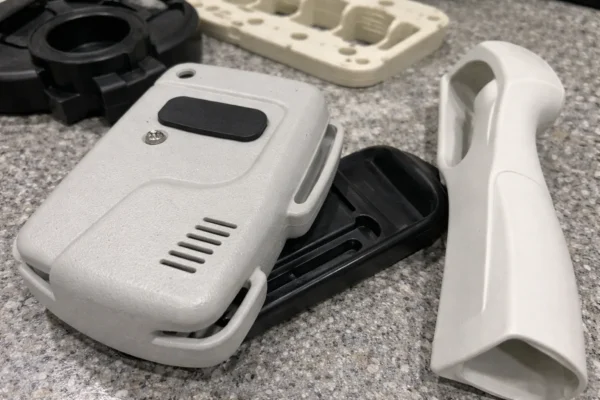
Close-up of finished custom plastic parts showing cleansurface texture and consistent appearance

Finishes You Can Specify (and We Can Repeat)

Pick the look. Tell us the function. We’ll engineer the finish so every batch matches.

Cosmetic Appearance

Make the part look “brand new” and high-end—without over-costing.

  • Matte / semi-gloss / high gloss control
  • Texture patterns (anti-fingerprint, leather-like, fine sand)
  • Color matching with stable batch consistency

Functional Performance

For wear, friction, sealing, chemicals, UV, or easy-clean requirements.

  • Deburring + edge smoothing (touch-safe handling)
  • Coatings for abrasion / UV / chemical splash resistance
  • Surface prep for sealing and long-life mating

Marking, Printing & Bonding

Make your logo/labels stick, and your assemblies hold under stress.

  • Surface activation / primer for stronger adhesion
  • Logo-ready textures (print-friendly, less smearing)
  • Improved bonding for insert-molding or assembly glue

Our Finishing Workflow (Simple, Repeatable, Documented)

We control the details that buyers care about: appearance consistency, measurable function, and stable delivery.
1
Target definition
Gloss/matte, texture, color reference, and usage environment (UV/chemicals/wear).
2
Surface preparation
Cleaning, deburring, smoothing, and prep method selected by plastic type and finish goal.
3
Finishing execution
Texture/coating/marking process applied with in-process checks for consistency.
4
Inspection + packaging
Visual criteria, functional check (if needed), then protective packing to avoid scratches in transit.
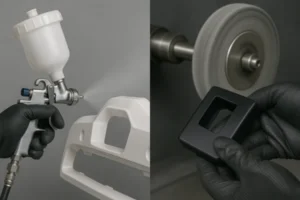
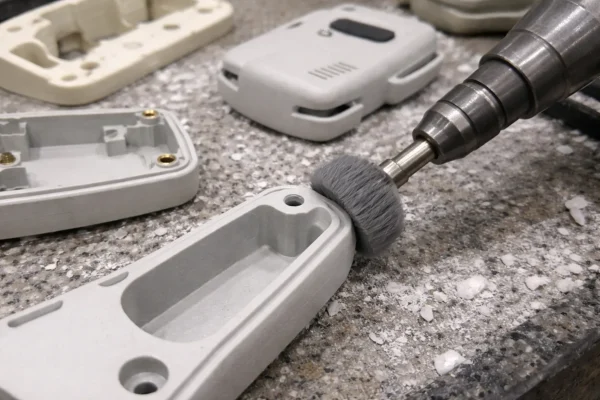
Deburring and edge smoothing on a custom plastic part using a rotary abrasive brush during surface finishing.
Finish option What it’s for Common materials Notes
Matte / Gloss Control Premium look, anti-fingerprint feel ABS / PC / PA / POM Appearance criteria can be agreed with samples
Texture / Grip Surface Better handling, reduced glare ABS / PA / PP Texture depth can be customized
Protective Coating Wear, UV, splash resistance PC / PA / POM Choose coating based on environment & lifespan
Print/Label Ready Prep Stable logo marking, less peeling ABS / PC / PP Surface activation / primer available
Deburr + Edge Smoothing Touch-safe edges, better fit All plastics Recommended for handheld/medical housings
Need something special? Tell us your standard and acceptance rule (AQL / cosmetic criteria / adhesion test), and we’ll build it into the control plan. You can attach drawings in PDF/STEP/DWG.
Want a finish recommendation that matches your market?

Send your part drawing + target look (photo/reference). We’ll reply with a suggested finishing route, key risks (scratches, color shift, adhesion), and a practical inspection checklist.

Surface Finishing FAQs

Quick answers buyers and engineers ask before approving a plastic part finish.

Industry trends in custom plastic parts

The Future of Plastic Parts Manufacturing

The plastics manufacturing industry is rapidly embracing sustainable materials, such as bioplastics and recycled polymers, to reduce environmental impact and meet global eco-standards. At the same time, smart manufacturing and automation—powered by advanced robotics, IoT, and data analytics—are driving greater efficiency, precision, and flexibility across production lines.

By integrating these cutting-edge trends, our company is committed to delivering high-quality, environmentally responsible plastic components while leading the way in intelligent, automated manufacturing solutions for the future.

custom plastic parts

FAQS

What is your minimum order quantity (MOQ) for custom plastic parts?

Our MOQ varies depending on part complexity and material, but most custom plastic components start from 200–500 pcs. For development projects, we also support small trial batches to help you validate design and performance.

We accept all major 2D and 3D engineering formats, including:
STEP (.step / .stp), IGES (.igs), Parasolid (.x_t / .x_b), CAD (.dwg / .dxf), and PDF for drawings.
Providing a 3D model ensures faster and more accurate quoting.

Lead time depends on mold complexity, but typical timelines are:

  • Simple molds: 15–20 days

  • Medium-complexity molds: 20–30 days

  • High-precision or multi-cavity molds: 30–45 days

After mold approval, the first batch of parts is usually delivered within 5–10 days.

Quality is controlled through our full ISO 9001 system, including:

  • IQC – Incoming Material Inspection

  • IPQC – In-Process Quality Control during molding and machining

  • FQC / OQC – Final and Outgoing Inspection

  • Dimensional reports, hardness tests, fitment checks, and optional PPAP elements for OEM programs

Every batch is fully traceable to tooling, material lot, and process parameters.

Absolutely. Our engineering team can recommend materials based on temperature requirements, impact strength, UV exposure, chemical resistance, insulation properties, and more.
Common options include: ABS, PC, PA66, PA66-GF30, POM, TPU, PP, PE, and high-performance engineering plastics if needed.

Our Certificate

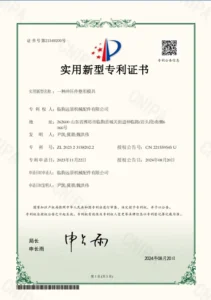
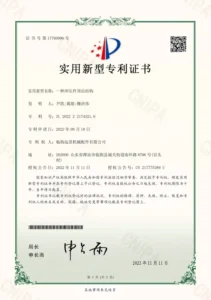
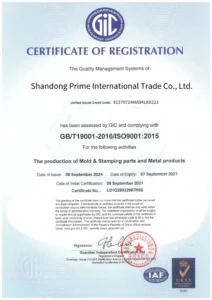
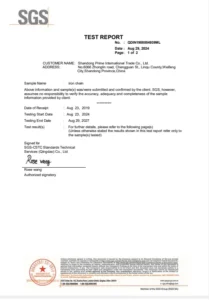
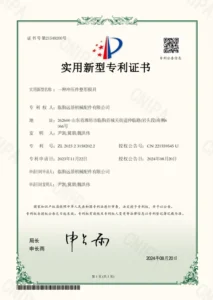
Third-party verification supports supplier approval. Below are our ISO 9001 certificate, SGS test report, and CNIPA utility model patents. If you need a PDF copy for internal review, tell us which document you require.

A Brief Self-Nomination​, Why Choose Prime?

Choose Us, you will get reasonable prices, high quality, on time delivery of plastic parts solutions.

This image shows two engineers or technicians wearing safety helmets and protective workwear engaged in a discussion inside a factory or industrial workshop. One engineer is holding a digital tablet, likely reviewing plans or data, while the other is holding an industrial power tool. The background features various equipment and machinery, highlighting a modern and collaborative manufacturing environment.

Experience: we have more than 30 years of plastic parts production experience, can provide high-quality custom metal plastic parts for the industry.

Professional team: Our engineering team is familiar with plastic parts technology and can provide accurate design and production services.

Quality assurance: We are ISO 9001 certified to ensure that each plastic part meets the highest quality standards.

Rapid Response: We are committed to providing fast sample production and production cycle, to ensure that your needs can be met in a timely manner.

Global Services: No matter where you are, we can provide you with quality services to ensure the smooth progress of your business.

Your Trusted Resource for Metal Parts Sourcing

Get in touch

Custom Hardware Parts Made Easy

At Prime, we simplify the process of sourcing high-quality, customized hardware parts for your business. Follow these three simple steps to get started:

Tell Us Your Requirements

Share detailed information about your needs, including drawings, reference images, and any specific ideas or specifications you have in mind.

Receive Tailored Solutions & Quote

Based on your requirements and design, we’ll provide a custom solution and send you a detailed quote within 24 hours.

Approve for Production

Once you approve the design and quote, we’ll begin mass production and take care of the shipping, ensuring timely delivery.

Get a Free Quote

Reach out to us for a free quote and expert advice on your custom hardware needs. At Prime, we’ll provide the right solution for your project, ensuring quality and precision every step of the way.

Send a message