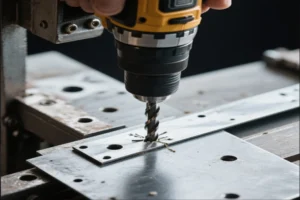
How do you use a sheet metal deburring tool?
Rough edges on sheet metal are more than cosmetic—they create safety hazards and interfere with assembly. To use a sheet metal deburring tool, glide the

Rough edges on sheet metal are more than cosmetic—they create safety hazards and interfere with assembly. To use a sheet metal deburring tool, glide the
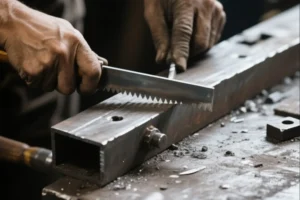
Cutting metal by hand can feel tough—unless you have the right tool for the job. The easiest way to cut metal by hand is with
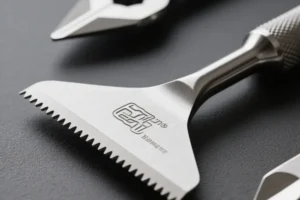
Rough metal edges aren’t just ugly—they can be dangerous or lead to product failure. The best tool for smoothing metal edges depends on your part
Sharp edges on sheet metal aren’t just unsafe—they can ruin your entire assembly. To dull the edge of sheet metal, use sanding, filing, edge rounding,
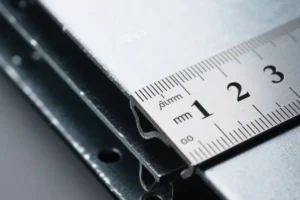
Too short a hem can lead to tearing, weak edges, or rejected parts. The hem on sheet metal should be at least 4× the material
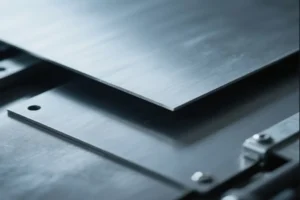
Designing parts too thin can cause cracking, distortion, or tool failure. The minimum thickness for sheet metal is typically 0.5 mm for most applications. Below
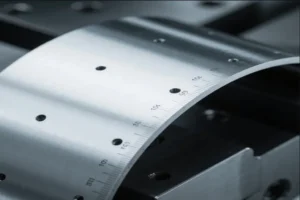
Placing a hole too close to a bend can crack your part—or break the tool. As a rule of thumb, holes should be placed at
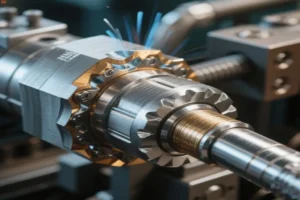
Welding tungsten is possible—but it’s one of the most difficult metals to join. Yes, tungsten can be welded, but it requires high temperatures, inert gas

Hard steel is tough for a reason—cutting it requires power, precision, and the right tools. The best way to cut hardened steel is using an
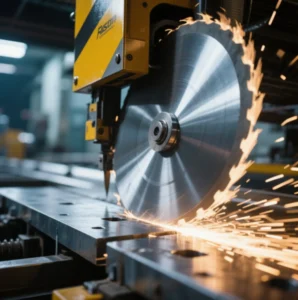
When speed matters, the right cutting method can save hours and increase output. The fastest metal cutting method is plasma cutting. For thin sheets, laser