
What is the burring process in sheet metal?

Most buyers in the sheet metal industry face recurring issues with sharp edges, burrs, and incomplete finishes. These quality gaps often result in safety risks, increased returns, and extra labor costs. Understanding the burring process and working with reliable ISO-certified suppliers like Prime is essential for global buyers who value quality, efficiency, and compliance. Burring […]
How do you cut sheet metal smooth?
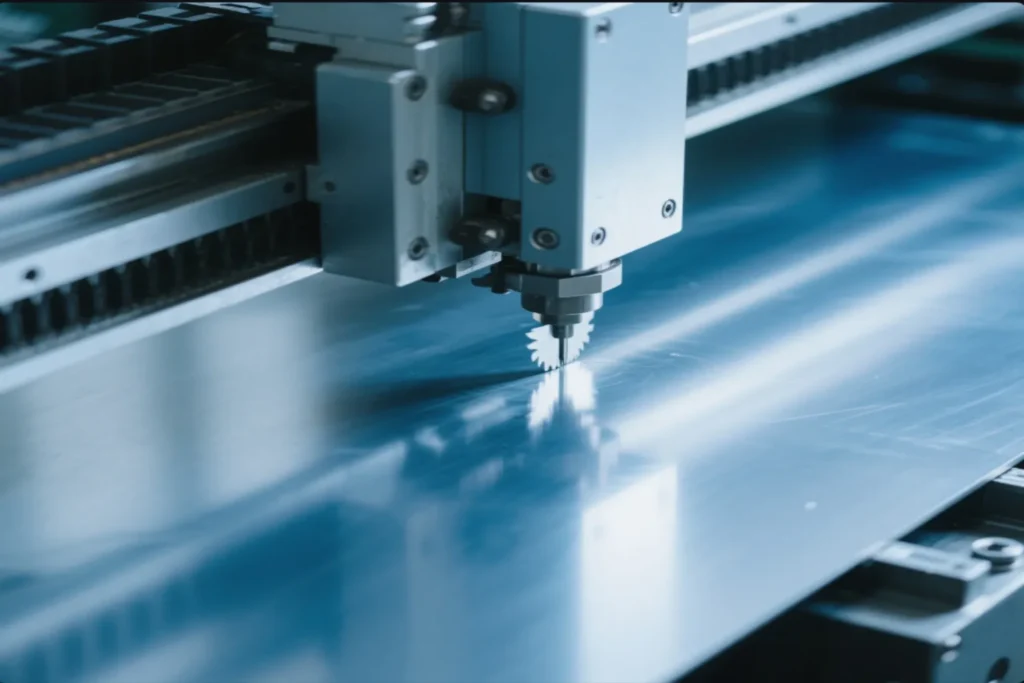
Cutting sheet metal often leaves jagged edges that are unsafe and hard to finish. To cut sheet metal smoothly, use sharp tools like aviation snips, jigsaws with metal blades, or laser cutters. Follow up with edge finishing tools for a clean result. At Prime, we use CNC and laser machines for precision cuts, followed by […]
How do you use a sheet metal deburring tool?
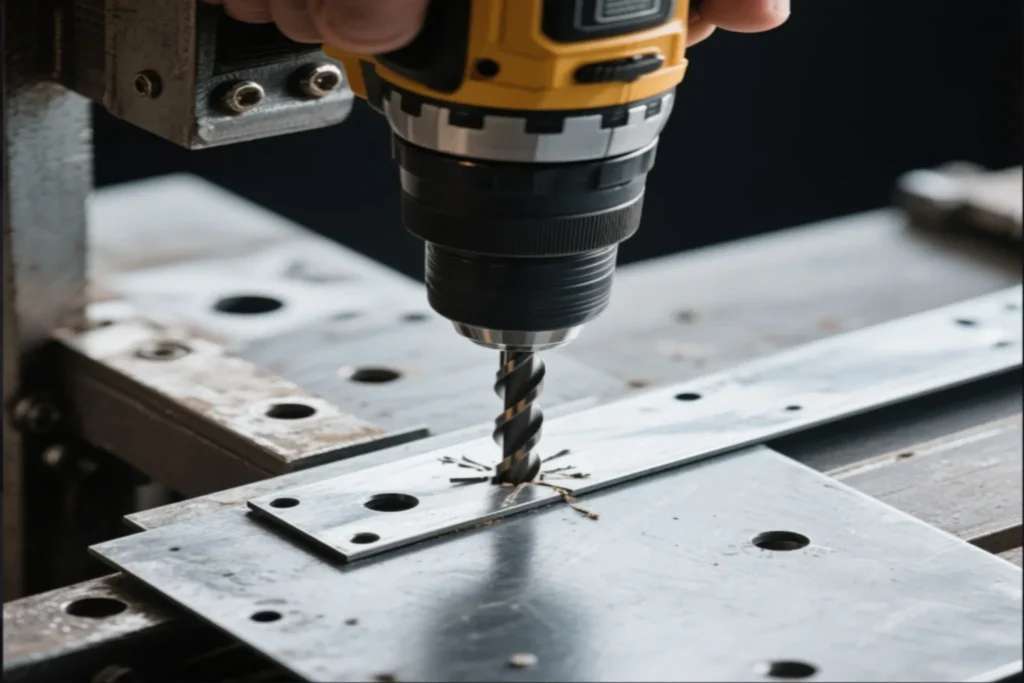
Rough edges on sheet metal are more than cosmetic—they create safety hazards and interfere with assembly. To use a sheet metal deburring tool, glide the blade along the edge or inside holes at a 45° angle to remove burrs. Apply light, steady pressure. At Prime, we use hand deburring tools for tight curves, holes, and […]
What is the easiest way to cut metal by hand?
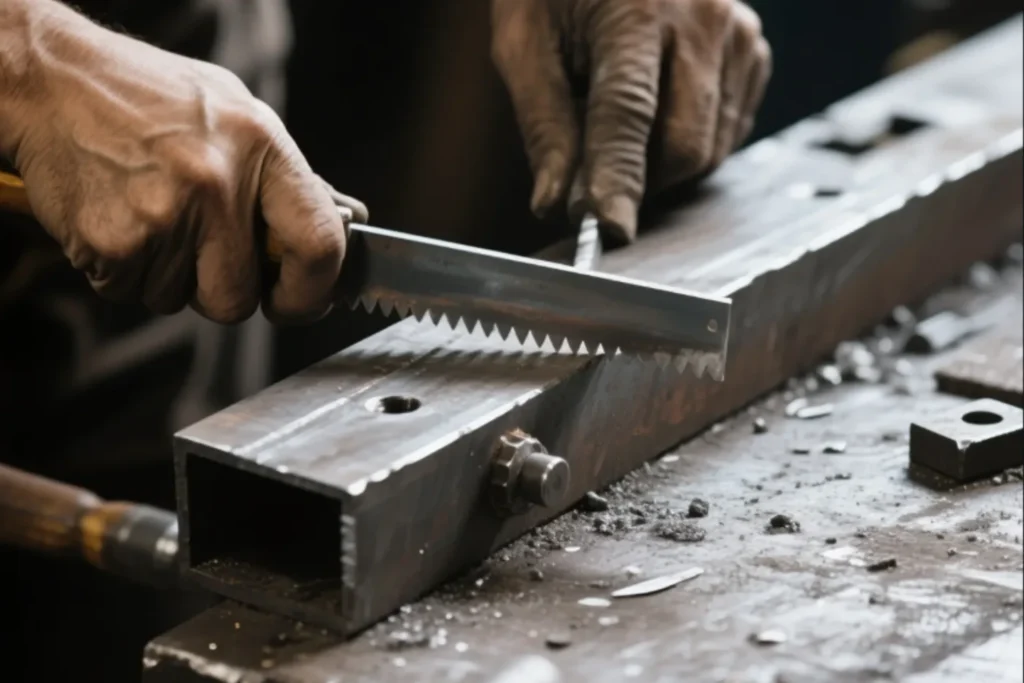
Cutting metal by hand can feel tough—unless you have the right tool for the job. The easiest way to cut metal by hand is with aviation snips, a hacksaw, or a rotary tool, depending on material thickness and shape. At Prime, we advise clients on cutting methods for prototyping, on-site adjustments, or emergency fabrication when […]
What is the best tool for smoothing edges on a piece of metal?

Rough metal edges aren’t just ugly—they can be dangerous or lead to product failure. The best tool for smoothing metal edges depends on your part size and finish need. Common tools include flap wheels, belt grinders, deburring blades, and files. At Prime, we use a mix of hand tools and machines to smooth edges on […]
How do you dull the edge of sheet metal?

Sharp edges on sheet metal aren’t just unsafe—they can ruin your entire assembly. To dull the edge of sheet metal, use sanding, filing, edge rounding, or hemming to soften sharp cuts and create smooth, safe profiles. At Prime, we apply this finishing step on all cut, punched, or bent sheet metal components, especially for parts […]
How long should a hem on sheet metal be?
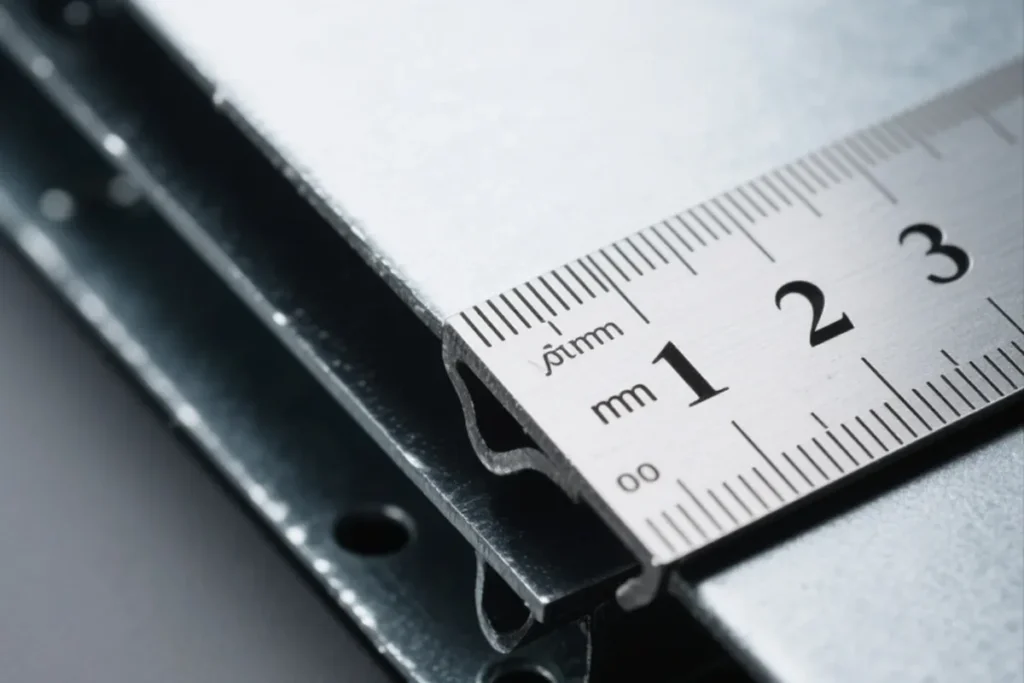
Too short a hem can lead to tearing, weak edges, or rejected parts. The hem on sheet metal should be at least 4× the material thickness. This ensures safe bending, proper closure, and structural strength. At Prime, we follow this rule across all ISO-certified sheet metal parts, from enclosures to machine covers, ensuring every hem […]
What is the minimum thickness for sheet metal?

Designing parts too thin can cause cracking, distortion, or tool failure. The minimum thickness for sheet metal is typically 0.5 mm for most applications. Below this, handling and forming become unstable without specialized equipment. At Prime, we work with materials from 0.5 mm up to 6 mm, ensuring each thickness meets strength, tolerance, and forming […]
How far should a hole be from a sheet metal bend?

Placing a hole too close to a bend can crack your part—or break the tool. As a rule of thumb, holes should be placed at least 2× the material thickness away from a bend. This prevents tearing, distortion, and tooling issues. At Prime, we help clients optimize hole placement for clean bends, long tool life, […]
What is the cost of custom sheet metal parts?

Many buyers are unsure how much they should pay for custom sheet metal parts. The cost of custom sheet metal parts depends on material, thickness, process type, quantity, finish, and tolerance level. Understanding these factors helps avoid overpaying or underestimating your project budget. Let’s break it down. How much does it cost to fabricate metal […]