
CNC vs Injection Molding: Best Methods for Plastic Parts

Choosing between CNC machining and injection molding is a key decision in plastic part production. This in-depth guide compares both methods based on cost, lead time, accuracy, and application to help engineers, procurement professionals, and OEMs choose the right strategy for their plastic projects. Introduction Plastic components are used across industries such as automotive, electronics, […]
Welding Inspection & Quality Assurance Explained

Manufacturers often miss welding issues until it’s too late. Quality lapses cause costly delays. You need thorough QA to build trust and reduce risk. Weld inspection should cover every stage—from pre-weld checks to in-process monitoring and final evaluation. Applying MPI, PT, radiography, and digital vision systems ensures defect-free outcomes. Understanding AWS, ISO, and ASME standards […]
How to Detect and Prevent Common Welding Defects?

Welding defects frustrate even experienced teams. Cracks, porosity, or fusion issues increase scrap and delay deliveries. You need fast, accurate ways to detect and prevent them. Welding defects like cracks, porosity, undercuts, and lack of fusion often result from poor technique or process controls. This guide helps you identify, analyze, and prevent these problems with […]
Top Welding Methods & Automation Guide for Industrial Metal Parts

Choosing the right welding method is critical in today’s manufacturing world. Buyers demand quality, speed, and reliability without exploding costs. In this detailed guide, I cover everything from traditional manual processes like spot, MIG, TIG, and stitch welding to modern robotic systems, cost analysis, real-world examples, and everything you need to decide confidently. Spot Welding […]
Fast Turnaround CNC Parts: Quoting, Prototyping & Production
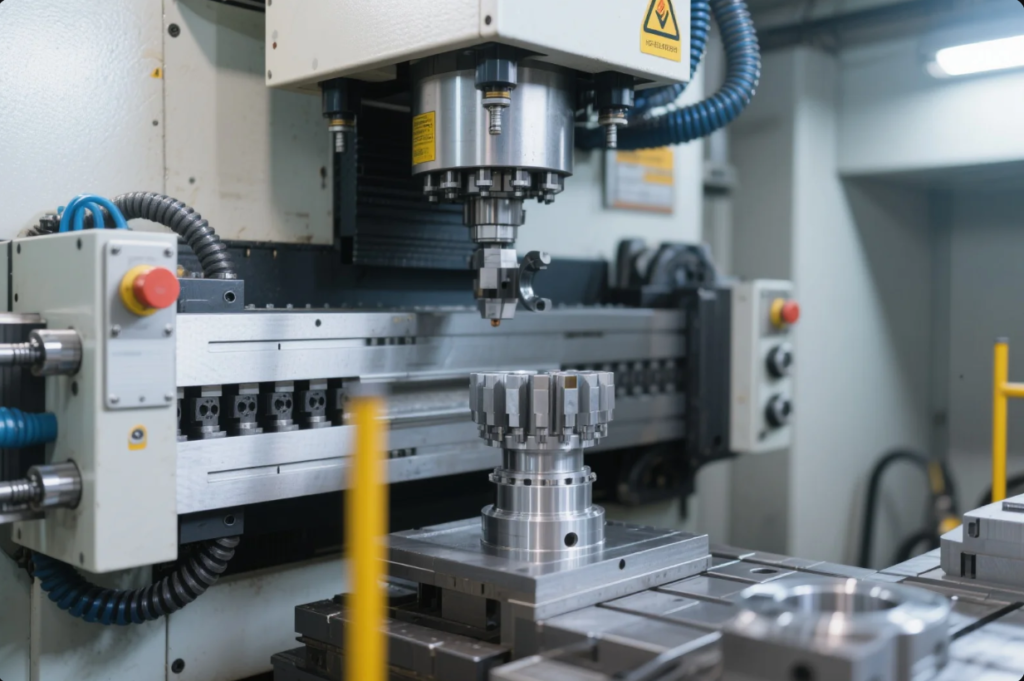
I need CNC parts fast, but suppliers delay quotes and samples. Then my schedule slips, and my costs rise. So I need a faster, safer workflow. Fast turnaround CNC parts come from four linked steps. I start with clean CAD and clear tolerances. Then I run low-MOQ prototyping. Next, I speed setup and approvals. Finally, […]
CNC Workflow Optimization: From Jogging to Run Mode
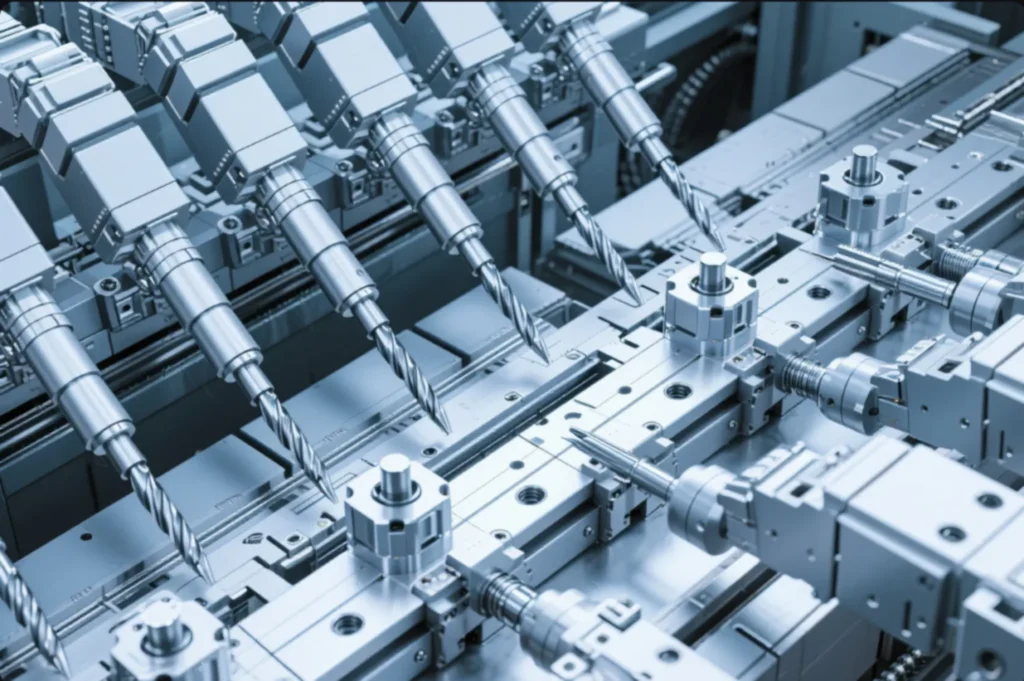
Problem: CNC operators often struggle with switching from manual setup to automated production. Agitate: This leads to crashes, wasted material, and delayed delivery. Solve: This guide explains each CNC mode—Jog, MDI, Auto—and how to optimize your workflow safely and efficiently. Snippet paragraph: ✔️ Learn the difference between Jog and Run modes. ✔️ Follow safety best […]
Multi‑Axis CNC Machining: Benefits for Complex Metal Parts?

Problem: Your parts have curves, angles, and internal features—but your supplier can’t machine them in one go. Agitate: Multiple setups increase cost, time, and alignment errors. Solve: Learn how multi‑axis CNC machining solves these issues and boosts manufacturing precision. Snippet paragraph: ✔️ Multi‑axis CNC reduces setups and improves surface finish. ✔️ 5‑axis machining handles curves, […]
CNC Tolerances Explained: ±0.01mm vs ±0.001mm Accuracy

Problem: You need CNC parts with tight tolerances—but what’s the real difference between ±0.01 mm and ±0.001 mm? Agitate: You worry about part rejection, missed fits, and supplier claims that don’t match results. Solve: This guide explains how tolerance is set, managed, inspected—and how to choose the right level for your application. Snippet paragraph: ✔️ Learn how […]
Centrifugal & High Pressure Casting: Heavy‑Duty Metal Solutions

When it comes to manufacturing dense, high-strength metal components, centrifugal casting and high-pressure casting offer distinct advantages for industrial applications. These two methods are essential for producing parts with superior mechanical properties, dimensional precision, and material integrity—especially in sectors like automotive, aerospace, and heavy machinery. This guide provides a detailed comparison of both casting methods, […]
Understanding Sand Casting for Complex Metal Parts

Sand casting is one of the oldest yet most versatile metal forming processes in modern industry. Known for its simplicity and adaptability, sand casting is widely used to produce complex metal parts for various industries including automotive, aerospace, energy, and heavy equipment. This in-depth guide explores how sand casting works, its benefits for small-to-medium batch […]