
Plastic in Manufacturing: Benefits, Uses, and Impacts
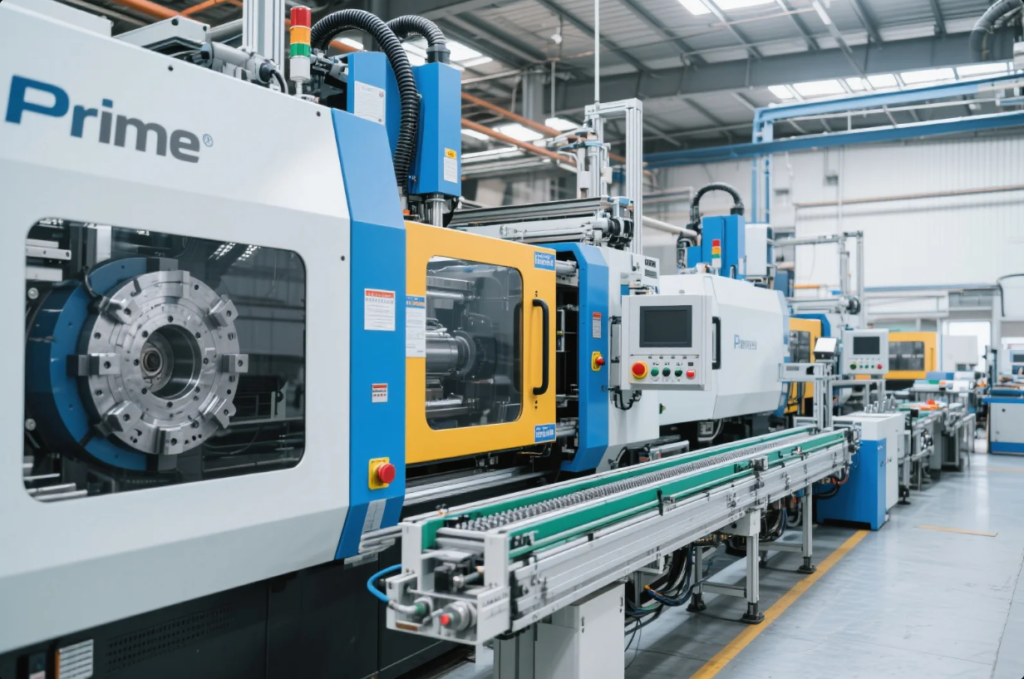
Plastic has become essential in manufacturing—but why do industries rely on it so heavily? Plastic is durable, lightweight, versatile, and cost-effective. It resists corrosion, allows flexible design, and supports mass production. Plastic supports multiple industries. But how exactly does it benefit your production process? Let’s dig into ten key advantages. What Are Three Positives of […]
Injection Molding Tolerances & SPI Surface Finishes

Designing injection-molded plastics requires understanding tolerances and finishes—these define functionality, aesthetics, cost, and manufacturability. Knowing standard vs. precision tolerances, SPI surface grades, cosmetic vs. functional finishes, and inspection protocols helps engineers reduce defects and optimize designs. This guide walks through each topic with best practices. Standard tolerances: ±0.1 mm vs. precision grades What are standard tolerances? […]
CNC vs 3D Printing vs Soft Tooling for Plastic Prototypes

Selecting the right prototyping method impacts speed, cost, and validation for final production. Choosing between CNC machining, 3D printing, and soft tooling depends on desired precision, material properties, and volume. This guide dives into each method, compares their advantages, and explains how to move from prototype to mass production smoothly. CNC Machining for Prototype Plastic […]
Engineering Plastics Guide: ABS vs PC, PA, PPS, PEEK

When industries push limits—higher heat, greater stress, chemical exposure—standard plastics like ABS fall short. Engineering plastics such as PC, PA, PPS, and PAEK deliver superior strength, thermal stability, and chemical resistance. This guide compares major resins, explores EV and automotive applications, outlines best practices, and offers cost-performance advice. Comparing ABS, PC, PA, PEEK, and other […]
Smart Manufacturing for Injection Molding | Prime

In plastic part production, inefficiencies lead to defects, delays, and cost overruns. Smart manufacturing—leveraging IoT, AI, automated tooling, and lights-out operations—brings consistency, speed, and traceability to injection molding. Implementation delivers real-time quality control, optimized processes, and scalable output. Industry 4.0: IoT, OPC-UA, and MES redefine production Manufacturing without connectivity is slow and inefficient. Industry 4.0 uses IoT […]
Injection Molding Tolerances & Surface Finishes Demystified

Introduction Injection molding is the preferred process for high-volume plastic part production — but achieving high-quality outcomes requires tight dimensional control and attention to surface finish. This article demystifies the key tolerancing standards and surface classifications used in the industry. Whether you’re designing parts for automotive, medical, or consumer products, these guidelines will help ensure […]
CNC vs Injection Molding: Best Methods for Plastic Parts

Choosing between CNC machining and injection molding is a key decision in plastic part production. This in-depth guide compares both methods based on cost, lead time, accuracy, and application to help engineers, procurement professionals, and OEMs choose the right strategy for their plastic projects. Introduction Plastic components are used across industries such as automotive, electronics, […]
Top 10 Engineering Plastics: Selection Guide for OEM

Selecting the right engineering plastic is a pivotal step for product designers, engineers, and procurement managers. The material choice directly affects functionality, lifespan, cost, manufacturability, and compliance. This guide dives deep into the top 10 plastics used in industrial-grade parts, exploring their unique traits, performance profiles, application scenarios, and real-world decision-making. Whether you’re designing structural […]
Top Plastic Parts Manufacturers in 2025 (Ranked)

Sourcing plastic parts in 2025? Choosing the right supplier is more critical than ever. Whether for automotive, medical, electronics, or industrial use, selecting the best plastic parts manufacturer affects quality, lead time, cost, and scalability. Knowing who leads the market in precision molding and process innovation helps you make informed decisions. Who Are the Largest […]
Why use plastic instead of metal?
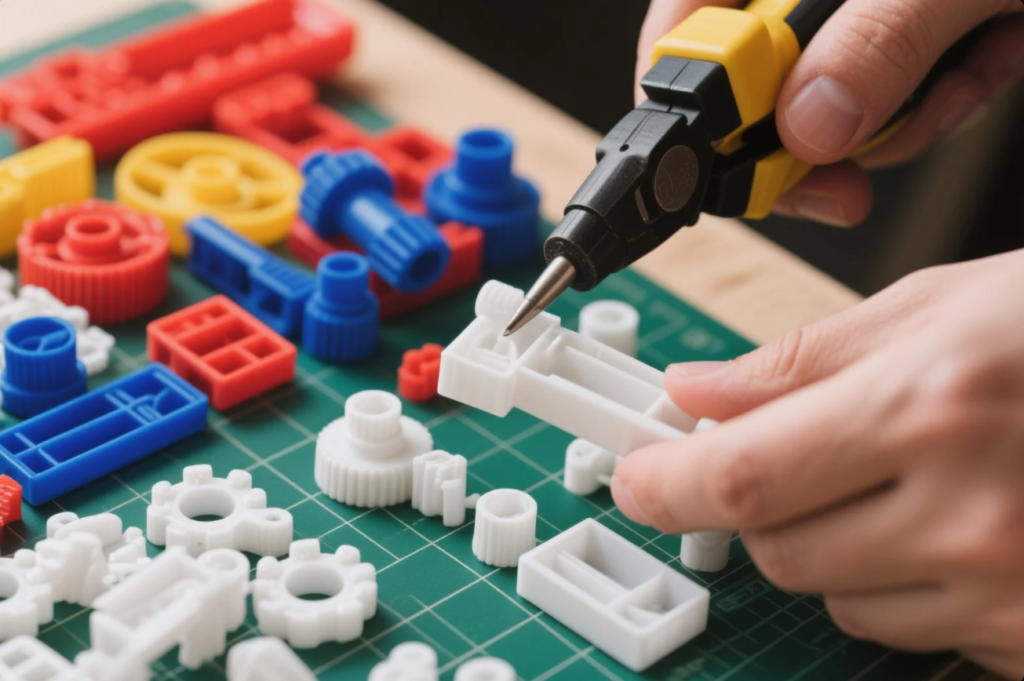
Plastic is transforming modern manufacturing. It offers design freedom, corrosion resistance, and lower cost—all critical in today’s fast-paced industries. Plastic materials are often chosen over metal for components requiring lightweight structure, complex geometry, and electrical insulation. They are easier to process and maintain in harsh environments. In this article, we’ll explore practical reasons why many […]