
QT Forging Specs to Cut Distortion, Warp & Runout
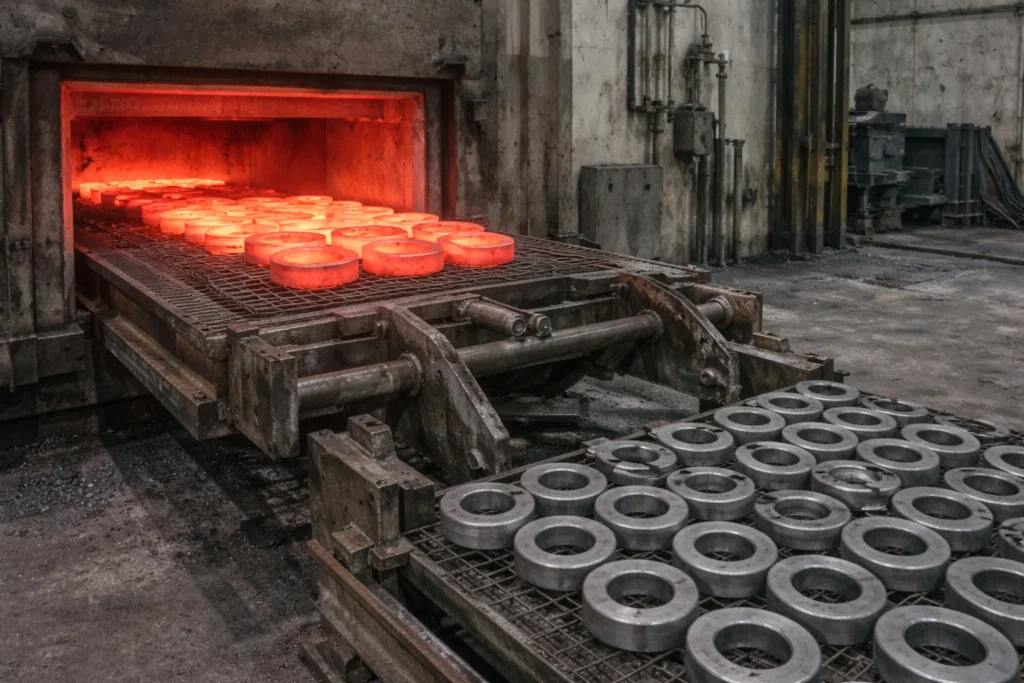
QT looks simple on paper, but it bends real parts. So your line stops, and your team starts sorting. Because the drawing often leaves the process undefined. To reduce QT distortion, I specify a controllable window. I set a hardness range, a core condition, and a distortion limit. I also define test points, quench controls, […]
Machining Forged Parts: Datums & Deformation Control

Forged blanks look cheaper on paper. However, many buyers still lose money after machining. So scrap rises, and schedules slip. I see the same root causes again and again. Datums drift, stock runs out, and heat treat moves the part. So I wrote this guide to cut risk, protect delivery, and lower TCO. Snippet-ready answer: […]
Forged vs Cast vs Machined for High-Strength Parts
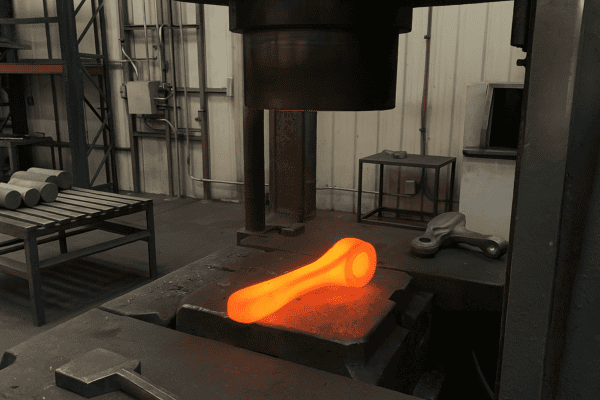
You need high-strength parts, yet every process looks risky and expensive. Wrong choices cause failures, delays and costly warranty claims. Forging squeezes hot metal in dies and aligns grain flow. Casting solidifies liquid metal in a mold and forms complex shapes. Machining from solid cuts bar or plate with CNC and keeps tooling flexible. Each […]
From RFQ to First Shipment: How Can I Control Quality, Lead Time and Risk When Sourcing Custom Forged Parts from China?
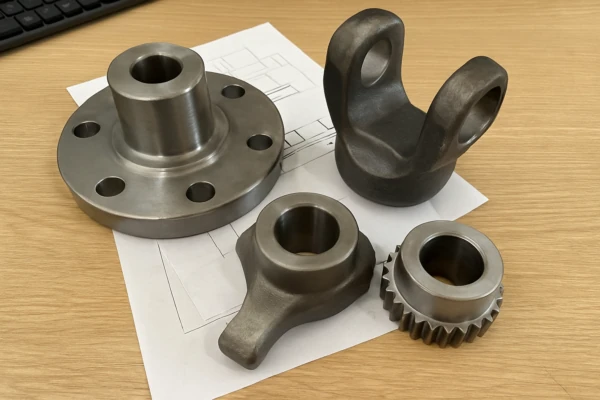
I need custom forged parts1 from China, but quality, lead time, and risk sometimes feel hard to control. When I source custom forged parts1 from China, I control risk with three pillars. I send a complete RFQ, I agree a clear quality plan, and I map a realistic lead time. I also choose an ISO […]
How do custom metal forged components drive performance?
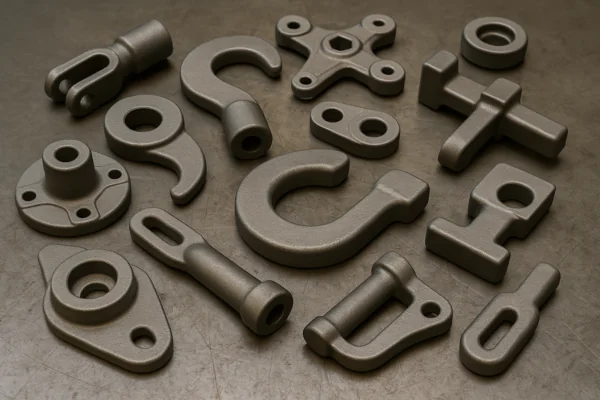
Many industrial buyers still fight forged parts problems every year, so they lose profit and trust. Custom metal forged components1 carry high loads, impacts, and vibration in core systems. The Forging Industry Association explains that designers place forgings at points of shock and stress such as steering, suspension, and driveline parts, because forged grain flow […]
Top Cost Factors of Custom Metal Forging Parts: What Really
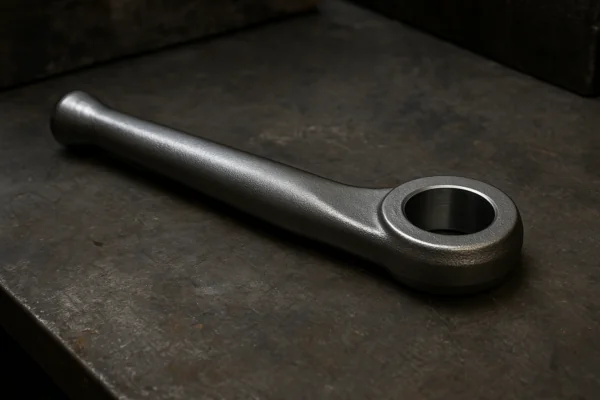
I see buyers chase tonnage quotes and still miss budget. That hurts. Costs hide in yield loss and risk across the line, not in a simple press-hour number. The real price of custom metal forgings comes from yield and risk across material, process, design, and schedule; if I control buy-to-fly, grain flow, tolerances, and cadence, […]
Custom Metal Forgings: What Types Benefit Machinery and Energy Fields Most?

Weak or incorrectly forged metal components often lead to equipment failure1 and expensive downtime. Without clarity on metal forging options2, selecting the right parts becomes challenging, putting your productivity at risk. Custom metal forgings produce robust, durable components tailored for machinery and energy fields. Popular methods include free forging, rolling forging, and precision forging1, each […]
Free vs. Closed-Die Forging: Best Method for Heavy Machinery?

When choosing between free forging1 and closed-die forging2 for heavy machinery, precision, efficiency, and cost play crucial roles. This article will explore the fundamental processes and applications of both methods, their advantages, and cost analysis to help you decide which is best for your needs. Free Forging Fundamentals – Process, suitable part types (shafts, rings). […]
Die Forging Explained for Aerospace & Automotive Parts

Die forging is a manufacturing technique that shapes metal into precise parts using high-pressure equipment1. Imagine you have a metal piece and a mold; a big press applies force to shape the metal exactly as needed. This method ensures strength2 and uniformity, making it essential in aerospace and automotive industries. What Is Die Forging? – […]
Custom Metal Forgings: Design, Finishing & QC Guide

Custom metal forgings have become essential across aerospace, automotive, oil & gas, and heavy industry, especially when off-the-shelf parts fail to meet technical, quality, or cost targets. Choosing the right design, surface treatment, and supplier is crucial. Every year, global buyers face costly setbacks—like assembly failures or premature wear—due to design missteps, poor finishing, or […]