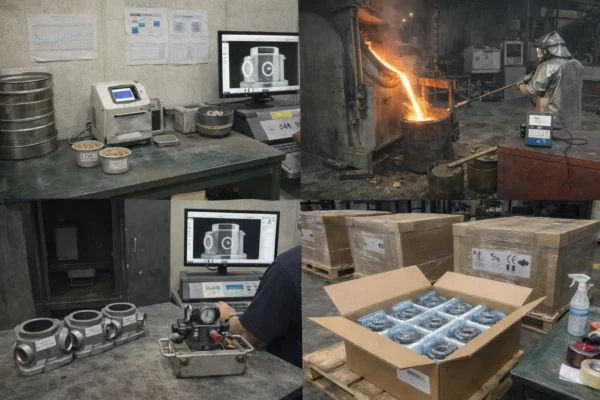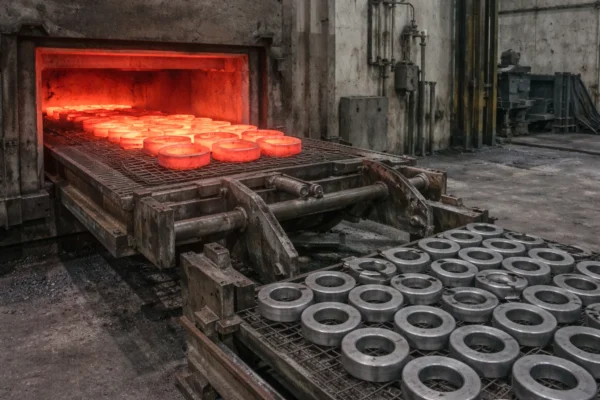
Neglecting the cylinder neck ring is one of the leading causes of gas cylinder accidents and expensive recalls. While many focus on cylinder shells or valves, a weak neck ring makes the valve and cap system highly vulnerable to impacts, corrosion, and leaks—leading to operational risk, downtime, and even regulatory penalties. Leading gas suppliers and safety standards organizations like CGA, ISO, and DOT have detailed requirements for neck ring strength, fit, and cap compatibility. If you want long-term asset safety and full compliance, a robust, certified neck ring system is not optional—it’s essential.
A high-quality cylinder neck ring is a precision-engineered shield for the valve and a critical part of the advanced safety chain. With the right neck ring and compatible cap, you can prevent physical damage, minimize leaks, meet all international shipping and safety standards, and extend the life of your entire gas fleet.
How Neck Rings Protect Cylinder Valves and Prolong Service Life
The most common causes of cylinder failures and leaks are not from the valve itself, but from impact and mechanical stress at the cylinder neck during transport or rough handling. Global logistics data from Maersk and FedEx show a high percentage of gas asset damage is directly linked to valve exposure and insufficient neck protection.
Certified neck rings (EN 1442, ISO 9809) create a mechanical barrier that absorbs and deflects impact, preventing force from being transmitted to the sensitive valve stem and threads. They also provide a stable interface for steel or plastic caps, ensuring that protection is in place even during drops, falls, or stacking.
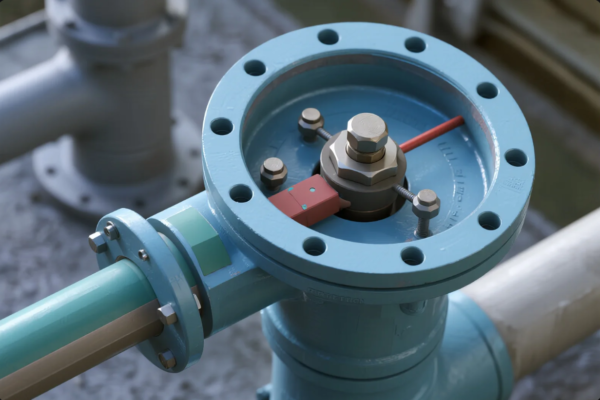
Key benefits of advanced neck ring protection:
- Prevents valve stem or thread distortion during accidental impacts
- Enables use of tamper-evident, lockable, or smart caps (Luxfer)
- Extends service life and reduces maintenance costs by minimizing wear on the valve seat and thread
- Simplifies compliance audits by offering a clear, traceable asset identification platform
Dive Deeper: Why Neck Ring Failures Lead to Costly Recalls
Gas cylinder recalls and field failures often originate from missing or poorly engineered neck rings. Major gas distributors report that nearly 60% of valve-related insurance claims stem from physical damage, not component defects. Reports from Linde, Air Liquide, and BOC confirm this trend.
| Risk Scenario | Robust Neck Ring Solution | No or Weak Neck Ring |
|---|---|---|
| Side impact/drop | Valve protected, no leak | Valve stem or thread damaged |
| Aggressive handling | Cap and ring absorb shock | Valve exposed, high leak risk |
| Repeated stacking | Maintains alignment, reduces wear | Cap threads and seats fail |
Design Considerations for Protective Caps and Anti-Collision Accessories
A neck ring’s value is multiplied when matched to a well-designed cap or anti-collision accessory. High-quality caps must fit the neck ring precisely, offer certified impact resistance, and allow for fast, safe installation and removal. Regulatory bodies such as SGS, TÜV Rheinland, and Bureau Veritas require drop and torque testing for critical safety components.
Prime offers neck rings engineered for seamless compatibility with a wide range of steel and plastic caps. Our design team uses CAD simulation and FEA for load modeling, followed by real-world drop and impact testing. Many clients now request anti-tamper, RFID, or QR features as part of their total protection solution.
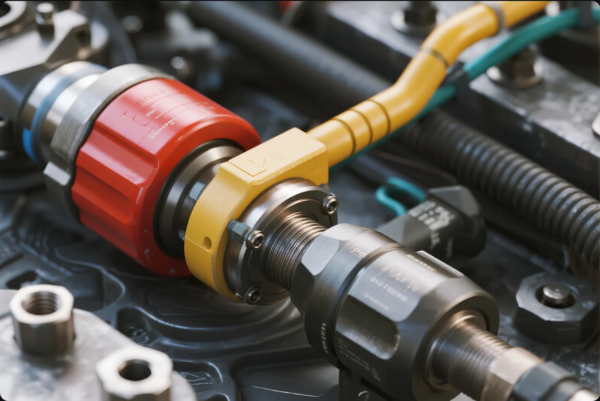
Dive Deeper: Features for Maximum Protection and Compliance
Some gas suppliers require DOT impact certification, while others demand specific asset marking (QR, barcode, RFID) for full traceability. Hybrid accessories—combining steel for impact and plastic for corrosion protection—are increasingly used for critical sectors such as healthcare or oil & gas.
| Cap/Accessory Feature | Benefit | Real-World Example |
|---|---|---|
| Threaded steel cap | Resists heavy drop/impact | Maersk export shipments |
| Plastic snap-on cap | Quick removal, anti-corrosion | Airgas medical cylinders |
| Tamper-evident band | Visible security seal | Hospital, food/medical assets |
| RFID/QR integration | Digital asset tracking, recall | GS1 logistics compliance |
Steel vs Plastic Valve Caps: Pros, Cons, and Application Scenarios
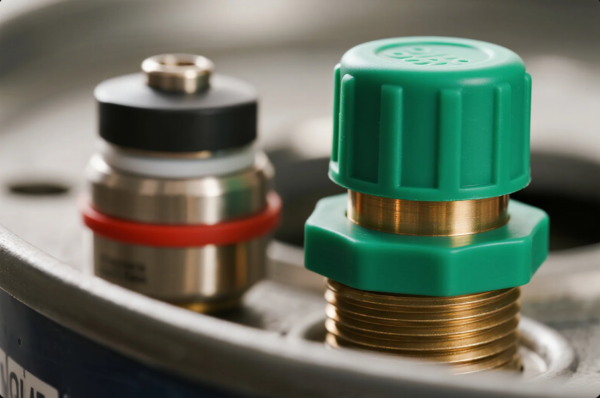
Material selection for valve caps is a balance between protection, weight, cost, and environment. Leading industry players like Worthington Industries, BOC, and Luxfer offer both steel and plastic, depending on market segment.
Steel caps are the global standard for heavy-duty, export, and high-risk environments.
- Plastic caps are preferred in medical, laboratory, and beverage markets for their lightness and corrosion resistance.
- Hybrid or digital caps (with RFID, color-coding, or tamper features) are now common in high-value, IoT-enabled asset fleets (HID Global).
Dive Deeper: Real-World Selection Criteria
Prime helps buyers choose by testing cap/neck ring assemblies per DOT 49 CFR 178.51 and EN 1442. We also provide full test and compliance documentation from SGS or Intertek.
| Material | Best Use | Advantages | Limitation |
|---|---|---|---|
| Steel | Industrial, export, rough transit | High impact, anti-tamper | Heavier, more expensive |
| Plastic | Medical, food, short delivery | Light, no rust, easy to handle | Lower impact strength |
| Hybrid/Digital | Pharma, IoT, asset fleets | Trackable, color customizable | Custom, higher unit cost |
Case Studies: Preventing Cylinder Leaks During Transportation and Handling
Case 1: Reducing Shipping Damage
A global chemical company partnered with Prime to switch all export cylinders to steel neck rings plus threaded steel caps. As a result, cylinder leak rates during sea and rail transit (tracked by Maersk and DB Schenker) fell from 5% to less than 0.3%. This avoided regulatory delays and loss claims in both Europe and the Middle East.
Case 2: Improving Hospital Cylinder Uptime
A large hospital group in France upgraded to stainless neck rings with color-coded plastic caps from Prime. Maintenance data showed a 50% drop in valve-related complaints. Safety inspectors from Linde Healthcare also noted faster asset identification thanks to QR and batch marks.
Case 3: Full Traceability in Industrial Gases
A major North American supplier adopted RFID and QR-coded neck rings with tamper-evident caps for all rental cylinders. Using GS1 and ThingWorx IoT systems, they cut unauthorized refills and loss rates by 30%.
Best Practices: Maintenance and Inspection for Cylinder Neck Rings
Preventive inspection and regular maintenance are essential for neck ring and cap system performance. Neglect can lead to corrosion, thread wear, and failed safety audits.
Prime recommends:
- Regular torque and thread inspection, using digital gauges (Mitutoyo)
- Immediate replacement of damaged or worn neck rings, following CGA C-6.1 guidelines
- Surface cleaning and corrosion check, especially after international shipping (PPG Powder Coating Guide)
- Documentation of each inspection in a digital asset management system (IDEX Asset Management)
Inspection Checklist:
- Neck ring: No visible cracks, corrosion, or deformation
- Threads: Clean, undamaged, smoothly engage with cap and valve
- Cap: Snug fit, no wobble, full thread engagement
- Marking: Logo/QR visible and scannable
FAQs: Cylinder Neck Ring Safety
Can Prime supply neck rings for all major thread and cap types?
Yes. We offer neck rings for M25×2, 17E, 3/4″UNF, 25E, and custom or OEM threads. All are tested for fit and impact with leading cap brands (Cylindervalves, Luxfer).
Are your neck rings and caps certified for global export?
Absolutely. All items are made to ISO 9809, EN 1442, and DOT 3AA standards, with test reports from SGS, TÜV, or Intertek.
Can you supply custom branding, color, or smart features?
Yes. We can laser mark, powder coat, QR or RFID-enable any neck ring or cap to match your brand or asset management needs.
How fast can I get samples or urgent bulk orders?
Samples ship in 7–10 days. Large orders within 2–4 weeks, with DHL, FedEx, or Maersk global delivery.
Contact Us
Upgrade your cylinder safety, traceability, and asset control with Prime’s certified neck ring and cap solutions.
- Website: https://primecustomparts.com/
Conclusion
Cylinder neck rings are a vital but often overlooked line of defense in gas cylinder safety. When properly engineered and paired with the right cap or accessory, they can reduce leaks, extend cylinder life, ensure legal compliance, and save you money on insurance, claims, and downtime. Choose Prime for ISO, EN, and DOT-certified neck ring systems—trusted by global leaders and optimized for your unique safety needs.