I need CNC parts fast, but suppliers delay quotes and samples. Then my schedule slips, and my costs rise. So I need a faster, safer workflow.
Fast turnaround CNC parts come from four linked steps. I start with clean CAD and clear tolerances. Then I run low-MOQ prototyping. Next, I speed setup and approvals. Finally, I lock export packaging and shipping.
So I will share the exact process I use at Prime. Also, I will show what to send and what to ask. Then you can move from CAD to delivery with less risk.
How Do I Get a Fast CNC Quote Without Hidden Surprises?
I often see buyers wait days for a quote. However, most delays start with unclear RFQ inputs. So I fix the RFQ package first.
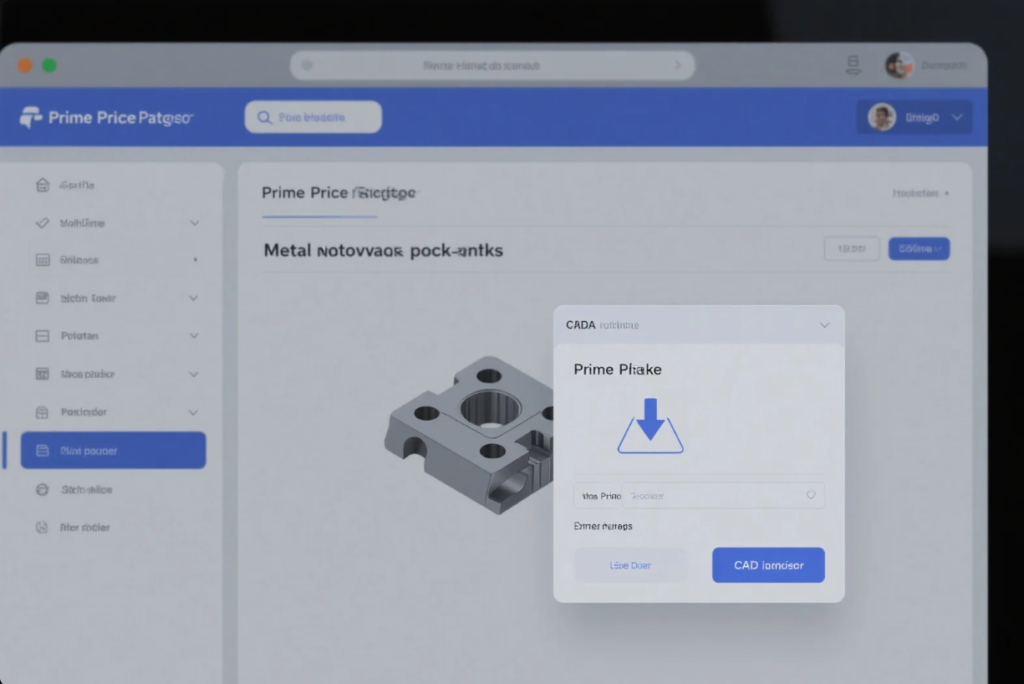
You can speed quoting by sending CAD, a simple drawing, and clear priorities. Also, you can reduce emails by marking only critical tolerances. Then an engineer can quote faster and safer.
What I send to trigger a “fast lane” quote
I send a small bundle that a machinist can act on. Also, I keep the notes short and direct. Then the engineer asks fewer questions.
- STEP or IGES file, and also a PDF drawing
- Material grade, finish, and target quantity
- Critical dimensions, and also mating faces
- Thread specs, chamfers, and edge break rules
- Inspection request, like CMM or FAI report
How I quote fast at Prime, with real engineering review
At Prime, I route RFQs to an engineer first. Then the engineer checks manufacturability and risk. Also, the engineer flags tolerance conflicts before pricing.
Next, I return one clear message with assumptions. Then you can approve quickly or correct details. So you avoid “cheap quotes” that explode later.
Dive deeper: How I cut quote time and keep trust
I treat quote speed as a system, not a promise. So I standardize how I read drawings and CAD. Also, I use a short checklist before I send pricing.
I remove 80% of quote delays with three decisions
First, I confirm the datum strategy from the drawing. Then I confirm surface finish intent on critical faces. Next, I confirm inspection level and documentation needs.
Because buyers often over-spec, I ask one key question. “Which features control assembly and function?” Then I set the tolerance focus there. So cost stays controlled, and lead time stays stable.
I show pricing in a way procurement can compare
I give tiered pricing for 1–10, 11–500, and volume runs. Also, I show lead time options for standard and rush. Then you can choose speed or cost with clear tradeoffs.
| RFQ Item I Need | Why It Matters | What Happens If Missing | What I Suggest |
|---|---|---|---|
| Material grade | Tooling and feeds | Re-quote later | State grade and spec standard. |
| Critical tolerances | Inspection time | Cost jumps or delays | Mark only critical dimensions. |
| Finish callout | Extra operations | Surprise lead time | Specify finish and masking needs. |
| Quantity and schedule | Capacity planning | Missed delivery | Share target date and volume plan. |
| Inspection level | QC workload | Late confusion | Request CMM, FAI, or sampling plan. |
Example story: A fast quote that prevented a bad build
A buyer once sent me a housing CAD with no drawing. However, the part needed two tight bores for bearings. So I asked for the mating face intent and bore tolerance.
Within one hour, we aligned on the bore priority and surface finish. Then we quoted with a clear inspection plan. So the buyer avoided a prototype that would fail assembly.
If you want a fast turnaround CNC machining supplier, start with this RFQ bundle. Also, if you need a custom CNC parts wholesale supplier, tell me your yearly demand range. Then I can plan pricing and lead time together.
How Do I Use Low MOQ Prototyping to Move From One Piece to Mass Production?
I often need one prototype this week. But I also need scale next month. So I choose a supplier who supports both stages.
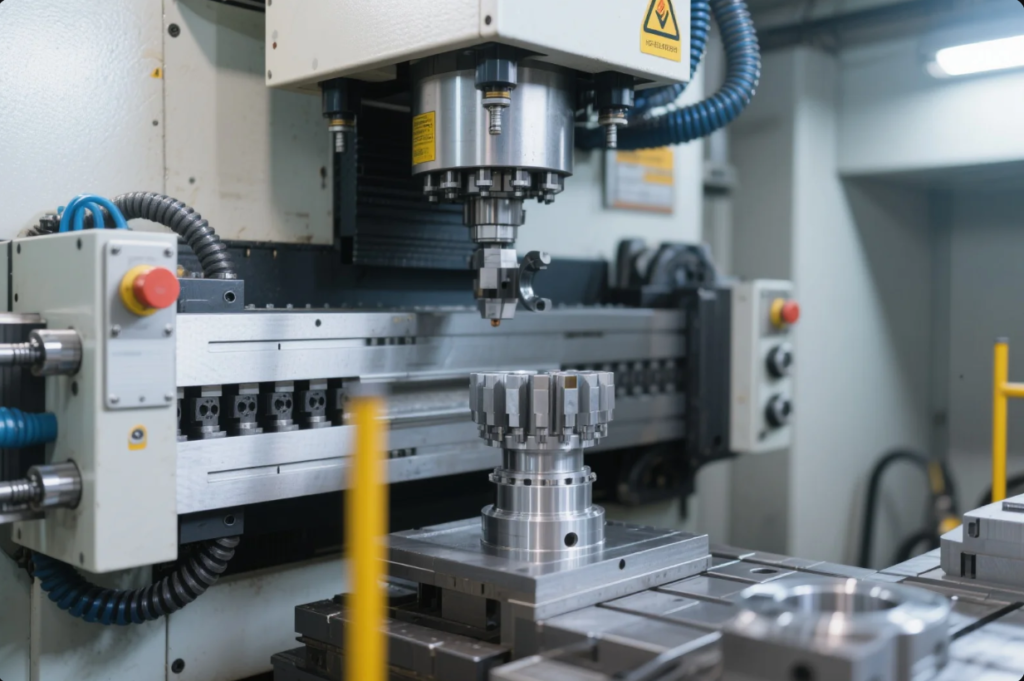
Low MOQ CNC machining works when the supplier controls revisions and setups. Also, it works best when you keep early builds focused. Then you learn fast and ramp smoothly.
My simple prototype plan that saves days
First, I order 1–10 pieces for fit and function. Then I freeze the revision after assembly checks. Next, I run a pilot batch for process stability.
Because “prototype” means learning, I lock only what matters. So I protect critical features and relax cosmetic details early. Then I shorten both machining and inspection time.
What I recommend for fast prototypes
I choose standard materials when possible. Also, I avoid complex finishes until the design stabilizes. Then the shop can cut faster and ship sooner.
- Use common aluminum and steel stock sizes
- Limit ultra-tight tolerances to mating features
- Keep surface finish calls only on functional faces
- Share assembly notes and reference parts if available
Dive deeper: How I keep low MOQ fast and still production-ready
I use a repeatable “prototype to production” map. So I can move fast without changing suppliers. Also, I can keep documentation clean for audits.
I separate “learning features” from “production features”
Learning features prove fit, motion, or sealing. Production features protect appearance and long-term cost. So I focus prototypes on learning first.
For example, I hold hole patterns and sealing surfaces tight. However, I relax non-mating walls and cosmetic edges. Then I reduce cycle time while keeping test value.
I control revision chaos with one simple rule
I allow only one active revision on the shop floor. Also, I label every bag and report with the revision code. Then nobody cuts the wrong version.
This matters when teams iterate fast. So I ask buyers to send “Rev A, Rev B” files clearly named. Then my engineer confirms the active revision in writing.
I use this volume path for speed and budget control
Here is the path I use for a CNC parts rapid prototyping service request. Also, it works for trade show deadlines and pilot tests.
| Stage | Quantity | Goal | What I Deliver |
|---|---|---|---|
| Concept build | 1–10 pcs | Fit and function | Fast parts, basic report, clear notes. |
| Pilot build | 11–500 pcs | Process stability | Sampling plan, stable setup, photos. |
| Ramp build | 501–10,000 pcs | Cost and consistency | Optimized cycle time, packaging spec, QC records. |
Example story: A one-piece prototype that unlocked a full order
One engineer sent me a single-part bracket for a line upgrade. However, the assembly had zero room for error. So we treated it like a micro project.
We ran a fast DFM review and suggested one radius change. Then we cut one piece and measured the critical list first. So the engineer validated fit in one day and approved a pilot run.
If you need low MOQ CNC machining service, I can start with one part. Also, I can plan the ramp path with you. Then you keep speed now and stability later.
How Do I Speed Setup and Production Without Losing Precision?
Many suppliers promise rush machining. However, setup, CAM, and approvals often cause the real delay. So I focus on those hidden hours.
Fast production comes from repeatable fixtures and clear first-article rules. Also, it needs offline tool prep and stable programs. Then you get speed with controlled precision.
What I ask a supplier before I trust a rush promise
I ask how they reduce changeovers. Also, I ask how they prevent scrap during fast runs. Then I know if they run a real system.
- Do you prep tools offline while machines run?
- Do you use repeatable datums and fixture methods?
- Do you run first-article checks the same day?
- Do you have capacity plans for rush orders?
How Prime runs a controlled fast lane
Prime started in 1993, so I learned to respect process. Also, we hold ISO 9001 international quality certification. So we keep speed inside a stable workflow.
We support flexible customization and quick delivery. Also, we run 10 production lines for one-stop metal parts. Then buyers can combine CNC parts with stamping parts and welding parts.
Dive deeper: The exact levers that cut days from machining
I break lead time into four blocks. Then I optimize each block with simple controls. So I keep speed and reduce risk.
Lever 1: Offline tool preparation and preset routines
We stage tools and fixtures before setup. Also, we prepare the next job while machines finish the current job. Then the operator switches faster.
I also standardize tool lists for common materials. So programming stays consistent across similar parts. Then I reduce trial cuts and tool hunting.
Lever 2: CAM templates and simulation that prevent rework
We reuse proven CAM approaches for common shapes. Also, we simulate toolpaths to avoid collisions and missed stock. Then we protect both time and parts.
I ask buyers to share the true functional intent. So we avoid “tight everywhere” drawings. Then we cut only what matters with precision.
Lever 3: Fast first article approval with a critical list
I ask you to define a critical list of features. Then my QC team measures those first. Also, I send results fast with photos and notes.
After your approval, we run the batch with in-process checks. Then final inspection confirms stability, not guesses. So I protect the schedule and the quality record.
| Production Stage | What Slows It Down | What I Do Instead | What You Should Provide |
|---|---|---|---|
| Setup | Custom fixtures every time | Repeatable datum strategy | Mating face intent and key datums |
| Programming | New toolpaths from scratch | CAM templates and reuse | STEP + drawing with revision |
| Approval | Vague first article rules | Critical feature list first | Critical list and acceptance rules |
| Run | Tool wear surprises | Tool life plan and checks | Material spec and finish needs |
If you need CNC parts precision machining China, ask for these levers. Also, if you need an ISO certified CNC parts manufacturer, ask for the inspection gate plan. Then you can trust fast delivery without fear.
How Do I Protect Fast CNC Parts With Export Packaging and Logistics?
Fast parts still fail if they arrive damaged. However, many teams treat packaging as an afterthought. So I design packaging like an engineering step.
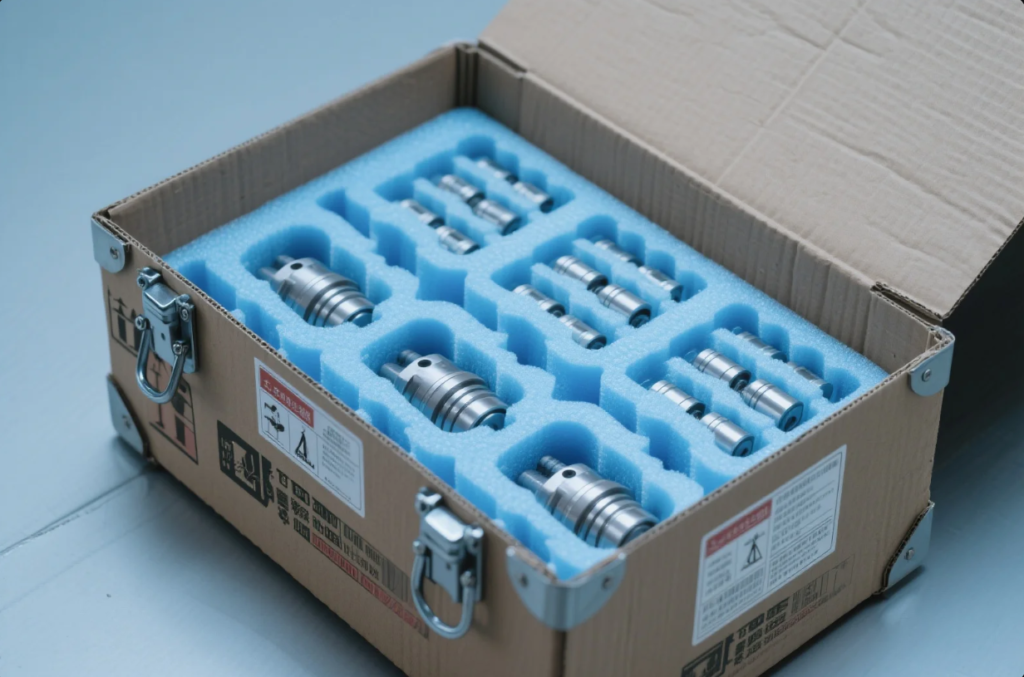
Export-ready packaging protects surfaces, edges, and corrosion risk. Also, clear labels speed receiving and customs checks. Then global delivery stays predictable.

What can go wrong during international shipping
Steel can rust during ocean transit. Also, anodized edges can chip in loose cartons. Then your warehouse rejects parts, and your line stops.
So I match packaging to the failure mode. Also, I match shipping method to urgency and risk. Then you keep both speed and part integrity.
What I standardize for B2B export shipments
I keep packaging consistent across cartons. Also, I keep documents clean and aligned. Then customs and receiving move faster.
- VCI wrap or anti-rust oil for steel parts
- Foam partitions to prevent part contact
- Sealed bags plus desiccant for humidity control
- Double-wall cartons or crates for heavy items
- Barcode labels with part number and revision
Dive deeper: A copy-ready export packaging spec buyers can use
I write packaging specs in simple, measurable lines. So nobody “interprets” the rules later. Also, I ask buyers to approve packaging before the batch ships.
I pick packaging based on material and surface risk
For carbon steel, I use VCI and sealed bags. Then I add desiccant for ocean routes. For polished or coated parts, I use foam cells and trays. Then parts never touch each other.
I make receiving fast with labels and carton maps
I label every inner bag with part number, revision, and quantity. Also, I label each carton with carton count and gross weight. Then your warehouse can scan and store fast.
I also include a carton map in the packing list. So your team can find parts without opening everything. Then you reduce handling damage and counting time.
| Packaging Element | Function | Best For | My Simple Spec Line |
|---|---|---|---|
| VCI paper or oil | Rust prevention | Steel parts | “VCI wrap + sealed bag.” |
| Foam partitions | Shock control | Finished parts | “No part-to-part contact.” |
| Heat-sealed bag | Moisture barrier | Long transit | “Seal + desiccant pack.” |
| Double-wall carton | Crush resistance | Medium weight | “Double-wall + edge guards.” |
| Certified crate | Heavy protection | Heavy parts | “Crate when weight demands.” |
If you need export-ready CNC parts packaging, I can propose a spec in one message. Also, I can align logistics options for air, sea, or express. Then you protect quality while you ship fast worldwide.
What Should I Ask Before I Place a Rush CNC Order?
I have seen rush orders fail for simple reasons. However, the buyer often never asked the key questions. So I use a short checklist.
Ask about quote speed, prototype flow, inspection gates, and packaging proof. Also, confirm who answers engineering questions. Then you reduce surprises and protect your delivery date.
The six questions I recommend to every procurement team
I keep these questions short on purpose. Also, I ask them before payment. Then I avoid “sorry” emails later.
- How fast can you confirm price and lead time from my RFQ bundle?
- Can you support one-piece prototypes and scale to volume runs?
- Will you provide DFM feedback with the quote when risk appears?
- What inspection reports can you provide, and what is the sampling plan?
- How do you pack parts for export, and can you share packing photos?
- Who handles technical issues, and how fast do they reply?
Dive deeper: Simple answers that signal a real partner
A strong supplier answers with process, not slogans. So I listen for clear steps and proof. Also, I watch how they handle tradeoffs.
If a supplier says “no problem” to every tolerance, I worry. However, if they ask about functional intent, I trust them more. So I prefer a partner who can say, “We can do it, and here is the cost.”
I also look for clear communication roles. I want an engineer or technical PM, not only a sales inbox. Then I can solve issues fast and keep my line moving.
| Buyer Concern | What I Want to Hear | What It Proves | What I Do Next |
|---|---|---|---|
| Speed | “Here is our fast lane plan.” | Capacity and system | I align deadlines and shipping. |
| Quality | “Here is our ISO inspection flow.” | Controlled process | I request CMM or FAI options. |
| Cost | “Here are price breaks.” | Transparent pricing | I plan prototype and ramp orders. |
| Packaging | “Here are packing photos.” | Export readiness | I approve spec before shipment. |
At Prime, I support this buyer checklist daily. Also, I answer with clear steps and evidence. Then you can choose us as your custom CNC parts wholesale supplier with confidence.
Conclusion
I cut CNC lead time by speeding RFQs, prototyping, production gates, and export packaging, and I keep quality stable.
If you want parts in days, send your CAD and target date to Prime now. Also, tell me material, quantity, and critical tolerances. Then I will reply with a clear plan and a competitive quote.
At Shandong Prime International Trade Co., Ltd., we founded our business in 1993. Also, we hold ISO international quality certification and run 10 production lines. So you get fast delivery, stable quality, and flexible customization for B2B wholesale orders.
Send an inquiry on our website: https://primecustomparts.com