When sourcing precision metal stamping parts, many buyers feel unsure about materials, tolerances, and quality control.
Precision metal stamping parts are key in many industries. Selecting the right materials, process, and supplier ensures durability, fit, and reliability. This guide explains core definitions, selection strategies, production steps, and quality standards, helping you avoid costly mistakes and delays.
Many sourcing managers struggle with communication, delayed deliveries, or inconsistent quality. However, understanding the entire stamping supply chain helps you avoid those problems. Read on to gain practical knowledge and discover how Prime can support your project with reliable service.
What Are Precision Metal Stamping Parts? Core Definitions and Industry Use Cases
Buyers often get confused by technical terms and part functions. This confusion leads to delays or mismatched components.
Precision metal stamping parts are flat or formed metal pieces produced by pressing sheets of metal into desired shapes. They are widely used in automotive, electronics, machinery, and consumer goods. These parts can range from simple brackets to complex connectors with tight tolerances.

Precision stamping is crucial for products that need accuracy and repeatability. Each part must meet strict requirements, or it could cause system failure. For example, in the automotive industry, stamped brackets and fasteners must handle stress and vibration. In electronics, tiny terminals and shields require exact shapes and conductivity. For machinery, custom stampings help reduce assembly costs and improve product longevity.
| Industry | Typical Stamping Parts | Key Requirements |
|---|---|---|
| Automotive | Brackets, clips, shims | High strength, anti-corrosion |
| Electronics | Terminals, covers, shields | Conductivity, tight tolerances |
| Machinery | Gears, mounting plates | Durability, custom geometry |
| Appliances | Springs, housings, spacers | Precise fit, clean surfaces |
Stamping can deliver millions of identical parts quickly, making it cost-effective for large-scale production. When you need high precision, you should partner with an experienced, ISO-certified supplier like Prime to ensure every part matches your exact needs. To further understand stamping applications, see metal stamping basics, industry insights, and appliance hardware.
How to Select the Best Material for High-Precision Metal Stamping Components?
Many buyers worry about choosing the wrong material, leading to failures or higher costs.
Material selection impacts part performance, cost, and processing. Common choices include stainless steel, carbon steel, copper, and aluminum. Each has unique properties for strength, flexibility, corrosion resistance, and conductivity.

You need to balance function and budget. For high-strength needs, stainless or carbon steel works best. For electrical parts, copper or brass offer better conductivity. Aluminum is good for lightweight applications and resists rust. For details on specific alloys and grades, you can review the metal properties guide or use resources like EngineeringClicks.
| Material | Main Advantages | Typical Applications |
|---|---|---|
| Stainless Steel | Corrosion resistant | Medical, food, automotive |
| Carbon Steel | High strength, low cost | Brackets, structural parts |
| Copper/Brass | Conductive, formable | Terminals, connectors |
| Aluminum | Lightweight, non-rust | Electronics, housings |
Some buyers focus only on price, but that can lead to failures in use. You should also consider surface treatments like plating or painting for extra durability. Prime offers expert advice on material choice, helping you optimize both quality and cost for your custom stamping needs. For more, see corrosion resistance basics and RoHS compliance.
Step-by-Step Metal Stamping Manufacturing Process: From Tooling to Final Inspection
Many customers feel overwhelmed by the stamping process. Unclear production steps cause miscommunication and missed deadlines.
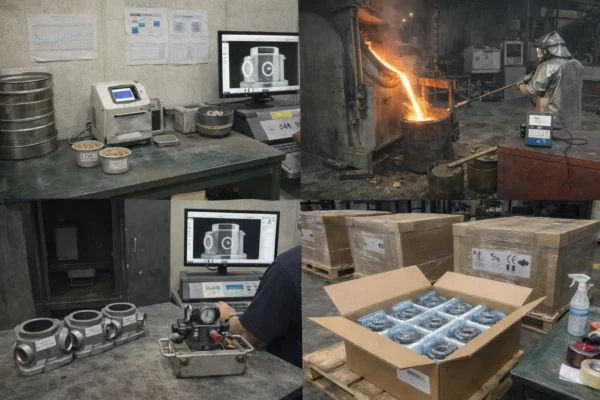
The metal stamping process includes design, tooling, raw material preparation, stamping, finishing, inspection, and packaging. Each stage needs strict control to guarantee consistency. Discover more in-depth explanations at The Fabricator.

Let’s break down the main steps so you can better track your order and communicate with your supplier:
1. Design & Tooling
Engineers design parts based on your specifications. They make custom dies and tools for mass production. High precision in tooling ensures each part matches your design. Learn more about progressive dies and CAD/CAM systems.
2. Material Preparation
The factory selects and cuts the correct metal sheets or coils. Proper selection at this stage affects all later steps. For efficient production, review sheet metal standards.
3. Stamping & Forming
Using high-speed presses, the machines cut, bend, or shape the metal into the final form. Advanced CNC stamping ensures tight tolerances and repeatable quality.

4. Secondary Operations
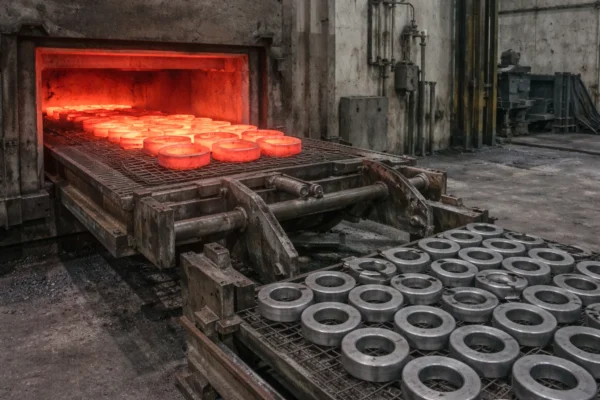
Depending on needs, parts may get deburred, tapped, plated, or heat-treated. This step gives extra strength, corrosion resistance, or special surface finishes. See surface finishing options and heat treating basics.
5. Inspection & Packaging
Quality checks ensure parts meet all standards and drawings. Prime uses ISO-certified procedures and advanced tools. Safe, secure packaging for export protects products in transit.

| Process Step | What Happens | Why It Matters |
|---|---|---|
| Design/Tooling | Custom dies built | Ensures accuracy and efficiency |
| Material Prep | Metal chosen, cut | Matches performance needs |
| Stamping/Forming | Parts shaped/pressed | High speed, tight tolerances |
| Secondary Ops | Deburring, plating | Improves appearance and function |
| Inspection/Packing | Checks, safe shipment | Prevents defects and damage |
Deeper Dive: Digital Manufacturing Integration
With the rise of Industry 4.0, manufacturers now use IoT sensors and cloud data for real-time monitoring. This boosts efficiency and reduces defects. Prime integrates digital QC tools to record every lot, improving traceability. Barcode systems and cloud software keep your orders on track.
| Technology | Benefit | Example |
|---|---|---|
| IoT Sensors | Detects tool wear/failures | Predictive maintenance alerts |
| Cloud Software | Shares production updates | Supplier portal with real-time data |
| CAD/CAM Systems | Faster design change | Immediate tooling adjustments |
| Barcode Systems | Tracks batches and shipments | Quick recalls, traceable shipments |
Top Quality Control Standards for Precision Stamped Parts: ISO, PPAP, and More
Some buyers hesitate to source globally because of quality concerns. However, top factories use strict standards to ensure every shipment meets requirements.
Key quality standards include ISO 9001, IATF 16949, and PPAP. These certifications show the supplier uses robust quality management, consistent processes, and reliable traceability.
Prime’s stamping parts pass international standards. We follow strict incoming material checks, in-process controls, and final inspections.
ISO 9001
This standard means the factory has a quality management system. Every order gets tracked from raw materials to delivery. You can verify ISO-certified suppliers via ISO’s directory.
IATF 16949
Required for automotive parts, this adds extra checks, traceability, and continuous improvement. See more at IATF Global Oversight.
PPAP
The Production Part Approval Process ensures every batch matches approved samples and documentation. Many large clients require this for safety and compliance.
| Certification | What It Proves | Who Needs It |
|---|---|---|
| ISO 9001 | Quality management, traceability | All industries |
| IATF 16949 | Automotive quality control | Car and vehicle makers |
| PPAP | Part approval, documentation | Tier-1, Tier-2 suppliers |
| RoHS/REACH | Environmental compliance | EU and US buyers |
You can learn more about FMEA, dimensional reports, and reading QC results for safe, reliable sourcing.
FAQs About Precision Metal Stamping Parts
Q1: What is the minimum order quantity for custom stamping parts?
A1: It depends on part complexity. For most jobs, Prime supports flexible MOQs to help you start with samples or small batches. Learn more about MOQs in manufacturing.
Q2: How do I select between progressive and single-die stamping?
A2: Progressive dies work best for high-volume, complex shapes. Single dies fit low volume or simple parts. See a full guide here.
Q3: What tolerance can Prime achieve?
A3: We hold tolerances as tight as +/-0.01mm for CNC and stamped parts. More about precision in stamping.

Q4: Can I request special surface finishing or branding?
A4: Yes. We offer plating, painting, and laser logo engraving. See surface finishing options.
Q5: Does Prime provide PPAP, COC, and dimensional reports?
A5: All major orders come with full documentation, including PPAP, COC, and FAI reports. About PPAP and industrial QC.
Q6: What industries does Prime serve?
A6: Automotive, electronics, home appliances, industrial machinery, and more. Industry applications of metal stamping.
Q7: Can I visit your factory in China?
A7: Yes. We welcome customer audits and technical visits by appointment. How to arrange a factory visit in China.
Q8: What shipping methods are available?
A8: Air, sea, express, and multimodal. We provide Incoterms DAP, FOB, CIF. Guide to Incoterms.
Q9: What payment terms does Prime accept?
A9: T/T, L/C, PayPal for samples. Learn more about international payment methods.
Q10: How does Prime handle urgent or repeat orders?
A10: We offer expedited services and keep tooling ready for repeat clients. Supply chain best practices.
Contact Us
Ready to streamline your metal stamping sourcing?
Contact Prime today through our website for a free consultation, fast quote, and tailored solution.
With quick delivery, stable quality, and expert support, we help you succeed in every project.
Website: https://primecustomparts.com/
Conclusion
Choosing the right precision metal stamping supplier means better quality, faster delivery, and lower risks.
Trust Prime for ISO-certified parts, quick support, and end-to-end project management.
Contact us now for professional solutions that drive your business forward.