Failing components in high-heat operations cause costly downtime and safety risks. Imagine a critical grate failing, halting production and jeopardizing your entire process. Choosing the right metal grating1 and grate bars is essential for reliability.
Metal grating and grate bars are vital in settings like waste incinerators, biomass boilers, and cement kilns. They provide a stable, heat-resistant surface for material combustion and processing, which is crucial for operational efficiency, safety, and preventing costly system failures in these demanding, high-temperature environments.

As someone who has been in the metal parts manufacturing business since 1993, I’ve seen these components evolve from simple castings to highly engineered parts. They are the unsung heroes of heavy industry. They do more than just hold things up; they are active components that make massive industrial processes possible. Let’s explore the key industries where these tough metal parts prove their worth, keeping our modern world running.
Why Do Metal Grating and Grate Bars Matter So Much in Industry?
It’s easy to overlook simple parts like grates, but their failure can shut down your entire operation. A broken grate means unplanned maintenance, lost production, and serious safety hazards for your team.
Metal grating and grate bars are critical because they form the operational floor in high-temperature processes. They must support heavy materials, allow for precise air circulation, and withstand extreme heat and corrosion. Their quality, as defined by standards from organizations like ASTM, directly impacts an industry’s productivity, safety, and profitability.

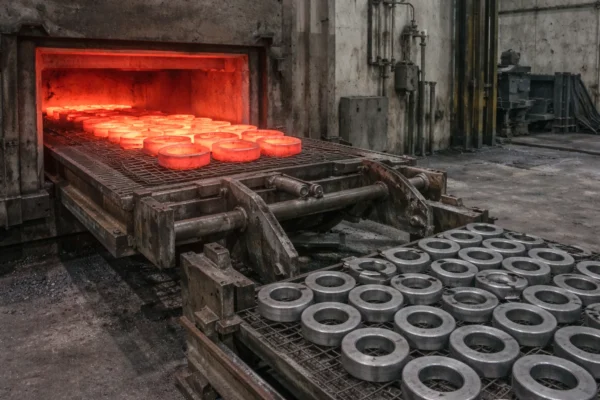
These components are the backbone of high-temperature operations. Their role is twofold. First, they provide structural support. Second, they are a key part of the process itself, with openings designed to control airflow for combustion. I remember a client, a buyer like Kevin I know from the U.S. He tried to save 15% with a cheaper grate. It failed in six months due to thermal fatigue, compounded by corrosive elements in the flue gas. The two-week shutdown cost him ten times his initial savings. This shows that material science is not a place to cut corners. This is why our adherence to a strict quality management system, certified under ISO 9001:2015, is our promise of performance on every part we ship.
The Backbone of High-Temp Operations
Choosing the right material is everything. It’s the difference between a part that lasts five years and one that fails in five months. Here’s a quick breakdown of common materials we work with, specified according to ASTM International standards:
| Material (ASTM Example) | Max Temperature | Key Feature | Common Use |
|---|---|---|---|
| Carbon Steel (A36) | ~500°C / 932°F | Low Cost, Good Strength | General Purpose, Low Temp |
| Stainless Steel (A240 316L) | ~870°C / 1600°F | Excellent Corrosion Resistance1 | Chemical, Food Processing |
| High-Chrome Iron (A532) | ~1100°C / 2012°F | High Heat & Abrasion Resistance2 | Waste Incinerators, Boilers |
| Nickel Alloy (B168 Inconel) | >1100°C / 2012°F | Extreme Heat & Corrosion | Furnaces, Kilns, Power Generation |
How Are They Used In Waste Incineration Systems?
Waste incineration is a brutal environment. The mix of intense heat and corrosive gases, especially from plastics, destroys standard metals quickly. A failed grate system means incomplete combustion, toxic emissions, and costly shutdowns.
In waste incineration, grate bars form a moving floor that transports waste through the furnace. This movement agitates the waste for complete burning while allowing air to flow from below, a critical function for meeting stringent environmental and energy recovery standards.

Inside that furnace, it’s a controlled inferno. Our grate bars form the floor, known as a stoker grate, which moves in a reciprocating or rolling motion. This movement is key to tumbling the trash, exposing new surfaces to fire, and letting ash fall through. According to the Waste-to-Energy Association (WTEA), efficient grate systems are critical for maximizing energy recovery. From a buyer’s perspective, this means the grate parts must not only be durable but also help the facility meet or exceed strict air quality regulations, such as those set by the U.S. Environmental Protection Agency (EPA). We engineer our parts with this in mind.
What is Their Role In Biomass and Coal Boilers?
Burning solid fuels effectively is a challenge. You need consistent airflow and ash removal. Poor combustion leads to wasted fuel, lower energy output, and increased maintenance to clear out blockages like slagging.
In biomass and coal boilers, grate bars create a perforated bed to hold the fuel. This design allows under-fire air to be forced through, ensuring efficient combustion. It also helps remove ash, preventing clinkers and maintaining stable boiler operation.

The goal here is simple: get the most energy out of every piece of fuel. We often manufacture a travelling grate or a chain grate for these boilers. The shift to biomass is a global trend, as outlined by organizations like the International Renewable Energy Agency (IRENA), and it requires specialized hardware. Biomass fuels have different densities and moisture content than coal. This means a buyer can’t just swap fuel; they need a grate system designed for it. That’s where our expertise in custom casting services becomes so valuable. We partner with engineers to create the ideal grate for their specific fuel mix.
How Do They Function In Cement Kiln Feeding Systems?
The clinker cooler at the end of a cement kiln is intensely hot. You need to cool massive amounts of material quickly. If the cooling grate fails, the entire production line stops, and the financial losses are huge.
In cement plants, heat-resistant grate plates are used in the clinker cooler. Red-hot clinker falls from the kiln onto these grates. Cooling air is forced up through the grates, rapidly cooling the clinker while preheating the air for the kiln, a process known as heat recuperation.

The conditions inside a clinker cooler are some of the most extreme I’ve seen. The thermal shock and abrasion are immense. In an industry where energy efficiency is paramount, as noted by sources like the Portland Cement Association (PCA), the performance of the clinker cooler grate is non-negotiable. It’s a key part of the heat recuperation system. I’ve supplied high-temperature alloy parts to some of the world’s biggest cement producers. Their number one demand is always reliability proven by performance data, not just promises.
How Have Modern Grate Bars Improved in Design?
Old grate bar designs were simple but often broke down quickly. Using those outdated designs now means you burn more fuel, create more emissions, and have to do more frequent, costly replacements.
Modern grate bars have improved through advanced metallurgy and computer-aided engineering (CAE). New alloys offer far superior heat and corrosion resistance. Designs now feature better aerodynamics for airflow, stronger mechanical interlocking, and modular construction, which extends service life and simplifies maintenance.

The grate bars we make today are worlds apart from those from 1993. We now use tools like Computational Fluid Dynamics (CFD) to model and optimize airflow through the grate. Another huge step forward is modular design. If one small section wears out, you only have to replace that single module. This is a massive cost and time saver for maintenance teams, a benefit every plant manager I’ve spoken to appreciates.
Engineering for Efficiency and Longevity
The evolution is clear when you compare old and new designs:
| Feature | Old Design | Modern Design | Benefit |
|---|---|---|---|
| Material | Basic Cast Iron | High-Chrome/Nickel Alloys | Longer Life, Handles Higher Temps |
| Airflow | Simple Drilled Holes | Aerodynamic Nozzles | Better Combustion, Less Fuel Used |
| Construction | Large, Single Castings | Interlocking Modular Bars | Easier & Cheaper Maintenance |
| Lifespan | 1-2 Years (Typical) | 3-5+ Years (Typical) | Greatly Reduced Downtime & Total Cost |
Answering Your Top Questions About Grate Bars?
You probably still have questions about choosing the right grate bars. Getting it wrong is a costly mistake that leads to poor performance, premature failure, and shipping delays from an unreliable supplier.
Key questions often focus on material selection, expected lifespan, and customization. The right material depends on your specific operating temperature and corrosive elements. Lifespan is influenced by operating conditions and material quality. Customization is frequently required to improve efficiency.
Over my career, I’ve answered thousands of questions from buyers and engineers. They face the same challenges: inefficient communication, delays, and inconsistent quality. Here are my answers to the most common questions.
What’s the most important factor when choosing a grate bar?
The material is number one. You have to match the alloy to your specific application—temperature, fuel type, chemical environment, and abrasion. A buyer should always ask for the material’s chemical composition and mechanical property reports. Don’t just look at the upfront price; consider the total cost of ownership2.
Can I get custom grate bars made?
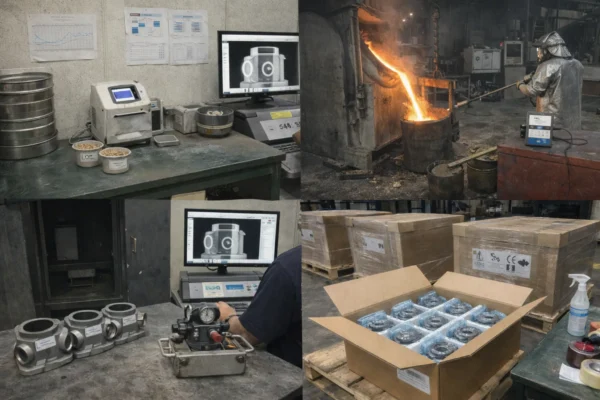
Of course. This is our specialty at Prime. We view these as custom metal fabrication projects. For a new part, our procedure includes a full Production Part Approval Process (PPAP). This means you get a ‘first article’ sample for approval, complete with material certifications and dimensional reports. This eliminates any risk before the full production run begins, giving you complete confidence.
How do I know if a supplier is reliable?
Look for proof. Ask for quality certifications and delivery case studies. For example, we maintain a 99% on-time delivery record1 for our clients in Europe and North America. Most importantly, how do they communicate? A good partner is responsive, clear, and honest, especially about production timelines2. We know a delay can shut you down, and we take that responsibility seriously.
Ready to Eliminate Downtime and Partner with a Reliable Supplier?
Choosing the right metal grating is key for your industrial process. Our team has the factory experience to deliver parts that guarantee safety, efficiency, and uptime. Let’s discuss your specific needs.
→ Upload RFQ / Contact Prime