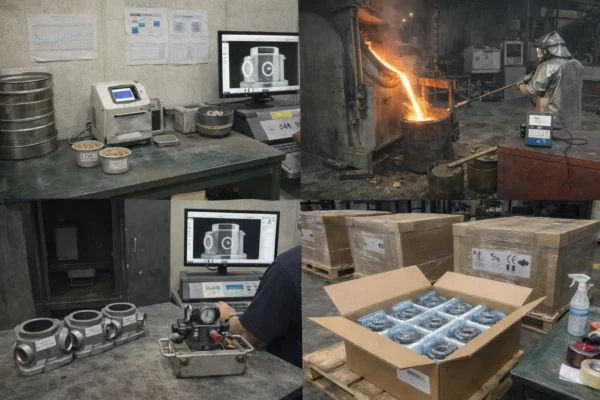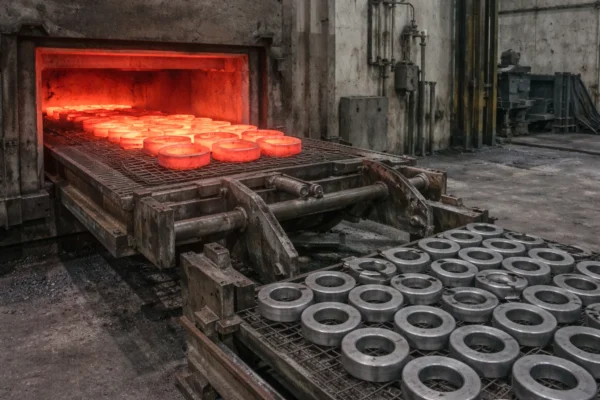

Many metal stamping projects start strong and then quietly lose money. I watch this happen again and again with real orders.
Most metal parts stamping projects fail because teams ignore simple manufacturing rules before they cut tools. They push tight tolerances everywhere, pick unsuitable materials, and skip early talks with a custom metal stamping parts supplier. Experienced engineers review design with process in mind, plan tooling life, and lock clear secondary operations and packing. These habits protect quality, reduce total cost, and keep delivery promises.
I sit between global buyers and our factory floor every day. I manage projects for custom metal stamping parts, CNC machining parts, castings, fasteners, and plastic parts on Prime’s ten lines. So I see what works when real money and delivery dates are on the line, not just in theory.
Do Early Design Decisions Make Or Break Metal Stamping Projects?
Many projects fail before any coil enters the press, because design lives only in CAD. Drawings look perfect on screen but fight physics on the shop floor. Parts crack, stick, or distort, and then everyone blames the toolmaker. I treat design as the biggest profit lever, not just a document.
Good metal stamping design respects material behavior, press limits, and simple forming rules. Public sheet metal guides suggest keeping the inside bend radius at least equal to material thickness to reduce cracking and springback.([Geomiq][1]) Designers also watch grain direction, because bends along grain often need larger radii and more force.([SendCutSend][2]) Engineers who follow these ideas and talk early with a custom stamping parts supplier Custom stamping parts supplier avoid many late surprises.

How I review stamping drawings with customers
I always start with formability, not price. First, I check thickness, material grade, and required surface finish for each part. Then, I imagine every forming step and mark zones that may crack, wrinkle, or distort.
If I see tight bends across grain, deep draws with sharp inner corners, or holes near edges, I raise a flag at once. I ask the customer how the part works in real use, not only in the model. Then we decide which zones really need tight control and which zones can stay free.
We adjust radii, flange lengths, and hole positions while drawings still change easily. This early loop often turns a risky design into a stable, repeatable part without hurting function.
| Design point | Typical risk | My action at Prime |
|---|---|---|
| Bend radius smaller than sheet | Cracks and strong springback | Increase radius, add forming step, or change material grade |
| Hole too close to bend or edge | Tearing and distortion | Move hole, adjust edge, or change forming order |
| Deep draw with sharp inner corners | Wrinkles and splits | Add draw beads, soften corners, change blank size |
| Cluster of tight tolerances | High tool cost and scrap | Relax non critical zones; keep only true fit areas tight |
Why early process choice matters as much as geometry
Design also fails when process choice does not match the shape. Some parts suit simple single hit tools, and some need progressive or transfer dies. Neutral overviews of progressive stamping show how multiple operations, such as punching and bending, combine in one die and feed.([Wikipedia][3])
So I ask three questions for each project. I ask about realistic annual volume, expected program life, and possible design changes. Then, I ask which press sizes and tonnages stand free on your side and ours. For low volume with likely changes, I suggest a simple tool plus limited CNC finishing on critical faces. For stable, high volume work, I move toward progressive or transfer dies.
When we decide both part design and process early, we avoid painful late changes. Your project reaches mass production faster, and your total stamping cost stays under control.
Can Unclear Tolerances And Material Choices Quietly Kill Your Stamping Budget?
I often see drawings where almost every edge and hole carries very tight tolerances. The design team wants safety, but they forget that tight limits raise cost very fast. Manufacturing cost studies show that process cost rises sharply when tolerances move from normal ranges to high precision.([FISIP Universitas Pattimura][4]) At the same time, material notes sometimes stay vague or even conflict across pages.
Clear tolerances and material specs reduce guessing and protect both quality and cost. Engineers mark only fit, sealing, and safety zones as tight and keep other zones wider. They define material grade, coating, hardness, and tests in one clear block. This practice lets a Precision machining of CNC parts and stamping team quote fast and run stable, with less scrap and easier approvals.

How I group tolerances for real function
When I review a drawing, I walk through each tight limit with the customer. We speak about how that feature works in real use, not just in theory. Often, we see that many dimensions only guide assembly and never affect safety or performance.
So we group dimensions into three levels. We keep critical areas strict, control important areas with moderate limits, and relax all others. This simple system matches how cost grows when tolerance bands shrink.
| Group | Typical zone | Approach at Prime |
|---|---|---|
| A – Critical | Fits, sealing faces, safety features | Tight limits, full PPAP pack, detailed reports |
| B – Important | Assembly guides and mating holes | Moderate limits, control with simple SPC charts |
| C – Flexible | Non visible edges and general shapes | Wide limits, sample based checks only |
This framework helps buyers like you defend design choices inside your own company. You can show where money really goes and why some zones stay flexible.
Material selection and its effect on forming and cost
Material choice drives forming risk, corrosion resistance, and total price. Neutral references on sheet metal bending explain that minimum bend radius changes with material type, thickness, and hardness.([Geomiq][1]) I use a simple table to guide this talk.
| Material type | Main strength | Main risk | Typical use at Prime |
|---|---|---|---|
| Mild steel (CR) | Easy forming, lower cost | Lower corrosion resistance | Brackets, general structures |
| High strength steel | Higher load capacity | Harder forming, tool wear | Safety related or structural parts |
| Stainless steel | Strong corrosion resistance | Higher material and tool cost | Outdoor, food, or medical use |
| Aluminum | Low weight | Springback, surface sensitivity | Light covers, electronic housings |
When we align tolerance groups and material choice with real function, we avoid over design. You still protect your brand, and our ISO certified stamping and casting team can run with far fewer surprises.
If your internal team needs neutral background, you can share the overview of metal stamping on Wikipedia for basic process concepts.([Wikipedia][5])
Do Teams Underestimate Tooling Design And Life Cycle Costs In Stamping Projects?
Many buyers push hard on piece price but treat tooling as a one time expense. In reality, tooling shapes most long term cost and risk. Progressive dies can run from thousands to millions of strokes, depending on steel choice, design, and maintenance.([AIAG][6]) When teams ignore this, they often face breakdowns, long stops, and missed shipments.
Smart tooling design matches expected volume, part complexity, and press capacity from day one. Engineers choose tool steel, guiding, coatings, and sensors with clear life targets. They also plan regular cleaning, wear checks, and spare parts. Industry groups such as the Precision Metalforming Association stress that systematic die maintenance strongly reduces downtime and scrap.([quality-one.com][7]) This thinking protects uptime and lowers total cost across the full program life.

How I match tool concept to project reality
I start every tool talk with three questions. I ask how much volume we expect each year, how long the program will run, and how stable the drawing is. Then, I ask which press sizes and tonnages stand free on your side and ours.
For low volume with possible changes, I often suggest a simple or semi progressive tool. We keep tool steel softer in non critical inserts to save early cost, and we accept some later repair. For big volume and stable drawings, I push for hardened steels, better guiding, and more sensors. Open articles on progressive die stamping show how better die design reduces waste and improves speed.([Wikipedia][3])
| Tool aspect | Low initial cost choice | Long term focused choice |
|---|---|---|
| Steel grade | Soft steel, faster machining | Hardened tool steel with heat treatment |
| Guiding | Simple bushings | Precision pillars and bushings |
| Sensors | Few or no sensors | Strip, slug, and part out sensors |
| Spares | Buy only when something breaks | Planned spare kit shipped with tool |
| Die type | Single hit, more handling | Progressive or transfer, less handling |
Cost and risk factors I discuss with buyers
I also share a cost and risk table so you see full impact clearly.
| Factor | Effect on cost | Effect on risk |
|---|---|---|
| Tool material upgrade | Higher build cost | Lower repair frequency |
| Sensor addition | Medium build cost | Early fault detection, less scrap |
| Spare kit purchase | Medium early cost | Shorter downtime during breakdown |
| Extra maintenance plan | Small ongoing cost | Longer tool life, stable mass output |
This style of talk helps you compare quotes that look similar but behave very differently in real life. The cheapest tool may fail your Siemens and stamping parts program later. A long term partner like Prime can design a solution that balances early budget and lifetime stability.
Do Teams Forget Secondary Processes, Packaging, And Logistics When Planning Stamping Projects?
Many RFQs focus only on the stamped drawing and ignore life after the press. However, deburring, cleaning, tapping, plating, and packaging often decide real performance and landed cost. Good factories now treat deburring, cleaning, and protective finishing as core processes, not optional extras.([LEADRP Rapid Prototyping Service][8]) When teams skip this planning, parts may fail in assembly or reach customers damaged.
Complete stamping projects include clear plans for burr removal, threads, surface finish, and export packing. Engineers define burr limits, thread standards, surface grade, and packing tests before mass production. A one stop facility like Prime then builds a linked process that covers stamping, CNC machining, finishing, and packing. This reduces handling, protects quality, and makes cost transparent.

How I map the full process from coil to carton
When I receive a new project, I first draw a simple process map. I start from coil feeding and list each step until pallets leave the dock. Then, I ask where we risk burrs, dirt, corrosion, or transit damage.
| Step order | Process step | Main goal |
|---|---|---|
| 1 | Stamping | Create basic shape and holes |
| 2 | In die or offline deburring | Remove sharp edges quickly |
| 3 | Tapping / drilling | Add threads or extra holes |
| 4 | Cleaning | Remove oil, chips, and residues |
| 5 | Plating / coating | Protect against rust and improve look |
| 6 | Final inspection | Confirm dimensions and surface |
| 7 | Packing | Protect parts for long transport |
Technical notes on metal stamping explain how edge finish affects safety and assembly, especially in automated lines.([Wikipedia][5]) This matches what I see on real projects, so we integrate deburring tightly into our flow.

Export packing and logistics planning that protect your season
For global buyers like Kevin, packaging and logistics can decide if a season wins or fails. So I always ask about transit time, climate, re packing, and final customer rules. Then I design export packing for stamping parts, industrial fasteners and screws, and related goods.
| Packing element | Prime practice | Benefit for you |
|---|---|---|
| Inner packing | PE bag or tray with fixed part count | Limits scratches and mixing |
| Outer carton | Strong carton with corner protection | Reduces crush and drop damage |
| Pallet | Fumigated wooden or plastic pallet | Meets export rules and improves handling |
| Labeling | Clear labels with part, batch, barcode | Speeds warehouse and traceability |
| Tests | Drop and vibration checks on sample loads | Confirms strength for your route |
We also agree clear photos and packing reports before the first shipment. This gives you proof for your own customer meetings and avoids last minute uncertainty.
Do Weak Communication And Project Control Derail Otherwise Good Stamping Projects?
Even strong designs and robust tools can fail if communication breaks down. I often hear buyers complain about slow replies, unclear status, and sudden delays from some suppliers. These issues damage trust and make it hard for them to plan production and inventory. I treat communication as a technical process, just like stamping or CNC.
Stable stamping projects need clear owners, simple routines, and honest updates. Teams agree on contact persons, update rhythm, and report formats before work starts. Suppliers send photos, trial videos, and measurement reports in simple language. This lets buyers react early, avoid surprises, and keep their own customers calm.
How I run project communication with global buyers
At Prime, I assign one project owner for each key stamping or plastic parts program. That person tracks drawings, tool build, trials, and shipping dates in one shared plan. We send weekly updates during tool build and PPAP and then adjust rhythm once mass production stabilizes.
| Communication item | Content | Typical timing |
|---|---|---|
| Kick off call | Scope, milestones, roles | Before tool design starts |
| Weekly update | Progress, photos, risks, next steps | During tool build and first launch |
| Trial report | Measured data, issues, action list | After each tool trial |
| Packing report | Photos of boxes, pallets, labels | Before first mass shipment |
| Quarterly review | Quality, delivery, cost improvement | During stable mass production |
For automotive style projects, we also support PPAP. The Production Part Approval Process, described by AIAG as an industry standard approval method, helps prove that mass production parts meet design records and process capability.([AIAG][9]) I use this structure when buyers need documented evidence for their own OEM customers.
Which FAQs Do Buyers Ask About Metal Stamping Projects And How Do I Answer Them?
Many buyers share the same questions but often ask them too late. By that time, drawings are frozen, tools are ordered, and options are fewer. I prefer to answer these questions early so you gain a clear picture of risk, cost, and timing. This section also covers long tail topics that many engineers search online.
Common questions cover supplier choice, main cost drivers, quality control, and when to combine stamping with CNC or other methods. Clear answers help buyers filter suppliers, avoid hidden costs, and set realistic timelines. A partner with one stop stamping, CNC, casting, and fastener supply can simplify your vendor list. That saves time and improves control across many projects.

FAQ 1: How do I choose a custom metal stamping parts supplier in China?
I suggest you look beyond unit price. You should check certification, process range, export depth, and communication style. The ISO 9001 standard describes requirements for a quality management system that aims to meet and exceed customer expectations.([International Organization for Standardization][10]) You can use these ideas when you audit suppliers.
| Check point | What you should look for |
|---|---|
| Certification | ISO 9001 based system and clear procedures |
| Process range | Stamping, CNC, welding, casting, fasteners |
| Export experience | Long record with North America and Europe |
| Engineering support | Ability to improve design, not only quote |
| Capacity and lead time | Real data on lines and past performance |
A custom metal stamping China supplier with in house tooling and diverse processes often solves problems faster. Prime fits this profile, with ten production lines and decades in B2B export.
FAQ 2: What drives metal stamping part cost the most?
Buyers often focus on material and labor, but other factors change cost more. Tool complexity, tolerance tightness, scrap, secondary operations, and packing all shape price. Cost notes on precision manufacturing show that moving from normal to high precision quickly raises process cost.([FISIP Universitas Pattimura][4])
| Cost factor | Effect on price | How I help manage it |
|---|---|---|
| Tool complexity | Higher build cost and maintenance | Simplify design and process steps |
| Scrap rate | More wasted material | Improve layout and forming |
| Secondary operations | Added labor and handling | Combine steps or automate where possible |
| Packing level | More protection cost | Balance risk and cost with tests |
| Volume and forecast | Better scaling at higher volume | Plan capacity and long term pricing |
When we speak openly about these levers, we can often reduce cost without hurting quality. We change design, process, and packing together instead of only arguing about unit price.
FAQ 3: How do I control quality from overseas with a stamping supplier?
Distance does not need to mean high risk if we build the right system. I recommend that you define inspection plans, sample sizes, and report formats before mass production. Many good stamping firms include deburring, cleaning, and final inspection inside their standard flow.([Wikipedia][5])

At Prime, we share CMM reports, material certificates, and surface checks for each lot when needed. For new metal stamping projects, we also support PPAP style approval, even outside automotive. This gives you documents, photos, and traceability that match your own audit needs. If you want to start small, you can begin with one pilot part from our stamping parts range and then expand.
FAQ 4: When should I choose stamping plus CNC machining instead of stamping alone?
Some parts need high throughput and also need very tight local features. In these cases, I often suggest stamping for the base shape plus CNC for a few zones. This route works well where hole locations, flatness, or surface finish must exceed what stamping alone can hold.
For example, we stamp a complex bracket and then machine one mounting face and a few key holes. So we keep stamping speed and still hit tight tolerances where needed. This combined route often beats full CNC machining on cost and beats stamping alone on precision. You can explore options directly on our CNC parts page and then discuss details with our engineers.
About rime
Prime builds its system on international standards. We run a quality management system aligned with ISO 9001:2015, the world’s best known quality management standard.([International Organization for Standardization][10]) It defines requirements for planning, operation, and continual improvement of processes that affect product quality and customer satisfaction.
For automotive style work, we also follow the AIAG quality core tools, including APQP, control plans, FMEA, MSA, and PPAP. Neutral resources on PPAP explain that the process uses 18 elements to prove that a production process can repeatedly meet design and specification requirements.([AIAG][6]) In practice, this means we do not only ship parts; we also deliver full documentation when needed.
Conclusion
Partner with Prime for ISO backed stamping, CNC, and fastener supply, and upload your project for review now: Upload RFQ / Contact Prime.